Record-breaking heat is creating significant challenges for transportation systems across Utah, affecting highways, railroad tracks, and air travel. As a strong ridge of high pressure builds across the state, temperatures have reached 109 degrees in Salt Lake City, according to the National Weather Service.
Record Temperatures and Drought
Salt Lake City recently set a new all-time high temperature record, reaching 109 degrees at 2:58 p.m. on a Sunday, according to the National Weather Service. This follows an earlier period of triple-digit heat where Salt Lake City reached 101 degrees, a development that arrived ahead of the typical July 6 average for the first triple-digit day of the year.
The intense heat and low humidity have created dangerous conditions in northern Utah. In Ogden, firefighters noted that the combination of rising temperatures and persistent drought has turned the area into a tinderbox.
Wildfire Activity and Closures
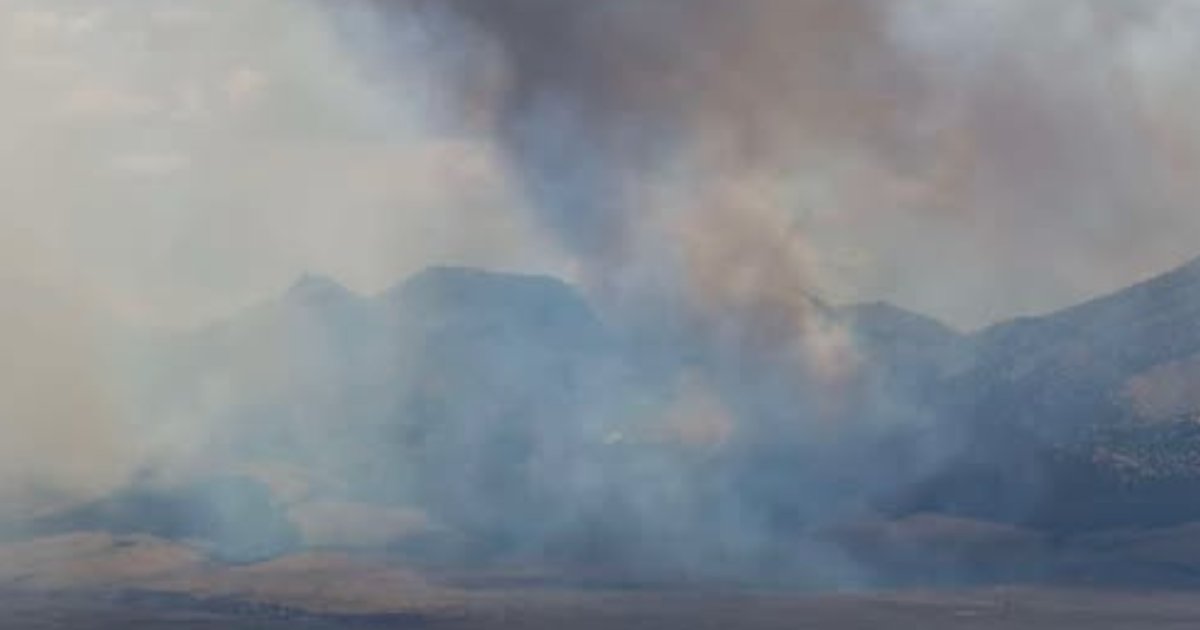
The extreme weather has coincided with significant wildfire activity near the Tooele and Juab County line. On June 26, 2026, large flames were visible from Highway 6, prompting authorities to close the highway.
According to Utah Fire Info, several specific fires were engaged by suppression crews during that period, including the Iron Fire near Eureka on Highway 6, the Hwy 36 Fire near Tintic Junction, the Maple Peak Fire west of the US-6 rest area, and the Cherry Fire in the Weiss and Cherry Creek Area. Officials issued warnings to avoid these areas to give firefighters room to work.
Infrastructure and Safety Risks
The combination of heat and dry conditions has also increased the risk of flash flooding in southern and central Utah, as moisture moving up from the south produced scattered thunderstorms.
Extreme temperatures have historically impacted infrastructure safety. In a June 2024 incident, a single-vehicle crash on I-80 at the Bangerter Highway interchange resulted in a fatality after a vehicle struck a bridge support column and burst into flames.
Ongoing Weather Trends
As the heatwave continues to impact the Wasatch Front, weather patterns have shown a trend of temperatures climbing into the 90s with winds shifting to come from the south. Transportation officials continue to monitor the impacts of these extreme conditions on state highways and rail networks.