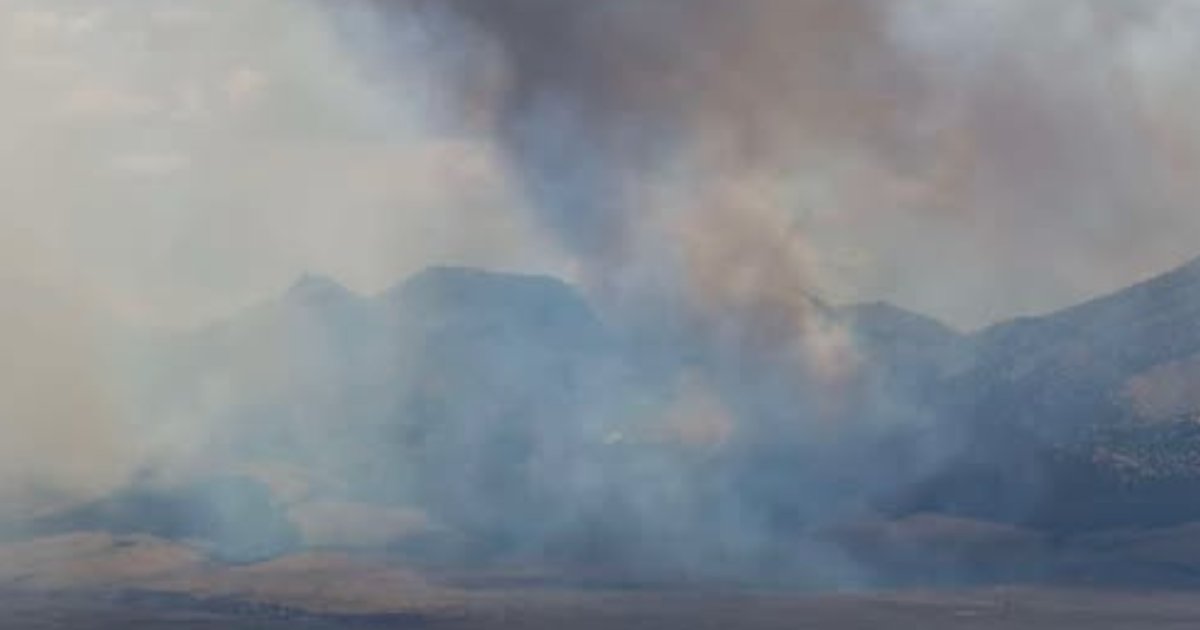
Utah municipalities are intensifying flood and mudslide preparations as monsoon moisture moves through the state, following a period of intense wildfire activity that has left multiple burn scars vulnerable to heavy rainfall. Local leaders in Provo, Beaver, and Eureka are implementing infrastructure projects and emergency measures to protect residents from debris flows and potential flooding.
Provo Implements Debris Mitigation
In Provo, city officials announced that a debris channel has been completed to provide better protection for neighborhoods situated near the Buckley Draw burn scar. This infrastructure development comes as monsoon storms are expected to move into Utah this weekend, with leaders claiming the city is now better prepared to safeguard residents from potential mudslides.
The necessity for such measures was underscored by events occurring nine months ago, when a microburst of rain caused water to flow through the Buckley Draw burn scar. That period of heavy rainfall led to significant flooding that forced the closure of Slate Canyon Drive and Nevada Avenue, according to reports from the City of Provo. Furthermore, debris cleanup efforts following consecutive mudslides triggered by the Buckley Draw Fire burn scar previously required the closure of a one-mile section of the Bonneville Shoreline Trail.
Cottonwood Fire Burn Scar Risks
In Beaver, emergency crews and city officials have been managing the aftermath of the Cottonwood Fire burn scar. Approximately four days ago, fire crews were taking new precautions to ensure safety from both the fire itself and the threat of floods and mudslides following forecasts for heavy rain.
As recently as three days ago, Beaver City leaders addressed resident concerns regarding water and power stability after recent storms picked up debris and soot along the Cottonwood Fire burn scar. The city had previously entered a period of active preparation for potential flooding and mudslides should heavy rains fall on the affected area.
Ongoing Wildfire and Lightning Threats
The risk of wildfire and subsequent environmental damage remains a persistent issue across the state. Three weeks ago, officials reported that the lightning-caused Buck Basin Fire in the Uinta-Wasatch-Cache National Forest had grown to approximately 30 acres near the Currant Creek Reservoir.
This fire was part of a broader period of intense activity; for example, about three weeks ago, fire crews responded to two simultaneous wildfires in Juab County, one of which forced the closure of State Route 36 west of Eureka. This follows a period around Memorial Day weekend when state fire officials reported that five separate wildfires ignited across Utah.
Community Preparedness and Restoration
Community-led mitigation efforts are also visible in Eureka, where residents have been active in preparing for the annual monsoon season. About one week ago, it was noted that the Eureka community has been making sandbags to stave off the effects of the seasonal cycle, which often brings a pattern of wildfires followed by heavy flooding.
Beyond the immediate threat of floods, long-term restoration remains a challenge for larger burn areas. The Forest Service reported approximately six months ago that the restoration project for the 15,000-acre Pine Valley burn scar is expected to take several years to complete.
Persistent Fire Danger
The state's weather patterns continue to fluctuate between extreme heat and high fire danger. As of mid-July, fire danger remains extreme in most of eastern Utah, including the southeast corner of the state. Officials have warned that even as temperatures occasionally return to normal, the combination of dry conditions, strong winds, and lightning continues to keep the risk of new ignitions high.