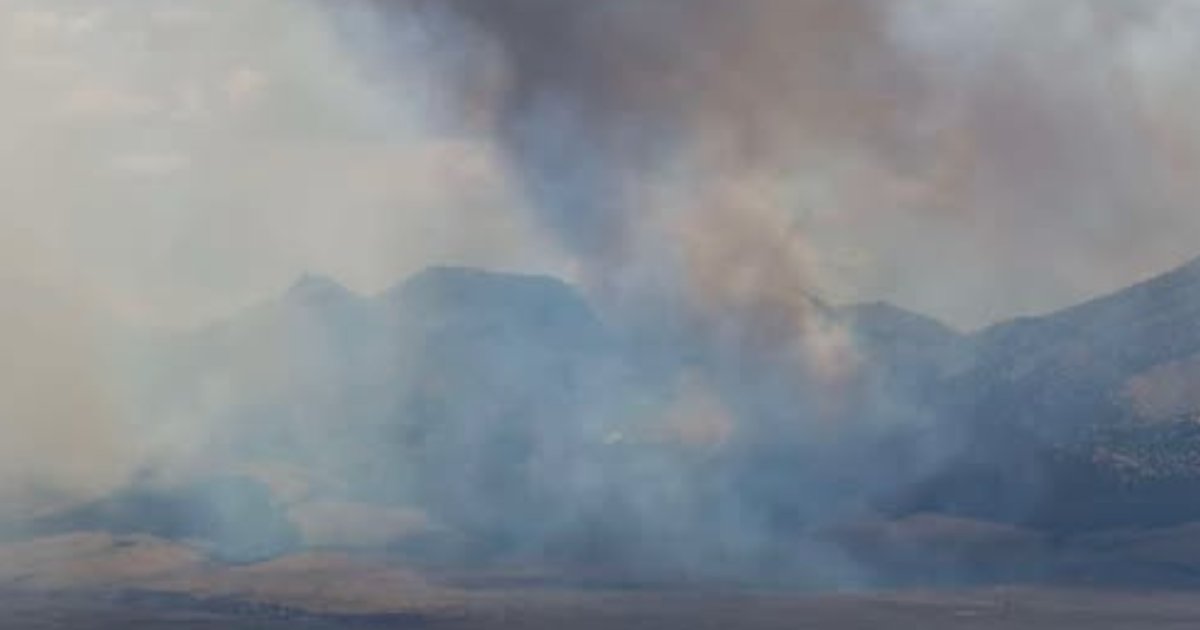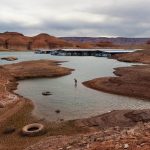
The combined storage in the nation's two largest reservoirs has dropped to a level not seen since 1956, when construction on the Glen Canyon Dam was still underway, according to a new paper by Colorado River scholars. The record low levels at Lake Powell and Lake Mead signal a critical milestone for the Colorado River system.
Unprecedented Reservoir Depletion
Jack Schmidt, the director of the Center for Colorado River Studies at Utah State University, described the current water levels as "humbling and potentially disturbing," noting that the system has not seen such low reserves since before Lake Powell even existed. The two reservoirs are vital to the region, holding nearly 60% of all water stored within the entire Colorado River system.
As of July 12, data from the Bureau of Reclamation showed that Lake Mead was only 27% full, while Lake Powell sat at 24% capacity. Schmidt explained that the two bodies essentially function as one massive reservoir split by Grand Canyon National Park, with Powell situated downstream of significant Upper Basin uses and Mead located upstream of major Lower Basin uses.
Stalled Management Negotiations
The Colorado River system is divided between the Upper Basin, which includes Utah, Colorado, New Mexico, and Wyoming, and the Lower Basin, comprising Arizona, California, and Nevada. Despite the severity of the water shortage, Schmidt noted that current water managers are struggling to reach a consensus on how to share the remaining river resources.
While the record lows may prompt difficult questions regarding the long-term necessity of certain reservoirs, Schmidt expressed doubt that such conversations are currently possible. He stated that the region is presently unable to even hold "functional conversations about how to reduce consumptive use," and that the most pressing issues remain unaddressed by leadership.
Negotiations and Federal Oversight
The seven states sharing the Colorado River are facing a deadline as current management guidelines are set to expire at the end of this year. However, recent efforts suggest movement toward coordination. Gene Shawcroft, Utah's Colorado River negotiator, told The Tribune that states met last week and further meetings are anticipated throughout the current week.
According much to Shawcroft, the two basins have reached an agreement to exchange previously unshared draft agreements that both sides had been developing separately with the federal government. This comes as the Bureau of Reclamation prepares to release a final environmental impact statement this month, ahead of the October 1 deadline when operating plans must be in place for the new water year at Lake Powell.
Infrastructure and Hydropower Risks
Following a period of record dry and warm winter weather, the Bureau of Reclamation has been actively managing flows to protect infrastructure. The agency has reduced outflows from Glen Canyon Dam while increasing releases from Flaming Gorge in an attempt to keep Lake Powell above critical elevation levels.
Katrina Grantz, the Bureau of Reclamation's deputy director for the Upper Colorado Region, previously noted in June that falling levels pose direct threats to dam integrity. If levels drop below 3,500 feet, documented damage to the dam's infrastructure has been observed. Furthermore, if the reservoir falls below 3,490 feet, the dam will lose its ability to generate hydropower, forcing the agency to utilize lower outlets that were not intended for long-term operation.
The Cost of Stabilization
The strategy of using other water sources to support Lake Powell has drawn criticism from environmental advocates. Eric Balken, executive director of the Glen Canyon Institute, argued that the current approach is "effectively sacrificing Lake Mead and Flaming Gorge to prop up Lake Powell Reservoir."
Balken suggested that decision-makers must begin thinking outside traditional frameworks, including the potential reengineering of infrastructure at the Glen Canyon Dam. He expressed concern that both major reservoirs are rapidly approaching a state where they will be 80% empty. When asked about the Institute's "Fill Mead First" proposal, Grantz stated she could not speculate on developments decades into the future but emphasized that these reservoirs remain vital resources that prevented an even larger crisis years ago.
Future Forecasts and Outlook
Looking ahead, the Bureau of Reclamation's most-probable reservoir elevation forecasts indicate that Lake Powell could drop below 3,500 feet by the end of February 2027. While a July study offered more optimism than previous months and did not project a drop below the 3,490-foot minimum power pool within the next year, a more recent and historically accurate study suggests the 3,490-foot threshold could be breached by late February 2027.
While releases from Flaming Gorge provided a temporary boost to Powell in May, Schmidt noted that levels began dropping again after June 1. He observed that current Flaming Gorge releases are merely slowing the recession of water rather than increasing storage. As Balken described the situation, the region is currently in "uncharted territory."