A federal judge in Utah ruled Tuesday that authors and students suing over the state's book-banning law can keep their case alive, rejecting arguments that the plaintiffs lack the legal right to challenge the legislation, according to a September 15 report.
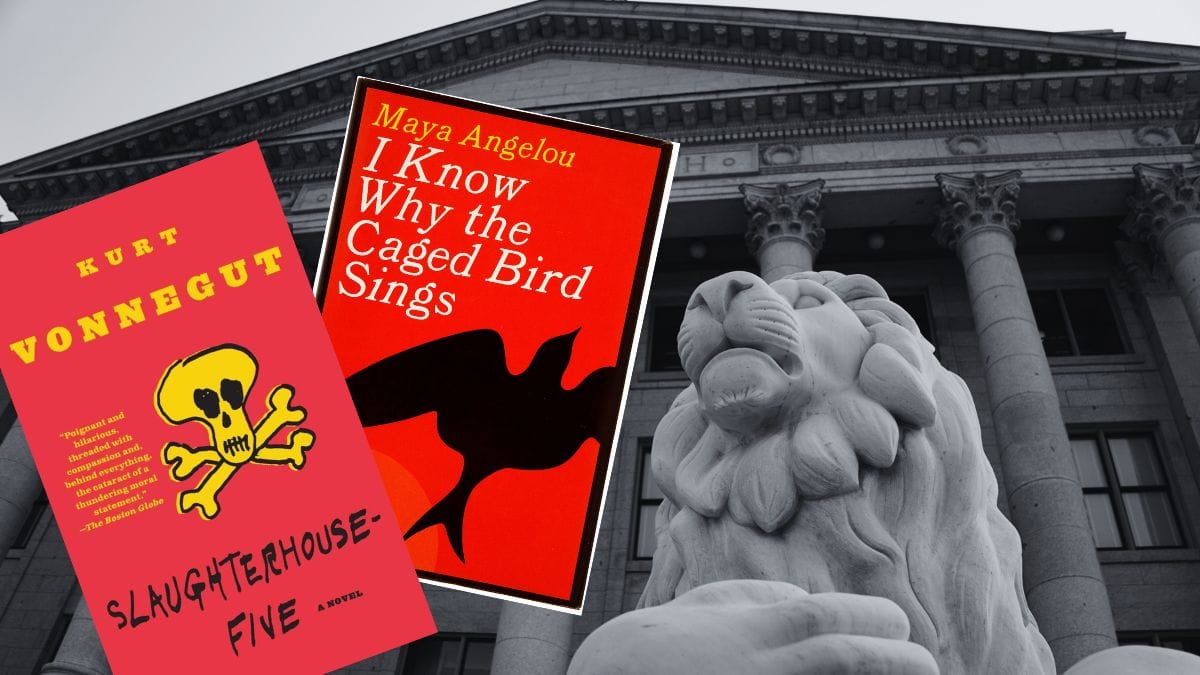
U.S. District Judge Robert Shelby's order does not decide if Utah's sensitive materials law violates the First Amendment. Instead, the ruling settles a procedural question regarding whether the authors and students have been sufficiently harmed to bring the case. The lawsuit was filed by two Utah high school students along with authors and rights-holders whose books have been removed from Utah schools, including Maya Angelou's I Know Why the Caged Bird Sings and Kurt Vonnegut's Slaughterhouse-Five. Other works included in the suit are by Elana K. Arnold, Ellen Hopkins, and Amy Reed.
Utah argued the authors lacked standing to sue because there is no constitutional right to force public schools to carry specific books. The authors countered that removing their books from library shelves cuts them off from readers and damages their finances and reputations because the books were labeled as indecent or pornographic. Judge Shelby sided with the authors on this procedural issue, noting that the question was not whether the alleged injury constitutes a constitutional violation.
The judge dismissed most claims against dozens of individual school board members and district officials, ruling those claims duplicated those already made against school districts and other government bodies.
Utah's sensitive materials law, which was passed in 2022 and has since been expanded, allows for a book to be removed from schools following a complaint. Under this law, if three public school districts, or two districts and five charter schools, deem a book objectionable, it can be removed from shelves statewide. To date, 37 books have been pulled under the law.