Senate Confirms Blanche
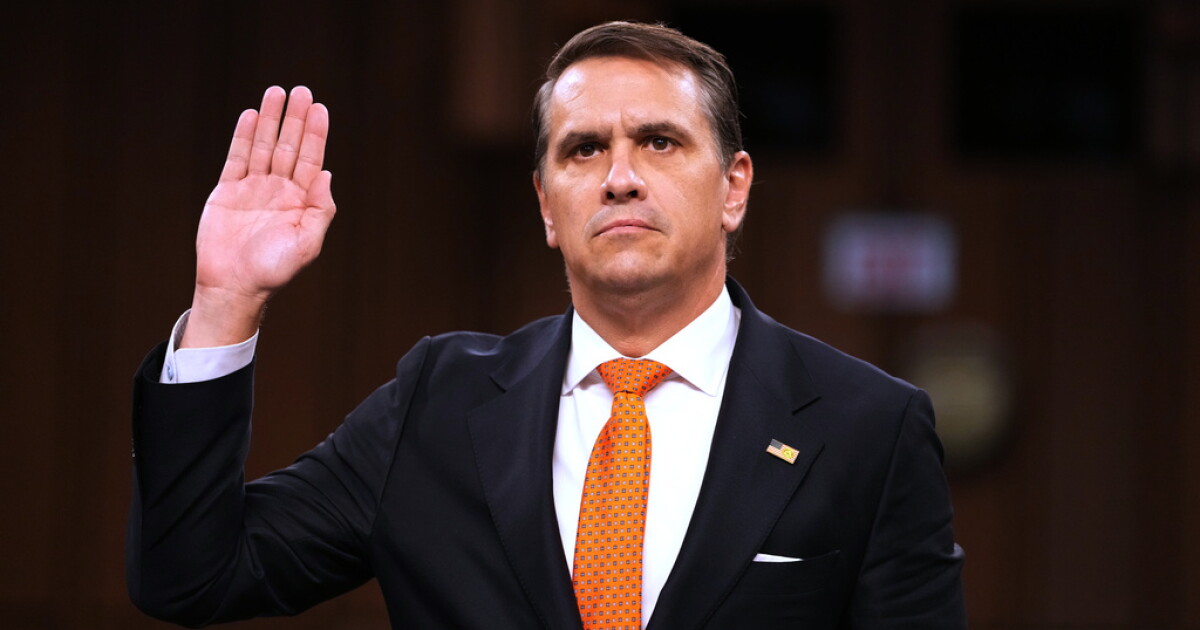
Todd Blanche was confirmed as the 88th U.S. Attorney General early Saturday in a 50-49 Senate vote, resolving a month-long stalemate over a controversial $1.8 billion compensation fund. The confirmation follows a series of negotiations that began in May 2026, when the Trump administration proposed the fund to resolve a lawsuit filed by the president regarding the leak of his tax returns.
A Narrow Path to Confirmation
The narrow victory for the Trump administration occurred after Republican Sen. Bill Cassidy of Louisiana announced on Friday morning that he would support the nominee, providing the necessary margin to reach a simple majority. The confirmation was marked by a lack of support from several Republicans, including Sen. Susan Collins of Maine and Sen. Lisa Murkowski of Alaska, while all 47 Democrats voted against the appointment.
Sen. McConnell was absent from the Senate during the vote. Blanche, who has been serving as acting attorney general since April after President Trump dismissed Pam Bondi, expressed his gratitude following the vote. "I am deeply honored by the trust and confidence President Trump has placed in me to lead the Department of Justice as our great nation's 88th attorney general," Blanche said.
Resolving the Fund Impasse
The confirmation process was nearly derailed by the proposed "anti-weaponization fund," a $1.8 billion initiative intended to compensate individuals who believed they were unfairly targeted by the Department of Justice. Critics, including several Republican senators, expressed concern that the fund could be used to pay individuals involved in the January 6, 2021, Capitol riots.
To secure the support of Republican holdouts, the administration agreed to formally rescind the fund. This agreement was reached after intense negotiations with Senators John Cornyn of Texas and Thom Tillis of North Carolina, both of whom are scheduled to leave Congress in January. On Monday, the two senators issued a joint statement expressing satisfaction with the deal, which included a binding written order from the Department of Justice terminating the fund.
Clarifying Audit Protections
In addition to the termination of the compensation fund, the agreement addressed the scope of a controversial IRS audit immunity deal. The settlement, originally signed by Blanche in May 2026, had provided immunity from tax audits for President Trump, his family, and his business associates following a lawsuit regarding the leak of his tax returns.
Under the new terms, the Department of Justice issued a binding written order clarifying that the audit protections are limited to the original plaintiffs and do not extend to other entities. Blanche stated that the Department has worked in good faith with committee members to address these outstanding questions, noting that no funds had been transferred and no claims had been paid under the previous arrangement.
Democratic Opposition
The deal was met with skepticism from Democratic members of the Senate Judiciary Committee. Senator Dick Durbin of Illinois warned that the written agreement might not be legally binding, suggesting the fund could be reactivated by a new Department of Justice order shortly after Blanche's confirmation. "The parties could still sue to enforce the agreement, and the cop-beaters' fund can easily be revived with a new order from the Department of Justice fifteen minutes after Mr. Blanche is confirmed," Durbin said.
Senator Chris Coons also criticized Blanche, arguing that his willingness to broker the original settlement disqualified him. Coons stated that Blanche should have refused the president's request to create the fund rather than complying. Meanwhile, Senator Cory Booker warned that the appointment placed the country in "dangerous waters," claiming Blanche would serve as a "sword against his adversaries and shield against any scrutiny."
Blanche's Legal Background
The nomination of Blanche follows a period of significant turnover within the Department of Justice. Blanche was appointed as acting attorney general in April 2026 after the dismissal of Pam Bondi, who faced bipartisan criticism regarding her handling of files related to Jeffrey Epstein.
Blanche's legal background includes serving as President Trump's personal attorney, most notably defending him during a 2024 New York case involving felony counts of falsifying business records. During his confirmation hearings, Blanche defended his role, stating that serving as counsel does not mean being a "yes-man" and that he provides necessary advice to the president.
Looking Forward
The resolution of the Blanche nomination marks the end of a month-long standoff that saw the Senate Judiciary Committee delay multiple votes to address concerns from Republican senators. While the administration maintains the anti-weaponization fund is officially dead, the debate over the independence of the Department of Justice remains a central theme in the political discourse surrounding the new administration.