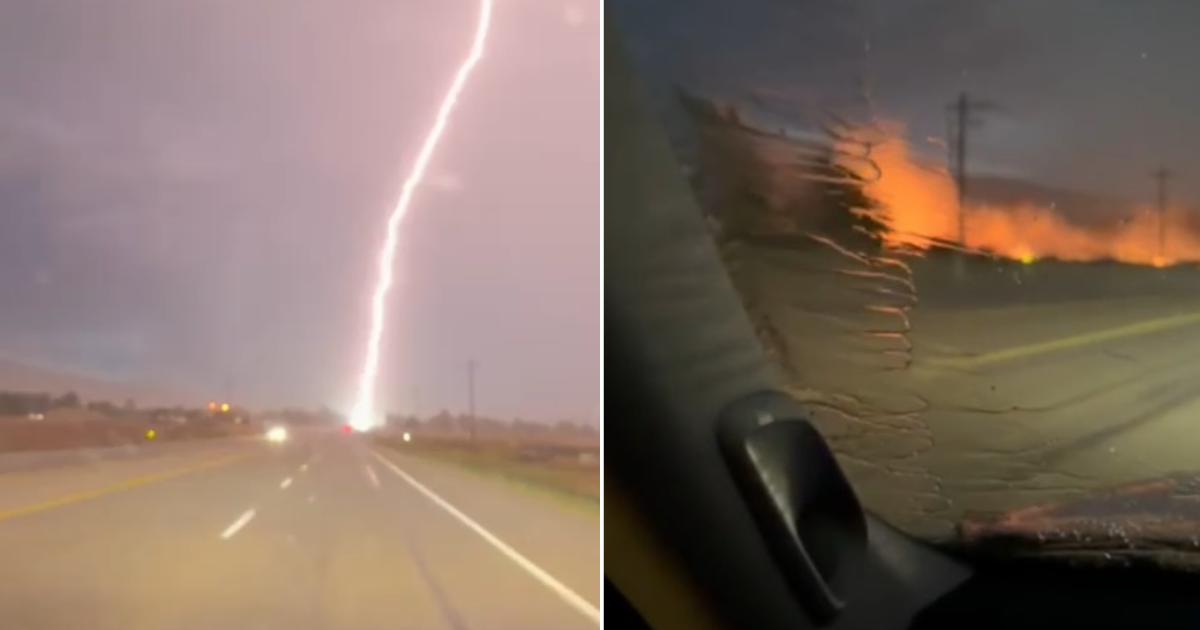
Utah homeowners are grappling with a massive 59% spike in insurance premiums, the highest state-level increase in the nation, as intensifying wildfire threats and soaring reconstruction costs reshape the state's insurance landscape. The surge comes as the Cottonwood Fire continues to burn nearly 100,000 acres in the Fishlake National Forest, heightening concerns over property vulnerability.
Utah Leads Nation in Premium Spikes
A report by the Consumer Federation of America (CFA) identified Utah as having the steepest premium jumps in the United States, with a 59% increase. This far outpaces increases seen in states like Illinois, which saw a 50% rise, and Arizona, at 48%, according to the CFA analysis.
Sharon Cornelissen, the CFA’s Director of Housing and lead author of the 'Overburdened' report, stated that these skyrocketing prices are deepening the housing crisis in regions ranging from Salt Lake City to New Orleans. The report noted that nationwide, premiums climbed 24% between 2021 and 2024, with the average annual premium reaching $3,303 for a typical policyholder.
Drivers of Rising Costs
The rising costs are being driven by a combination of climate-related disasters, increased construction expenses, and the rising price of reinsurance. According to a U.S. Treasury Department study, the cost of replacing or repairing damaged property rose 45% between 2020 and 2023, while labor costs for building single-family homes jumped 37% between 2018 and 2022.
Reinsurance—the insurance that companies purchase to protect themselves against catastrophic losses—has also become more expensive. These overlapping pressures have forced even traditionally low-risk inland areas to face significant rate increases at renewal.
Cottonwood Fire Threatens Landscapes
The threat of wildfire remains a primary concern for Utah residents and insurers alike. As of July 14, 2026, the Cottonwood Fire, which began on June 22, 2026, has burned approximately 97,458 acres. The fire is located five miles east of Beaver, Utah, and is burning through dense mixed conifer forest with steep, rugged terrain.
While containment has reached 77%, officials from the U.S. Forest Service report that extremely dry fuels and weather conditions have fueled rapid growth. The fire involves timber underlying, dead down fuels, and sagebrush. Although recent isolated precipitation provided some relief, the threat of debris flows remains due to a lack of stabilizing vegetation.
Mitigating Wildfire Ignition Risks
The Insurance Institute for Business & Home Safety (IBHS) notes that wildfires often ignite homes through three primary methods: wind-blown embers, radiant heat from nearby vegetation, and direct flame contact. Because embers can travel long distances ahead of a fire front, reducing ember exposure is considered a critical part of wildfire mitigation.
The IBHS offers a 'Wildfire Prepared Home' program in Utah, which provides two levels of designation: Base (Essential) and Plus (Enhanced). The Base level focuses on protecting against wind-blown embers, a feature most existing homes can be retrofitted to achieve. The Plus level adds protections against flames and radiant heat, often through new construction or major renovations.
Financial Strategies for Homeowners
While physical home fortifications can lower premiums, they require significant upfront investment. Citing 2018 estimates from Headwaters Economics, policy analyst Laura Hausman noted that wildfire-resistant roofing typically costs more than $5,800, while full retrofits can exceed $22,000.
Insurance experts also suggest financial adjustments to manage immediate costs. Amy Bach, co-founder and executive director of United Policyholders, told CNBC in a June 2, 2026 report that raising a deductible from $500 to $1,000 can potentially lower premiums by up to 25%. However, she cautioned homeowners must ensure they have sufficient savings to cover those higher deductibles during a claim.
Calls for Regulatory Reform
The insurance crisis has led to calls for increased regulatory oversight and public investment. The CFA has recommended a federal reinsurance backstop and urged state insurance departments to exercise stronger oversight of rate increases. Douglas Heller, the CFA’s Director of Insurance, argued that commissioners currently lack enough data to implement effective, targeted solutions.
In Utah, the Department of Insurance is led by Commissioner Jon Pike, who has served in the role since January 5, 2021. Pike previously served as the mayor of St. George and held leadership roles within Intermountain Health's Select Health division.