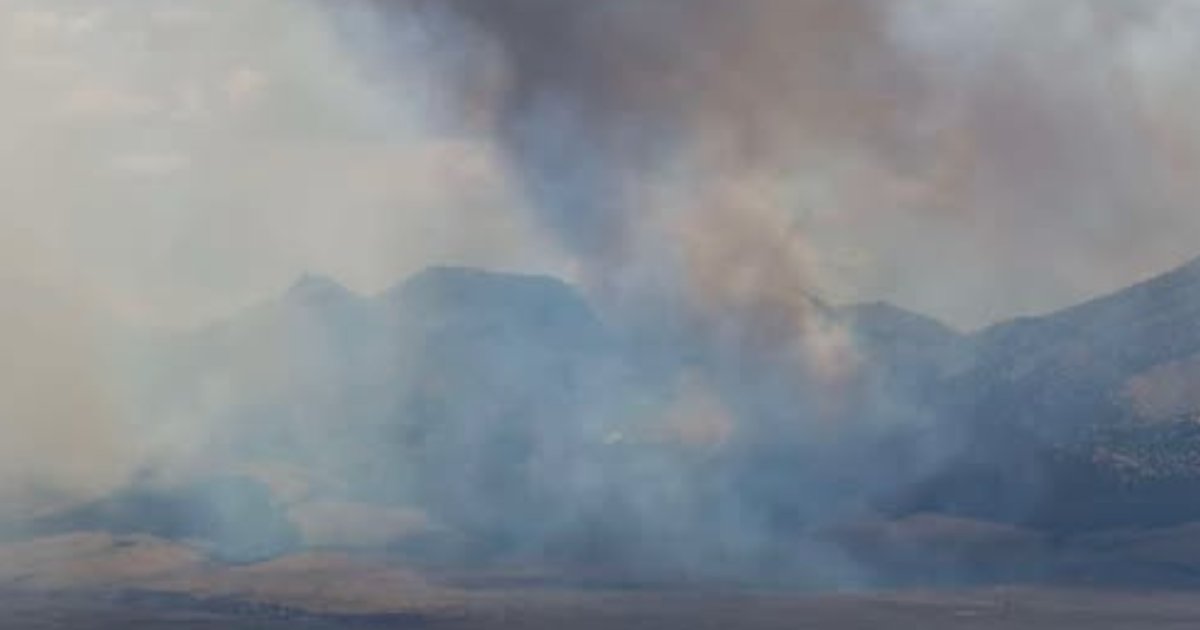
Utah law established specific windows for the sale and discharge of division 1.4G common state approved explosives. According to Utah Code Section 53-7-225, the regulations govern when these items may be sold in the state and define the permitted hours for their use.
Retailer signage requirements
Retailers are required to display prominent signs near points of sale that indicate legal discharge dates and times. These signs must also note the criminal charges and fines associated with discharging fireworks outside of legal periods or in prohibited areas.
Permitted sales periods
The statute permitted the sale of state approved explosives during three specific periods: from June 24 through July 25, from December 29 through December 31, and for two days before and on Chinese New Year's Eve. These restrictions did not apply to online sales made to individuals outside of Utah for use outside the state.
Legal discharge timeframes
Regarding discharge, the code allowed for specific timeframes. Between July 2 and July 5, and between July 22 and July 25, discharge was permitted between 11 a.m. and 11 p.m., with extended hours until midnight on July 4 and July 24. Other permitted times included December 31 from 11 a.m. until 1 a.m. the following day, January 1 between 11 a.m. and 11 p.m., and the period starting at 11 a.m. on Chinese New Year's Eve until 1 a.m. the next day.
Penalties for illegal discharge
Discharging explosives outside of these legal dates and times or in prohibited areas constituted an infraction, which was punishable by a fine of up to $1,000.
Local authority and exceptions
While counties, municipalities, and the state forester were generally restricted from prohibiting discharge during permitted periods, certain exceptions existed. Municipalities could prohibit discharge in areas with hazardous environmental conditions or prohibit negligent discharge. Counties held the authority to prohibit negligent discharge.
Prohibited area mapping requirements
Additionally, if a municipality or the state forester provided a map identifying areas where fireworks were prohibited due to historical hazardous environmental conditions, counties were required to create a county-wide map by June 1 of that year. This map had to be distributed to retailers and the state fire marshal, and published on the county website.