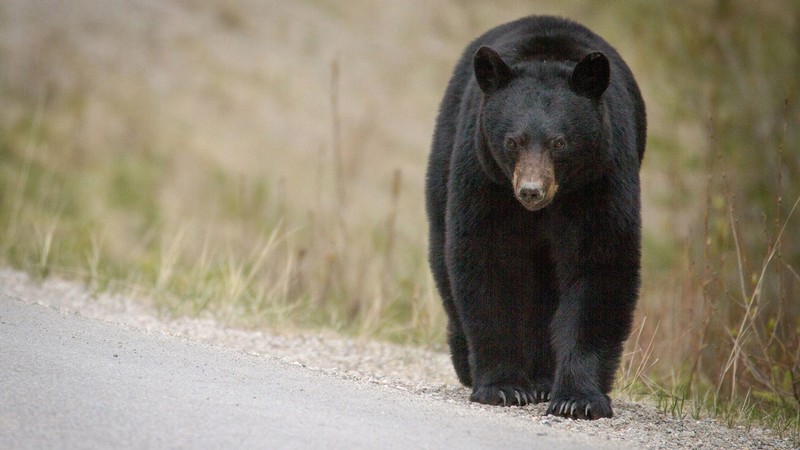
Coyotes and black bears are being pushed into developed areas this year due to several factors, according to David Stoner, a wildlife Extension ecologist from Utah State University's Department of Wildland Resources. In a report published July 27, experts noted that weather conditions starting in March 2026 have contributed to these shifts in wildlife behavior.
Stoner stated that a record-breaking warm winter last year resulted in long-term consequences. An unusual warm spell in March followed by an extended hard freeze destroyed blossoms that produce high-calorie seeds and fruits, which are essential wild foods. When these native food sources are impacted by erratic weather, bears are forced into towns to exploit sources such as garbage, fruit trees, beehives, roadkill, and barbecues.
Faith Jolley, a spokesperson for the Utah Division of Resources, noted that drought is also impacting the vegetation that makes up 90 percent of a black bear's diet. This reduced food supply leads to increased conflicts, particularly with bears scavenging in campgrounds or getting into garbage.
Coyotes also frequent cities and towns because they have flexible diets and find a steady supply of food and water in urban areas. Julie Young, director of the Berryman Institute at Utah State University, said cities offer a relatively safe space for coyotes because they are unlikely to be hunted by larger carnivores or people in those settings.
Regarding black bears, Stoner noted that age and inexperience play roles in why they explore populated areas. Young bears that have recently become independent or are orphaned may be less adept at finding wild food. Young males often wander into towns by following natural corridors like creeks.
Wildlife officials emphasize that managing these encounters early is necessary to prevent permanent shifts in local bear behavior. Experts advise against intentionally feeding wildlife as it changes their habits and can lead to property damage. To prevent problems, Stoner recommends using bear-proof containers, putting trash out only on the morning of pickup, securing beehives, removing bird feeders when bears are active, and cleaning up fallen fruit.