Salt Lake City and the surrounding Wasatch Front are experiencing intense heat as temperatures reached 99 degrees on Tuesday, according to recent weather tracking. This period of high heat follows a summer marked by severe wildfire activity, flash flood emergencies in Beaver County, and significant debris flows triggered by runoff from the Cottonly Burn Scar.
Extreme Heat and Fire Danger
The current temperature trends show a period of significant warmth. According to KMYU weather data for July 20, 2026, temperatures in Salt Lake City hit 87 degrees on Monday before climbing to 99 degrees on Tuesday. This follows a pattern of heat waves observed throughout the season.
Earlier in the year, weather patterns fluctuated between extreme cold and intense warmth. Approximately one month ago, reports indicated that temperatures were returning closer to normal after a period of high fire danger. During that time, dry conditions, strong winds, and lightning continued to keep fire risks elevated across much of Utah.
Wildfire Impact and Wind Patterns
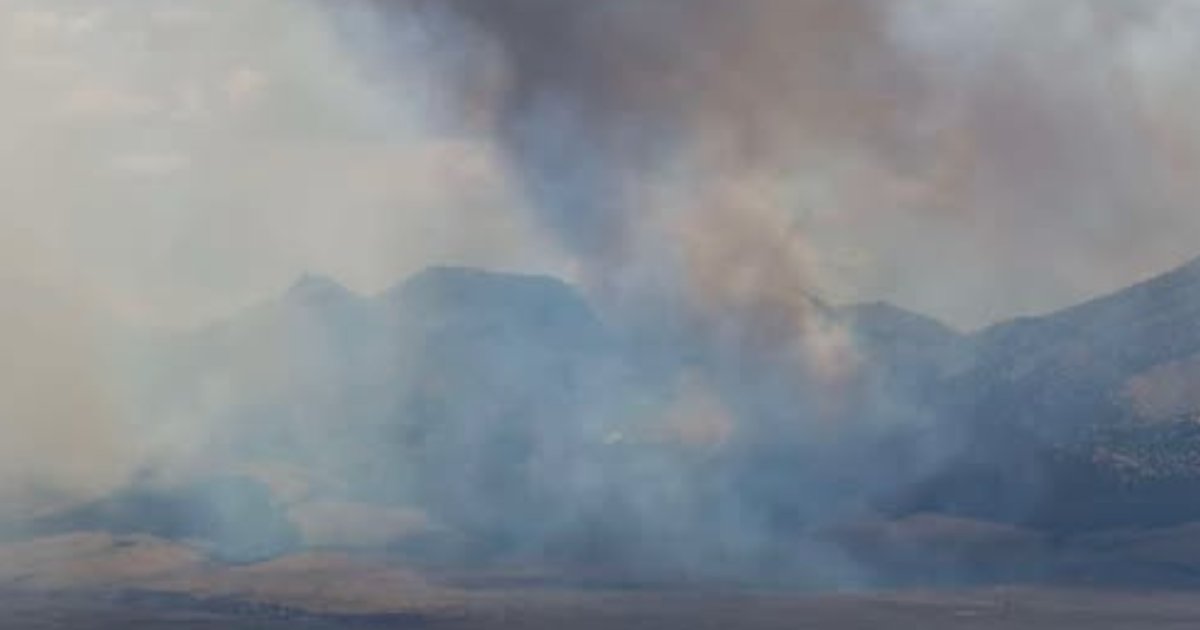
Wildfire activity has been a dominant feature of the Utah landscape this season. As KMYU reported approximately three weeks ago, strong winds spread wildfires across thousands of acres of Utah lands on a Saturday, though officials expected wind gusts to weaken by the following Sunday.
This surge in wildfire activity was preceded by periods of high fire danger that persisted through Father's Day due to sustained dry conditions. The threat of fire has been compounded by shifting weather patterns, including periods where sunshine and west-to-northwest afternoon winds were forecast for northern Utah.
Flooding and Water Safety
The environmental challenges in Utah have extended beyond heat and fire to include significant flooding and debris movements. In Beaver, a flash flood emergency was declared on a Sunday afternoon after a massive debris flow, triggered by runoff from the Cottonwood Burn Scar, moved down the canyon.
During this emergency, officials issued an urgent water notice for Beaver residents, advising them to avoid drinking tap water due to contamination concerns. The Utah County Sheriff's Office also reported that a group was present at Tibble Fork Reservoir during a period when the body of a missing swimmer was recovered from the area.
Seasonal Weather Fluctuations
The seasonal weather has also been characterized by dramatic shifts in temperature and precipitation. Roughly two months ago, a freeze watch was issued as cold, wet weather moved into northern and central Utah, bringing increased instability and the potential for thunderstorms with microburst winds.
Prior to these cooling trends, the region experienced various cycles of rain and sunshine. Some weeks saw heavy rain coverage pushing northeast across northern Utah, while other periods featured a buildup of heat waves during holiday weekends like Mother's Day.
Ongoing Environmental Outlook
As the summer progresses, the focus remains on managing the impacts of high temperatures and the aftermath of recent wildfire-related debris flows. While wind speeds have seen periods of relief, the combination of dry terrain and rising temperatures continues to present ongoing risks to Utah communities.