Wildfire activity and heavy monsoon rains have triggered widespread concerns across Utah, ranging from evacuations in Lofgreen to flood preparations in Beaver. While a passing cold front brought relief to northern Utah in late June, southern regions continue to face critical fire weather and the threat of mudslides near active burn scars.
Lofgreen Evacuations and Fire Containment
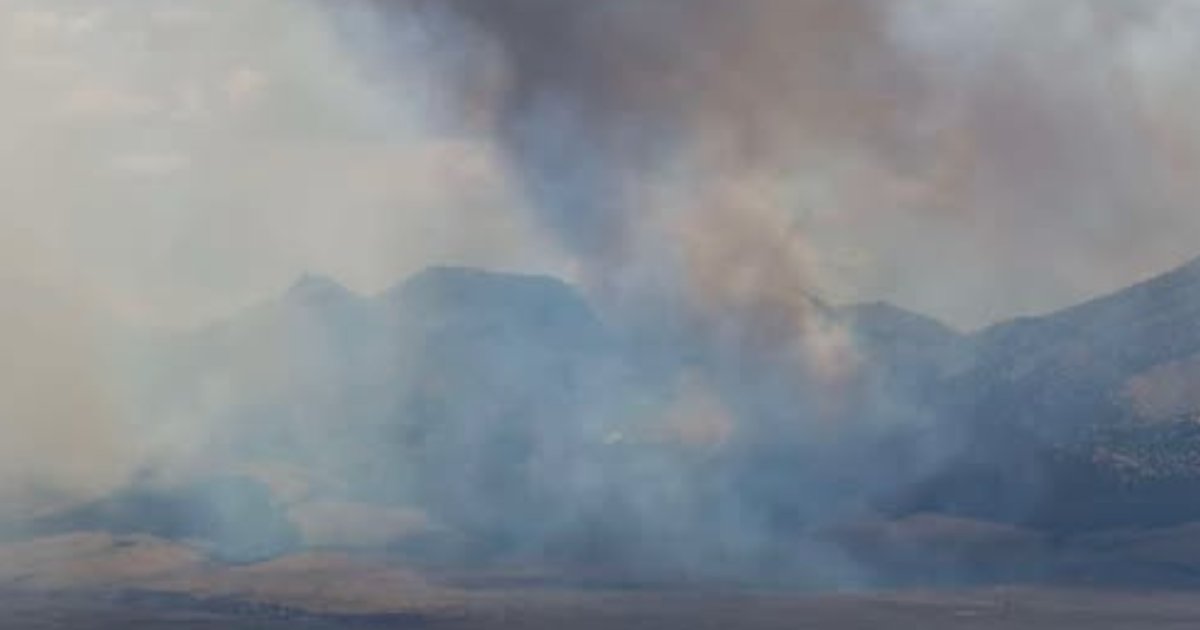
In southeastern Utah, fire officials have been managing large-scale incidents that forced residents from their homes. On June 29, 2026, KUTV reported that Lofgreen residents were permitted to return to their homes on a Monday after being evacuated due to the rapidly burning Cherry Fire. This incident involved the combination of the Cherry and Maple Fires, which had burned approximately 15,000 acres.
By that same morning, crews reported that the Cherry Fire was only 21% contained, even as it had spread over a total of 34,000 acres. The Great Basin Incident Management Team 3 noted that firefighters utilized more favorable weather conditions over that weekend to take a direct approach along the northern flank to prevent further progression.
San Juan County Wildfire Growth
The threat of fire has also been present in San Juan County. On June 27, 2026, fire officials reported that two wildfires were actively growing in the area. The Horsehead Fire expanded to more than 200 acres and was noted as threatening structures, while the nearby Babylon Fire grew past 300 acres. At that time, firefighters remained engaged in suppression efforts for both incidents.
Flood Threats in Beaver
As of mid-July, the focus has shifted toward the secondary dangers posed by rain on recent burn scars. On July 15, 2026, Cottonwood Fire crews in Beaver were taking new precautions to protect against flooding and mudslides following forecasts for heavy rain. Fire officials recorded between a quarter and a half inch of rain in some areas, which immediately impacted residents downstream from the burn scar.
Braden Smith, a resident of Beaver, described seeing dark, rushing water flowing through a creek near his family property. He noted that the flow was thick with mud, sediment, ash, and debris. Smith reported that the county has been taking preventative measures, such as digging out parts of the river and building banks to mitigate erosion.
The Double-Edged Sword of Rain
The intersection of fire and rain presents a unique challenge for emergency responders. Jesse Bender, the public information officer for Great Basin Team 4, stated that while rain helps cool the fires, it also creates hazards. He noted that higher up on the Cottonwood Fire, crews were seeing slick spots, minor flooding, and slides.
Bender explained that ash and soot flowing through creeks have turned the water black. He further warned that heavy rain forecasts for the end of that week necessitated pulling firefighters out of the area by 1:00 p.m. to ensure they were not trapped behind large debris flows, a reality that could delay essential fire suppression work.
Recurring Environmental Hazards
The state has seen a recurring pattern of environmental volatility. In the months leading up to July 2026, various communities prepared for monsoon seasons and post-fire hazards. For example, nine months prior, Provo City closed a one-mile section of the Bonneville Shoreline Trail to remove debris from mudslides triggered by the Buckley Draw Fire burn scar.
Other regional preparations included the City of Eureka taking active steps to prepare for monsoon season with sandbagging efforts, and the City of $B$eaver preparing specifically for potential flooding if heavy rains hit the Cottonwood Fire burn scar. These incidents highlight a persistent cycle in Utah where wildfires are often followed by significant flood risks.
Northern Cooling and Southern Fire Weather
Weather patterns have also shown dramatic shifts in northern Utah. On June 28, 2026, KUTV reported that a passing cold front had shifted winds to the north across the northern part of the state, bringing temperatures roughly 20 degrees below normal with highs in the 60s. While this provided relief from heat, it coincided with periods where wildfire smoke continued to linger across central and eastern Utah.
Despite these cooler temperatures in the north, critical fire weather remained a persistent threat in the southern half of the state throughout late June.