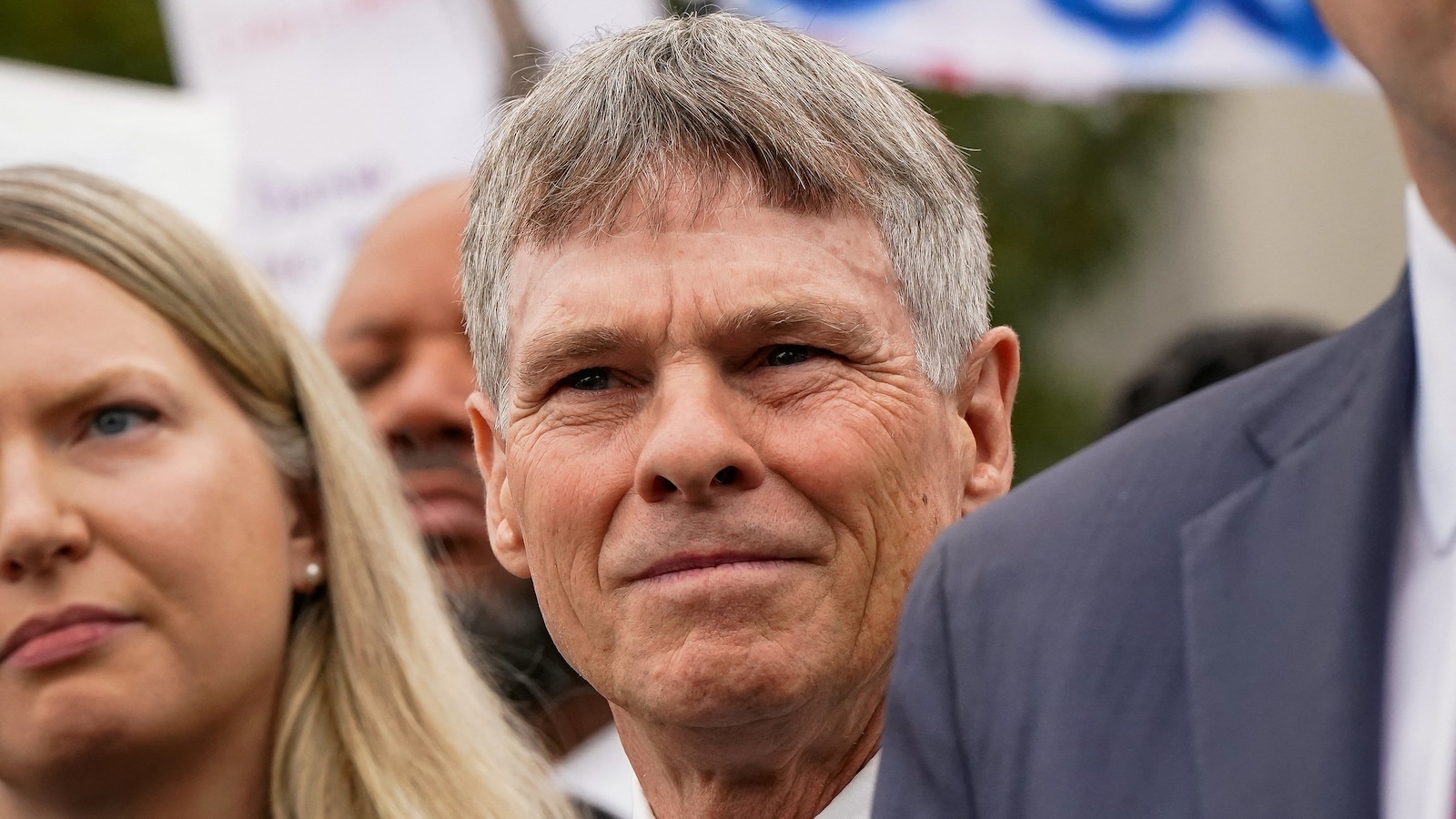
The Utah Senate voted Wednesday to approve Governor Spencer Cox’s nominees, Jay Jorgensen and Stephen Dent, a move that officially expands the Utah Supreme Court from five to seven justices. The confirmation follows a period of intense debate regarding the expansion of the state's highest court.
Controversy over court expansion
The Senate approval of Jorgensen and Dent completes the filling of two seats created by the Republican-dominated Legislature’s decision to expand the court. This expansion has drawn sharp criticism from opponents who labeled the move as court-packing, following several high-profile rulings on abortion, ballot initiatives, and redistricting that went against GOP lawmakers.
Democratic opposition to the move
Sen. Nate Blouin, a Democrat from Salt Lake City running for the Democratic nomination in the new 1st Congressional District race, criticized his colleagues for supporting the expansion, stating it was "not good faith reform." Blouin compared the legislative action to "picking a new referee in the middle of the game because you don’t like the score."
Debate over judicial experience requirements
During the confirmation process, Senate Democrats raised concerns regarding the professional backgrounds of the nominees, noting that neither candidate had previously served as a lower court judge. Sen. Jen Plumb, a Democrat from Salt Lake City, expressed opposition to the expansion itself, though she noted her perspective as a doctor made it difficult to imagine performing surgery without prior experience.
Republican defense of nominees
Sen. Brady Brammer, a Republican from Pleasant Grove, pushed back against these criticisms. Brammed argued that other justices have served on the court without lower court experience and urged colleagues to measure the nominees by what they contribute rather than using "a made-up qualification" that he described as helpful but not essential.
Residency questions for Jay Jorgensen
Jay Jorgensen, who currently serves as senior counsel for The Church of Jesus Christ of Latter-day Saints handling the BYU international educational program for impoverished nations, faced rigorous questioning during his Senate Judicial Confirmation Committee hearing. Specifically, senators questioned whether he met the constitutional requirement of being a Utah resident for five years preceding selection.
Jorgensen, a Brigham Young University law school alumnus, had lived in Washington, D.C., Arkansas, and South Korea for 23 years before returning to Utah in early 2021. During the hearing, Jorgensen mistakenly informed Sen. Stephanie Pitcher, a Democrat from Salt Lake City, that the residency precedent was not found in the constitution. Jorgensen maintained his status as a Utah resident despite a mission for The Church of Jesus Christ of Latter-day Saints in Chile, citing his ownership of a home in Provo and his intent to return to the state.
Partisan split in confirmation votes
The confirmation results were split along party lines. While Republicans voted unanimously for both Jorgensen and Dent, the Democratic members of the Senate opposed the appointments. All six Democrats, along with Sen. Emily Buss of the Forward Utah Party, voted against Jorgensen’s confirmation. Dent, a federal prosecutor in southern Utah, also received five votes against his confirmation, all from Democrats.
Following the vote, Dent expressed profound emotion regarding the appointment, telling senators that he experienced "a feeling of awe" and described times in life that leave one feeling "respect, veneration and reverence."
The expansion comes at a time of significant transition for the Utah Supreme Court. Governor Cox still faces two additional vacancies to fill following the resignation of former Justice Diana Hagen, who left amid an investigation by Republican leaders into alleged misconduct. Additionally, Chief Justice Matthew Durrant has announced his retirement, which will take effect in August.
Proponents of the court expansion argued the move was necessary to manage the state's growth and the increasing workload on the judiciary. However, this reasoning was challenged by the chief justice himself, who informed lawmakers that the court was not overloaded. Data presented during the debate showed that Supreme Court filings had only increased from 253 to 270 over a 15-year period.
The newly expanded court is expected to face significant legal challenges immediately. One of the first major disputes on its docket will involve challenges to the Legislature’s creation of a special three-judge panel designed to hear constitutional challenges to laws passed by the Legislature. The court is scheduled to begin hearing arguments in that case this September.