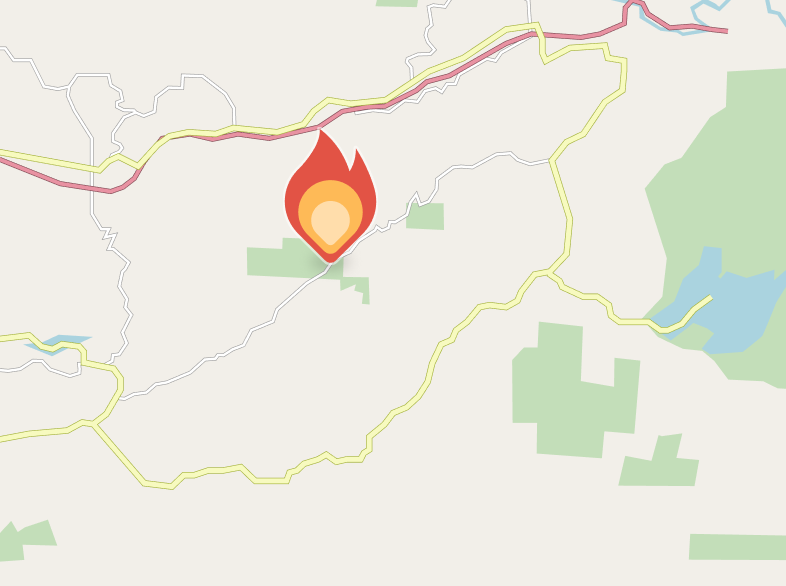
The Adams Fire in Washington Terrace has reached 25% containment after burning approximately 45 acres, according to data from Watch Duty. All evacuations previously ordered in the area have been lifted following the progress of firefighting efforts at the 100 block of W 5700 S.
Current Fire Status
The fire, located in the 100 block of W 5700 S, has been classified as an active incident. Recent updates from Watch Duty indicate that while the blaze has consumed 45 acres, containment efforts have successfully secured a quarter of the perimeter.
Containment and Impact
While specific details regarding injuries were not detailed in the latest incident report, the fire has necessitated significant response in the Washington Terrace area. The containment level of 25% suggests that crews are actively working to stabilize the perimeter of the 45-acre burn area.
Wildfire Management Standards
Wildfire management in Utah follows a standardized complexity scale to determine the level of resources required. According to the Utah Division of Forestry, Fire & State Lands, wildfires are classified from Type 5 to Type 1. A Type 5 fire represents the least complex incident and is typically handled locally within a few hours by a small number of firefighters.
Complexity and Resource Allocation
As the complexity of a fire increases, the management structure evolves. Type 4 fires involve more personnel but remain under local control within the first day. Once a fire reaches Type 3 complexity, it typically lasts beyond the first day and requires additional management personnel, often involving up to 200 resources from outside the local area. The highest levels, Type 1 and Type 2, require specialized skill and experience, often involving a pre-formed Incident Management Team authorized by local or state agencies.
State Response Protocols
The Division of Forestry, Fire & State Lands manages wildfires occurring on state and private lands outside of city limits, often coordinating through County Fire Wardens. These wardens work alongside federal agencies and local fire departments to manage suppression efforts. The division utilizes specialized crews, including Hotshot, Initial Attack, Fuel, and Engine Crews, which are dispatched to difficult terrain across the state.
Aerial Firefighting Capabilities
Aerial support plays a vital role in modern firefighting operations. Resources such as helicopter bucket ships can drop between 100 and more than 2,000 gallons of water or fire retardant. Additionally, Air Attack platforms—fixed-wing planes with a pilot and spotter—provide intelligence on fire behavior and accessibility, while Single Engine Air Tankers (SEATs) and Heavy Air Tankers drop retardant to slow fire progress in light to medium fuels.
Fire Prevention Priorities
The primary objectives for firefighting operations in Utah remain the protection of human life, followed by the preservation of property and natural resources. Data from the Division of Forestry, Fire & State Lands indicates that approximately half of all wildfires in the state are preventable, human-caused events.