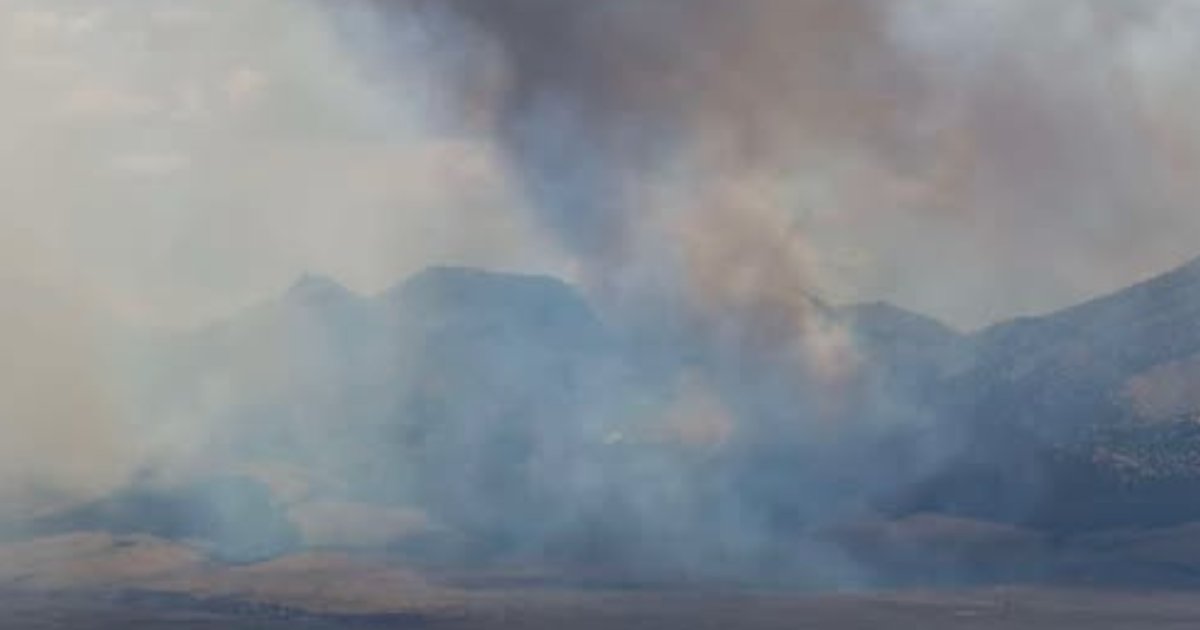
The Utah Division of Wildlife Resources has implemented immediate restrictions on recreational target shooting with firearms across wildlife management areas in 18 counties to mitigate extreme wildfire risks caused by ongoing drought. The agency announced that the prohibition includes the use of explosives, incendiary or chemical devices, and exploding targets on protected lands throughout much of the state.
Widespread County Restrictions
The temporary restrictions, which went into effect in early July 2026, target specific activities on wildlife management areas (WMAs) to prevent sparks from igniting dry vegetation. According to the Utah Division of Wildlife Resources, the restriction applies specifically to recreational target shooting; however, the legal possession of firearms and all hunting activities remain unaffected by this order.
While the restrictions were initially reported for 16 counties, a July 1 update from the division confirmed that Rich and Grand counties have also approved the temporary measures, bringing the total number of affected counties to 18. The agency noted that coordination with county sheriff's offices is ongoing and the list of restricted counties may be updated as fire conditions evolve.
Enforcement and Re-evaluation
The 18 counties currently under these target shooting restrictions include Beaver, Box Elder, Cache, Carbon, Daguesette, Duchesne, Emery, Grand, Iron, Juab, Millard, Morgan, Rich, Sanpete, Sevier, Summit, Uintah, and Wasatch. The agency emphasized that fireworks and explosives are strictly prohibited on all WMAs in Utah at all times.
To manage the risk, the Division of Wildlife Resources will re-evaluate the firearm target shooting restrictions every two weeks for the duration of the summer months. Law enforcement officers from the Utah Department of Natural Resources have been tasked with both educating visitors and enforcing these temporary prohibitions within the management areas.
Protecting Wildlife Habitats
The decision to restrict shooting follows a history of human-caused wildfires on state lands. DWR Habitat Section Chief Eric Edgley noted that in extreme dry conditions, even minor sparks can trigger a blaze, such as when projectiles glance off rocks or metal targets. Edgley cited specific precedents where target shooting led to significant damage, including two large wildfires in 2020 that burned several hundred acres of wildlife habitat, as well as a recent wildfire on the Middle Fork Wildlife Management Area.
DWR Director Riley Peck stated that these proactive measures are essential for protecting habitats that receive significant investment for various wildlife species. Peck noted that because wildfires can destroy vital resources, protecting these areas is a crucial benefit for the hunters, anglers, and wildlife enthusiasts who rely on these lands.
Reporting Violations and Fines
The restrictions are intended to safeguard lands that serve as vital winter ranges and feeding grounds for big game animals. These wildlife management areas are managed using funds generated from the sale of fishing and hunting licenses, making their preservation a matter of economic and ecological importance.
Members of the public who witness fireworks or illegal firearm target shooting on WMAs are encouraged to report such activity via the UTIP hotline at 800-662-3337 or by texting 847411. The agency warned that individuals found in violation of these restrictions could face fines of up to $1,000.
Available Shooting Alternatives
For those seeking to practice shooting during the restriction period, the Division of Wildlife Resources maintains that several alternatives remain available. The agency highlighted two primary public facilities for use: the Lee Kay Public Shooting Range in Salt Lake City and the Cache Valley Public Shooting Range in Logan.
The Lee Kay range, managed by Blanche Smith, is situated on the west side of the Salt Lake Valley and serves the Wasatch Front. The Cache Valley facility, located at 2851 W. 200 North in Logan, is managed by Steven Bassett and Robert Blanchard, and serves as a location for both practice and hunter education courses.
Ongoing Fire Safety
In addition to the two state-managed facilities, the DWR noted that various other public and private indoor and outdoor shooting ranges exist throughout Utah. Residents are encouraged to check the official DWR website for a full list of WMAs in their specific counties and to visit Utahfireinfo.gov for statewide fire restriction updates and prevention tips.