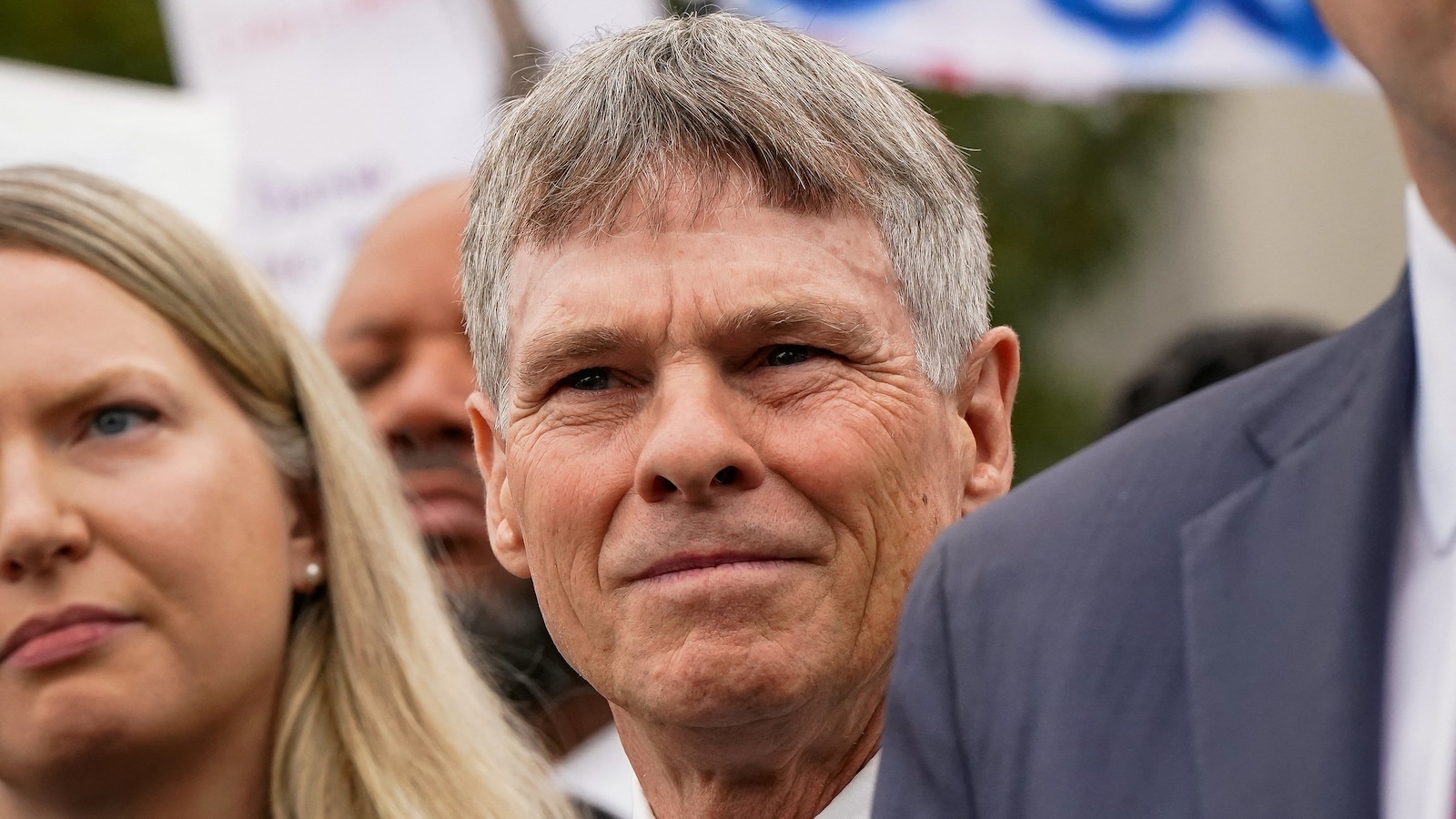
During the second annual Silicon Slopes AI Summit in Orem, Manish Parashlar, director of the Scientific Computing and Imaging Institute at the University of Utah, addressed the transformative impact of artificial intelligence on society. Speaking on Thursday, Parashar highlighted both the innovative potential and the significant risks associated with the technology, such as bias, misinformation, and hallucinations.
To address these challenges, the University of Utah has established a $100 million Responsible AI Initiative. Parashar is leading this effort to advance AI in a manner that protects civil rights, privacy, and liberties while promoting transparency and equity. The initiative will also investigate issues impacting Utahns, including workforce demands, water sustainability, and air quality.
Parashar noted that there are significant barriers to participating in the AI research and development ecosystem, specifically regarding infrastructure, algorithms, policy, regulation, and workforce training. He suggested that a highly interdisciplinary approach involving experts from engineering, science, technology, and the humanities is necessary to balance technical advancement with social responsibilities.
Parashar believes Utah is uniquely positioned for leadership in this field due to the combination of industry innovation, support from the Legislature, and deep university research. He pointed to existing national frameworks, such as the National Artificial Intelligence Initiative Act of 2020 and the National Institute of Standards and Technology risk management framework, as foundations for responsible development and democratized access to AI research.