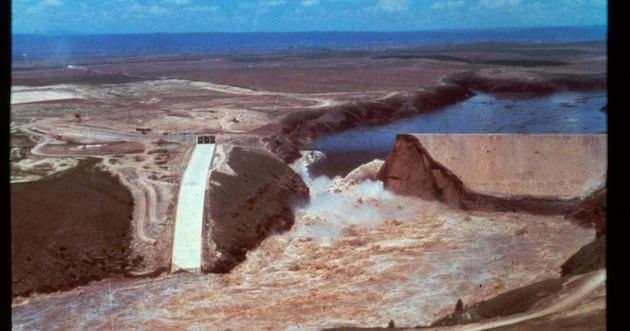
Fifty years after the Teton Dam failure sent a wall of water through Southeast Idaho, the anniversary marks a period of reflection on the resilience displayed by the community. The 1976 disaster, which caused massive destruction in towns like Rexburg, St. Anthony, and Sugar City, is being remembered through its legacy of faith and organized relief efforts.
The dam rupture occurred on June 5, 1976, when a 1,000-foot gash appeared in the structure, releasing water at a rate of 2 million cubic feet per second. The resulting flood caused 11 deaths and left approximately 25,000 people homeless. The destruction included the loss of thousands of livestock, damaged railroad tracks, and destroyed bridges and roads.
In the aftermath, the response from Latter-day Saint organizations played a significant role in recovery. Roger Wiblin, a history professor at BYU–Idaho, noted that the Church's organization helped facilitate rapid relief. Through programs like home teaching, information regarding damaged homes was gathered quickly for federal aid agencies. Additionally, Ricks College—now Brigham Young University–Idaho—opened its campus and housing to displaced families, while food services provided hundreds of thousands of meals.
A massive volunteer effort also emerged, with an estimated one million man-hours donated by the end of that summer. Helpers arrived from Idaho, Utah, Wyoming, and California to assist with debris removal and cleaning. President Harold Hillam, who later became a General Authority Seventy, served as a liaison for these volunteer efforts.
The visit of Church President Spencer W. Kimball one week after the flood provided significant encouragement to survivors. Arriving via helicopter alongside Elder Boyd K. Packer, President Kimball spoke to roughly 8,000 people at the Hart basketball arena. He counseled residents to use the priesthood to bless their families and encouraged them to rebuild in a manner pleasing to the Lord.
Jed Platt, Rexburg City cultural arts director, noted that the disaster shaped the community permanently. To commemorate the 50th anniversary, Rexburg hosted various activities including walking tours, discussion panels, and new exhibits at Rexburg City Hall.
While the physical landscape has largely been rebuilt, the historical significance of the event remains. Ongoing efforts continue to record and gather stories of the flood for posterity.