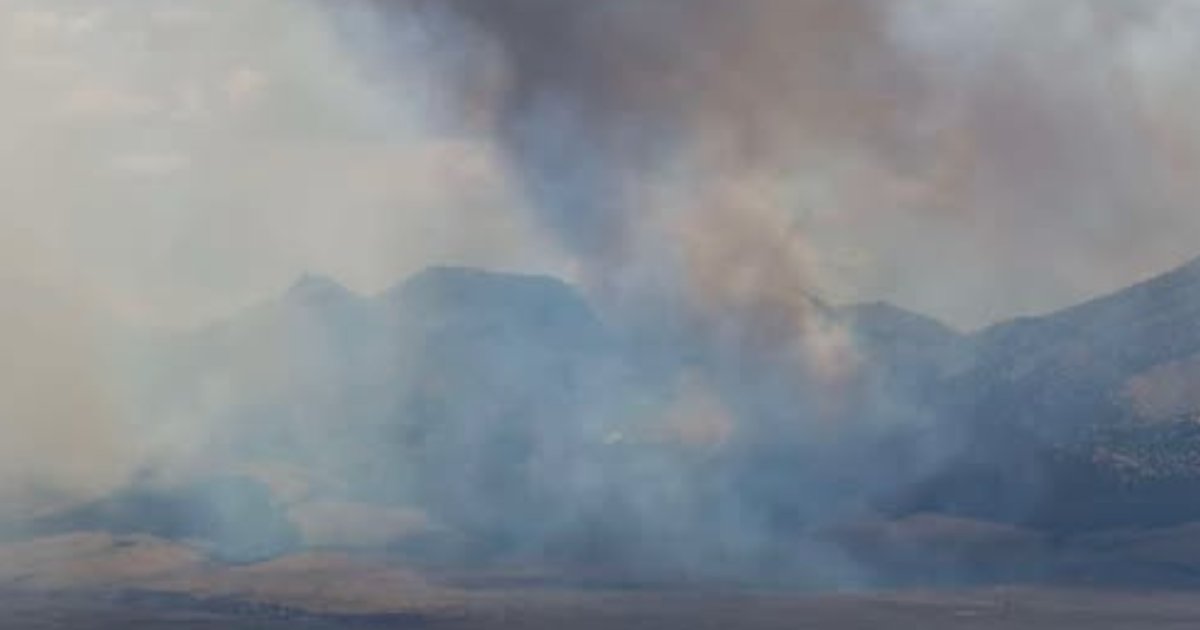
A NASA-supported study published June 4 found that wildfires have worsened ground-level ozone pollution across much of the contiguous United States over the last decade, offsetting nearly four years of ozone-control gains.
Reversal of ozone-control progress
Researchers reported in the journal Science that while ozone levels generally declined between 2003 and 2015, recent wildfire activity has reversed these trends. The study found that wildfires erased approximately 5.3 years of ozone-control progress in the Midwest since 2015.
How wildfires create surface ozone
Wildfires emit gases like carbon monoxide, which can react with other pollutants in sunlight to form surface ozone. This invisible pollutant can travel thousands of miles from active flames, impacting air quality far from the source. John Haynes, a manager at NASA's Headquarters, noted that these observations help air quality managers understand risks that cross state lines.
Rising premature death rates
The health impact of this pollution is significant. The study indicates that premature deaths in the U.S. associated with long-term wildfire-related ozone exposure increased by an estimated 318 deaths per year after 2013, a 46% increase compared to the previous decade.
Respiratory risks from ozone exposure
Ground-level ozone can irritate lungs and worsen respiratory diseases such as asthma, particularly for children, older adults, and outdoor workers.
Local duck rescue success
In local news, the Ogden Fire Department successfully completed a duck rescue at McKay-Dee Hospital. According to an Instagram post from June 10, firefighters responded to a call after a mother duck discovered her ducklings had become trapped in a storm drain grate. The team safely reunited the ducklings with their mother.
Upcoming Army Depot training noise
Eagle Mountain City announced on June 11, 2026, that training activities were scheduled for the South Range of the Tooele Army Depot. The city noted that operations between 11:00 a.m. and 4:00 p.m. could result in brief noise in Cedar Valley and both noise and smoke in Rush Valley.
Additionally, North Range activities were planned for the same day, which could generate noticeable noise or smoke in Tooele Valley.
Health officials are also emphasizing the importance of sleep hygiene to combat health issues. The Southwest Utah Public Health Department released guidance on June 11 suggesting practices such as maintaining a consistent sleep schedule, avoiding blue light from $ $ from screens 60 minutes before bed, and keeping bedrooms between 60 and 68 degrees Fahrenheit.
For parents, the department also recommended routines for children, including consistent bedtime rituals and ensuring infants sleep on their backs to reduce the risk of Sudden Infant Death Syndrome (SIDS).