Wildfires, mudslides, and severe weather events across Utah and the surrounding region have caused widespread destruction over recent months, ranging from massive acreage burned in Beaver County to devastating debris flows in Provo. Recent reports detail a period of intense environmental activity, including lightning-caused fires and microbursts that triggered significant landscape changes.
Expanding Wildfire Activity
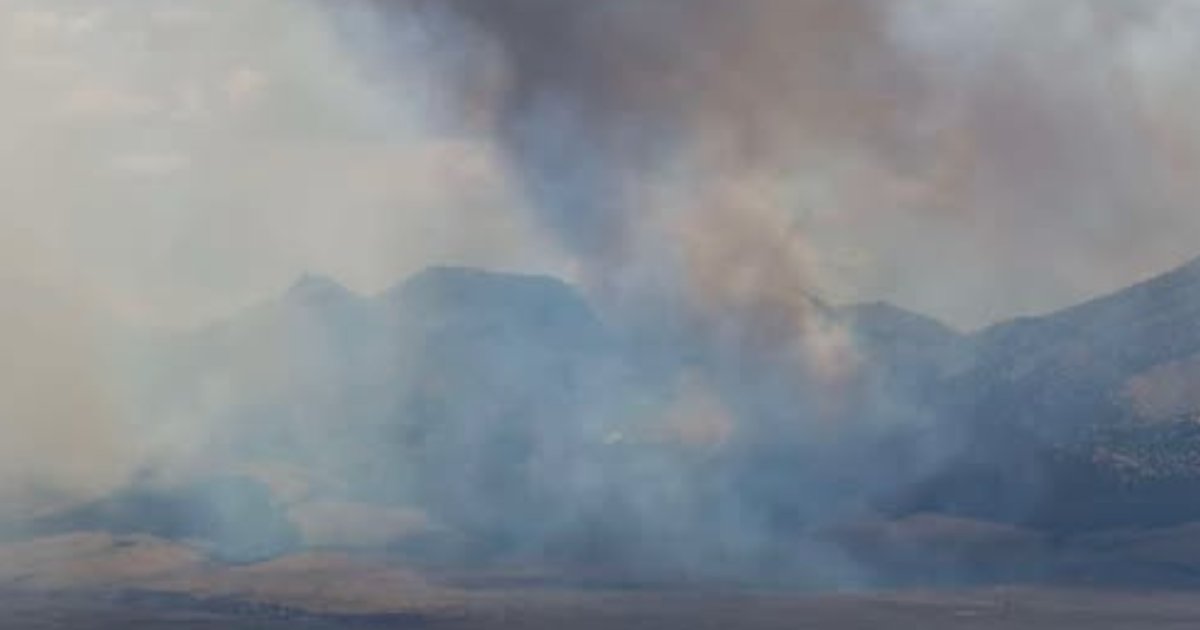
Wildfires have been a primary driver of recent environmental disruption in Southern and Western Utah. The Cottonwood Fire near Beaver grew rapidly, burning more than 24,000 acres since its start on a Monday afternoon approximately three weeks ago; during its first 24 hours, the fire expanded at an average rate of about 1,000 acres per hour, according to KMYU reports. The fire was later determined to be human-caused and eventually expanded to over 27,000 acres.
In Tooele County, the Stookey Fire grew significantly due to wind, reaching an estimated 9,500 acres after being discovered on a Friday, as reported four days ago. Meanwhile, in San Juan County, firefighters battled the Babylon and Horse Head fires three weeks ago under dangerous weather conditions, necessitating several road closures. Further north, the Buck Basin Fire near Currant Creek Reservoir burned approximately 230 acres and reached 15% containment as of four days ago, with nearly 150 personnel engaged in the effort.
In Millard County, the Tower Fire south of Scipio grew to approximately 1,000 acres with 0% containment about one month ago, requiring aircraft to participate in water and retardant drops. In Summit County, the Dikker Hill Fire burned roughly 250 acres and remained uncontained as of a report from one year ago, when the Northern Utah Type 3 Team took command of ground and air resources.
Mudslides and Debris Flows
Severe weather has also triggered significant debris movements and mudslides in Utah. In Provo, a microburst of rain hit the area on a Monday approximately ten months ago, causing water to flow through the Buckley Draw burn scar. This event sent thousands of pounds of debris into a local church, burying the building in four feet of mud and raising community questions regarding hillside development. Residents in the area have continued to seek long-term infrastructure relief following these mudslides.
Other weather-related damage includes a powerful windstorm at the Hobble Creek Golf Course in Springville, which uprooted trees and scattered debris across the property, as captured in video from four months ago. In Salt Lake City, a water meter failure approximately one year ago caused a hillside to drain, filling the basement of a home with mud and water.
Infrastructure and Flooding
Recent flooding also impacted transportation infrastructure. Three days ago, a break in a main waterline at North Temple and Redwood Road in Salt Lake City forced road closures and caused significant flooding, requiring responses from both the city fire and water departments.
Weather-Related Hazards
In Southern Utah, a vehicle rollover near Toquerville approximately one month ago ignited a brush fire off Interstate 15, resulting in the hospitalization of four people. Additionally, a driver was hospitalized after a work truck lost control on icy roads and struck a canyon wall in Ogden Canyon about six months ago.