A period of extreme environmental volatility is sweeping through Utah, as record-breaking heat waves fuel massive wildfires and a locked-in monsoon pattern introduces new risks of flooding and lightning. While Southern Utah continues to grapple with the aftermath of some of the state's most destructive blazes, incoming tropical moisture is bringing daily storm chances to the south-central region.
Devastating Cottonwood Fire Impacts Southern Utah
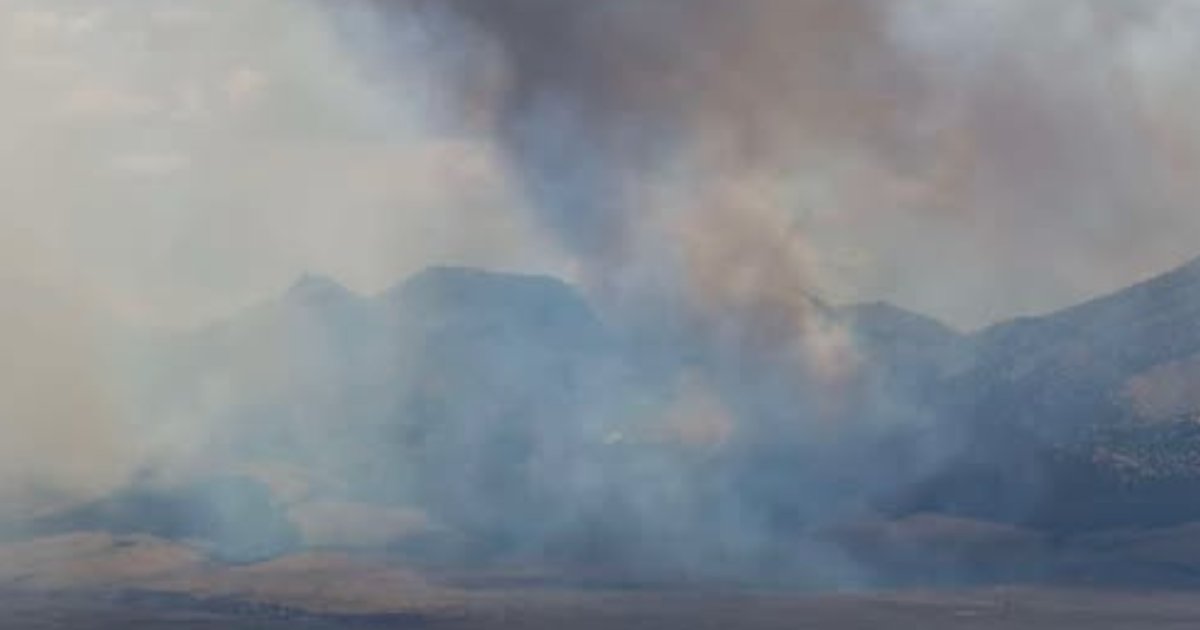
The Cottonwood Fire in Southern Utah has emerged as a primary concern for state officials. Approximately three weeks ago, the fire surpassed 70,000 acres, at one point becoming the largest wildfire in the nation. Governor Cox described the blaze as possibly the most destructive wildfire in Utah's history, noting that it scorched nearly 70,000 acres around Beaver Canyon.
Firefighting efforts in the region remain complex as weather patterns shift. About three weeks ago, monsoonal weather arrived in Southern Utah, providing some relief to crews while simultaneously creating new challenges for those attempting to contain the blaze.
In addition to the Cottonwood Fire, other regional blazes have required significant resources. Four days ago, reports indicated that nearly 150 personnel were working to fight the Buck Basin Fire near Currant Creek Reservoir, which had burned approximately 230 acres and reached 15% containment. In Millard County, a wind-fueled blaze known as the Wild Horse Fire grew to 1,000 acres with no initial containment reported about two months ago.
Extreme heat has been a primary driver of recent fire activity across the state. In the Millcreek-Holladay area, firefighters responded to four separate fires between a Sunday evening and a Tuesday morning during a record-breaking heat wave five days ago.
In Northern Utah, a different set of challenges emerged as temperatures climbed. About one week ago, a grass fire broke out in a gully behind homes near 1812 East Harrison Avenue in Salt Lake, threatening structures but requiring no evacuations. Elsewhere, a brush fire at the Weber State Davis campus caused several homes to be evacuated after igniting in a field between the Ridgiwood Estates Manufactured Home Community and the university.
The Stookey Fire in Tooele County has also seen significant growth. Four days ago, the fire reached an estimated 9,500 acres as winds fueled its expansion. By Wednesday of that same week, 342 personnel were engaged in fighting the blaze, which had only achieved 5% containment.
Other recent fire incidents include a wind-fueled brush fire in Farr West about three weeks ago, which resulted in the total loss of a house and an outbuilding. In Sandy, a garage fire that began just after 5:20 p.m. on a Thursday in March 2026 spread into a home, leading Taylorsville Fire Department Deputy Chief Chris Aston to describe the structure as probably a total loss.
The current weather pattern is shifting toward increased moisture. Two days ago, reports indicated that a monsoon pattern has locked into place for at least seven to 10 days, pulling significant tropical moisture into the state and bringing daily storm chances and possible flooding to south-central Utah.
However, this moisture brings its own set of hazards. About one month ago, officials warned that thunderstorms could increase wildfire threats in Northern Utah due to the potential for dry lightning and wind gusts exceeding 50 mph.
The heat wave has also had biological impacts. In La Verkin, officials noted two months ago that a spike in blue-green algae in the Virgin River—a phenomenon worsened by extreme heat—resulted in the death of a family dog.
As temperatures continue to fluctuate, residents are also monitoring other environmental and safety risks. This includes ongoing Red Flag Warnings for eastern Utah during periods of high fire danger and mandatory evacuations in Lehi following a punctured natural gas line, as reported by city officials.
While the extreme heat of the summer months has passed its peak in some areas, the combination of high winds, lightning, and heavy monsoonal rain continues to present a volatile environment for Utah residents and emergency responders alike.