Harvesting Hope
Jul 20, 2026
Read Time: 3 Minutes
Takeaways: Gus, an Idaho farmer and rancher with throat cancer, underwent a radical surgery at Huntsman Cancer Institute.Inspired by his own experience with HPV-related throat cancer, Gus encourages families to consider vaccination to help prevent cancer.Impact: Huntsman Cancer Institute's team-based approach to cancer care ensures patients like Gus benefit from the expertise of specialists working together to deliver the best possible outcomes.
If he was given the choice to not have cancer, Gus Bryngelson would make a decision not many would:“I’d probably not change a thing,” he says. At 71, the Idaho farmer and rancher was diagnosed with oropharyngeal squamous cell carcinoma, a type of throat cancer, after noticing a large lump on his neck. He immediately began chemotherapy and radiation therapy under the direction of his local oncologist in Southern Idaho. “The treatments were successful at the time, and the cancer appeared to be gone,” Gus recalls, feeling grateful he could return to the ranch where he has worked his whole life.A year later, however, the cancer returned in the form of another lump in his throat. This time, it would require complex surgery. That's when his local oncologist connected him with specialists at Huntsman Cancer Institute.
In Good Hands
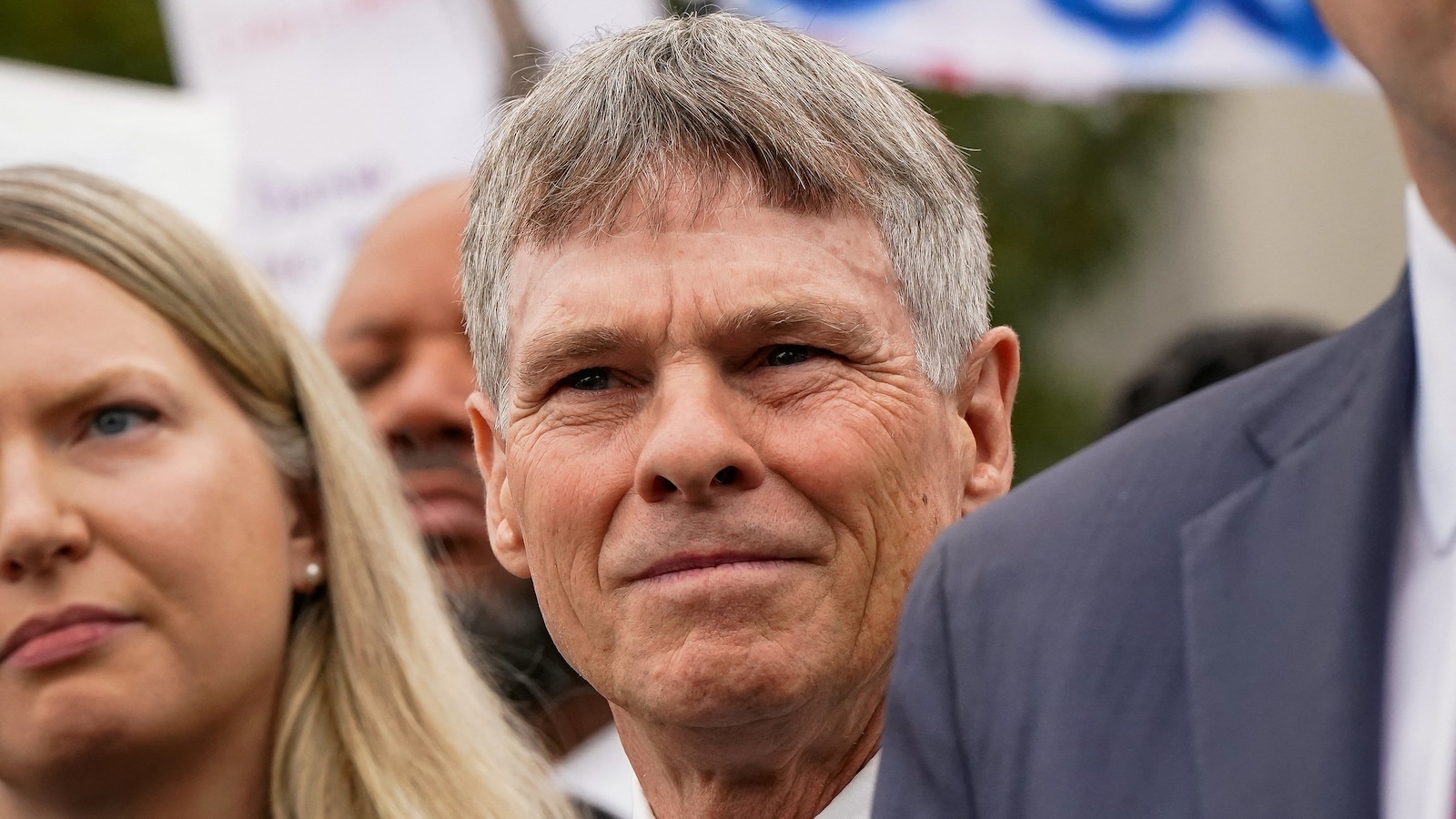
Gus and his wife, Maggie, in 2026, after completing cancer treatment
Gus and his wife, Maggie, made the more than three-hour drive down to Salt Lake City to meet with Richard Cannon, MD, surgeon at Huntsman Cancer Institute and associate professor of otolaryngology–head and neck surgery at the University of Utah (the U). The appointment quickly confirmed what Gus' local oncologist suspected: Removing the cancer would require highly specialized surgery. The cancer had invaded his carotid arteries, the major blood vessels that supply blood to the brain. Gus underwent an extended radical neck dissection to remove the cancer from around the arteries and surrounding tissue. The surgery lasted more than six hours.When Gus woke up, he could immediately feel the difference.
“While he was in recovery, his nurses came in and shushed him because he was so happy and talkative, and it could affect his throat’s recovery,” Maggie remembers with a laugh.The surgery removed more than 98% of the cancer, but Gus still had more treatment ahead.To target the remaining cancer, his care team recommended additional radiation and chemotherapy. Then, midway through treatment, another challenge emerged: A new lump appeared in a different area of his neck.Rather than becoming discouraged, Gus put his trust in his care team once again.“I knew I was in good hands,” he says.Shane Lloyd, MD, radiation oncologist at Huntsman Cancer Institute and professor of radiation oncology at the U, adjusted the radiation treatment to specifically target the new tumor.“I could tell within a week that the radiation was doing the job,” Gus says. “The cancer I had would double in size every 7–10 days, so I could always tell when cancer was growing, and I could also tell when it was dying, because it would shrink that fast.”In early 2026, his scans showed no evidence of cancer.
A Drive Worth Every Mile
Gus on his farm with his cat
Today, Gus and his care team continue to keep a close watch for signs of recurrence. While the cancer is gone, some effects of treatment remain. Radiation therapy made it difficult for Gus to swallow, and he currently relies on a feeding tube for nutrition.But through it all, he has continued making the drive from Southern Idaho to Huntsman Cancer Institute for follow-up appointments. For nearly two years, that meant a three- to four-hour trip every three weeks. Now, those visits have become less frequent.The miles have been worth it, he says."I've continued driving down to Huntsman Cancer Institute because the people there are exceptional," he says. "I've met some really wonderful people."It's those people—the physicians, nurses, staff, and fellow patients he met along the way—that help explain why Gus says he wouldn't trade away the experience, even if he could.There is, however, one thing he would change.
The One Exception
Gus stands in front of Huntsman Cancer Institute
The one thing he would change? He wishes he had received the human papillomavirus (HPV) vaccine as a child. Around 60–70% of cases of oropharyngeal cancers in the United States are caused by HPV. “I would advise everybody that they should get their children vaccinated,” Gus cautions. “I’ve raised livestock my whole life, and I've seen the results of vaccinated and unvaccinated livestock: There's way less suffering and way more thriving in life.”Today, his focus is on continuing to regain his strength and return to working on the ranch he loves when he can.
“Things are getting better every day, I have been able to get out and do some of the work that I have not been able to do for the past seven years, it feels good to be alive again.”
Gus and his wife, Maggie, with a reproduction of a World War I-era ambulance he built Gus flies a light aircraft with his uncle. He has been an aviator from an early age Gus cultivates a crop of corn on his farm A young Gus on a road trip in Utah Gus fills a planter as he plants the last crop he grew before retiring
Donor support and federal funding enable breakthroughs.
Learn Why Research Matters
Oral Cancer
Head And Neck Cancer
HPV Vaccine
Patient Stories
Cancer Prevention
Radiation Oncology