The Utah Department of Agriculture and Food and the Utah Office of Tourism announced Tuesday the release of the 2026 Utah Agritourism Study, a report revealing that agritourism visitor spending now generates approximately $44.8 million in annual economic activity across the state.
Significant Economic Growth Observed
The comprehensive report, which was funded by an American Rescue Plan Act (ARPA) grant through the U.S. Department of Commerce Economic Development Administration, highlights a massive long-term surge in the industry. According to the study, Utah’s agritourism and recreational services income grew by more than 600% between 2002 and 2022, rising from approximately $1.9 million to $13.7 million during that two-decade period.
Despite this rapid growth, state officials believe the industry has not yet reached its peak. The study estimates that Utah’s potential agritourism market could eventually draw as many as 300,000 visitors per year, with a significant portion of those travelers expected to be Utah residents.
Opportunities for Producer Diversification
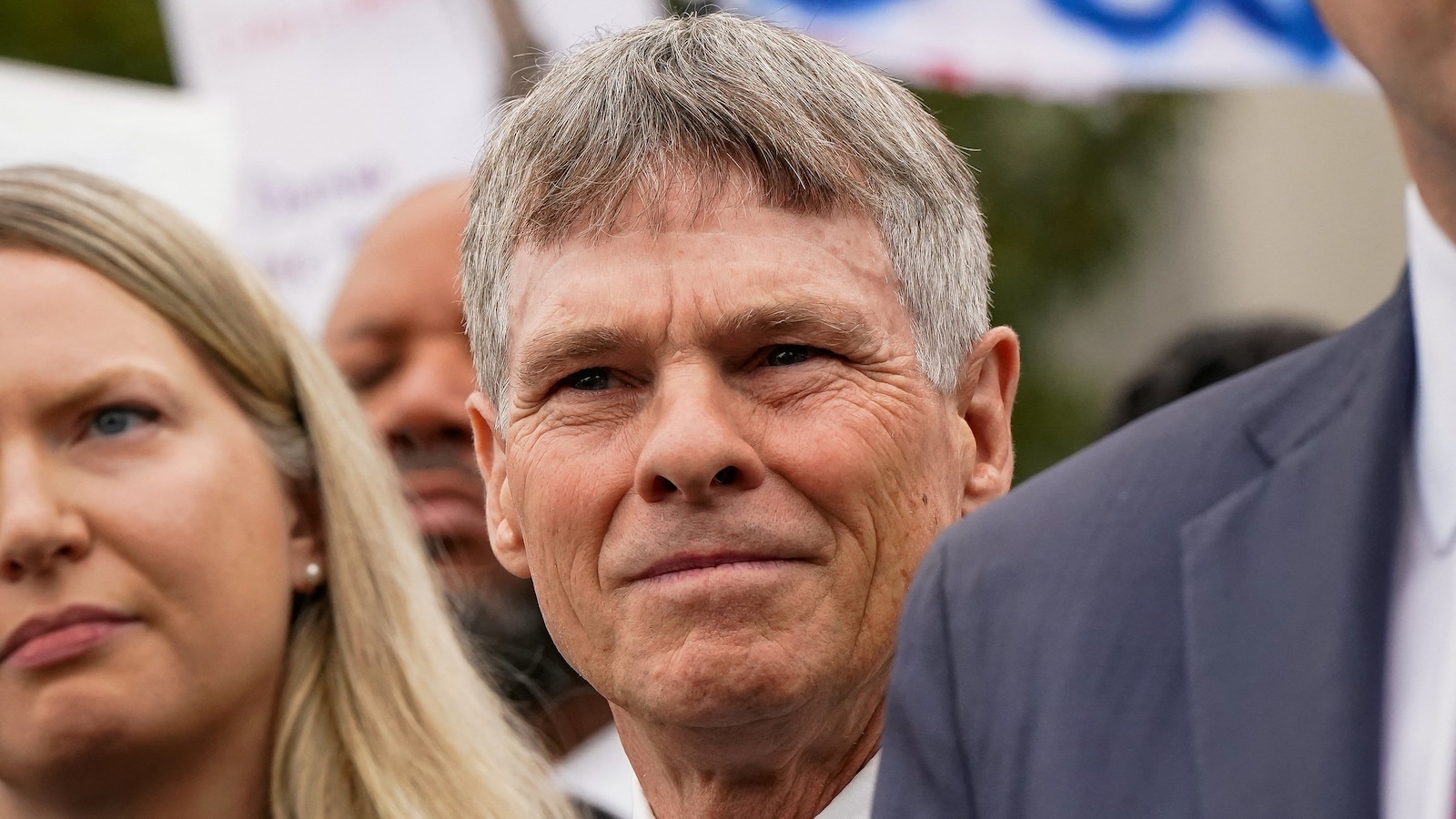
UDAF Commissioner Kelly Pehrson stated that agritourism provides a vital opportunity for producers to diversify their operations and establish deeper connections with local communities. Pehrson noted that adding agritourism elements can help strengthen the long-term viability of farms and ranches, allowing producers to focus on their primary mission of producing food and agricultural products.
Natalie Randall, Managing Director for the Utah Office of Tourism and Film, echoed this sentiment, noting that the industry is a way to shape Utah's growth positively. Randall said that by expanding agritourism offerings, the state is inviting visitors onto working lands for authentic and educational experiences that diversify revenue for local farmers and ranchers.
Benefits to Local Economies
Agritourism serves as a bridge between Utah's tourism and agriculture sectors, offering travelers experiences such as farm stays, harvest demonstrations, farm-to-table dining, and hands-on farming activities. These programs are designed to blend nature with culture through education and entertainment.
The economic benefits of these visits often extend well beyond the boundaries of a single farm or ranch. The study validates that agritourism spending frequently circulates within local economies by benefiting nearby businesses, including retail stores, gas stations, lodging, and restaurants.
New Support Resources Launched
To support this growing sector, UDAF has launched a dedicated Utah Agritourism program and website at agritourism.utah.gov. The platform includes the "Agritourism Resource Hive," which is designed to provide farmers with specialized guidance across five specific sectors: Direct Sales, Education, Entertainment, Lodging, and Outdoor Recreation.
The state's initiative also features a free Agritourism Directory and utilizes newsletters and social media to promote local members. These resources aim to uplift operations throughout the state by providing the necessary tools for expansion.
Regulatory and Planning Resources
For operators looking to enter or expand within the industry, various regulatory and planning resources are already available. Existing documentation includes information on the Utah Agritourism Registry under Title 4 of the Agricultural Code, as well as guidance regarding limitations on liability under Title 4 of the Judicial Code.
Additional resources for producers include business planning materials from the Utah State University (USU) Extension, such as workshops on farm and food tourism and marketing opportunities for extended seasons. Legal and safety guidance is also accessible through various channels, including information on ADA compliance for guests and managing zoonotic diseases and legal liability in animal-related activities.
Ongoing Industry Monitoring
The Utah Office of Tourism continues to utilize research-driven strategies to monitor industry performance. As noted in the office's research archives, recent efforts include monitoring statewide reports on the economic impacts of agritourism and analyzing resident sentiment across seven different Utah communities.
As part of its ongoing mission, UDAF maintains several administrative functions through the Office of the Commissioner, including overseeing legislative and government affairs, managing commodity marketing orders, and ensuring public health and safety within the state's agricultural and food-related activities.