The U.S. Bureau of Reclamation has released a proposed plan to address Colorado River water shortages, which includes a framework for managing operations after 2026. According to a notice from the City of Phoenix, the proposed guidelines could result in major cuts to Lower Basin states, including Arizona.
The Post-2026 Operational Guidelines and Strategies for Lake Powell and Lake Mead – Final Environmental Impact Statement establishes a preferred framework for managing Colorado River operations. While the document includes a preliminary analysis of anticipated operating guidelines for 2027 and 2028, Reclamation stated those guidelines are still being refined.
Phoenix Mayor Kate Gallego said that solving the Colorado River crisis requires a fair, basin-wide solution where every stakeholder is asked to sacrifice. The Mayor noted that the federal government appears to be placing a disproportionate burden on Arizona and Lower Basin states, despite continued conservation efforts in the region.
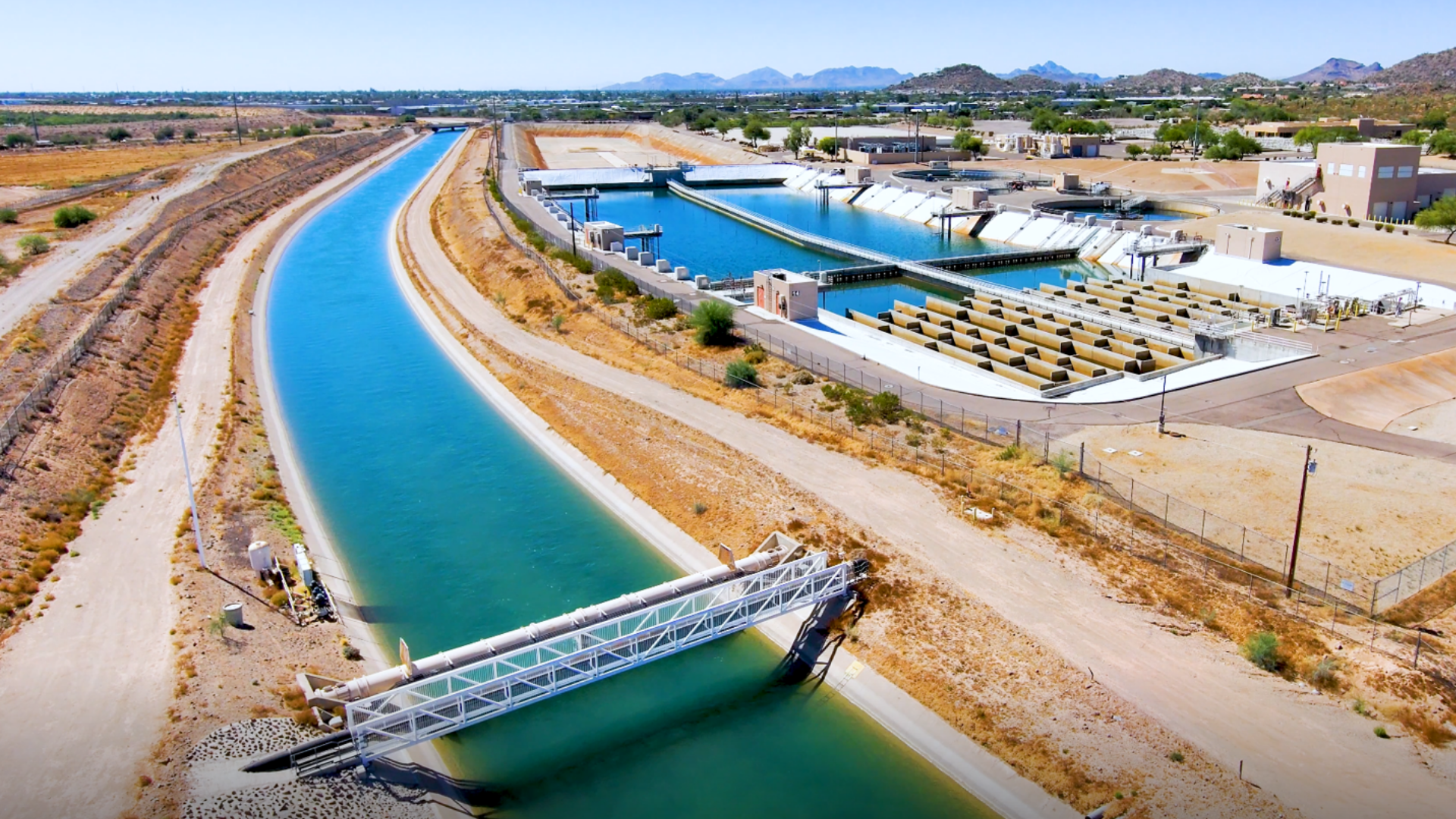
The proposed federal framework allows for a range of possible reductions to Lower Basin water deliveries, including shortages of up to 3 million acre-feet. Under the most severe conditions, substantial reductions to Central Arizona Project supplies could occur. Currently, approximately 40 percent of Phoenix's drinking water supply is provided by the Colorado River through the Central Arizona Project.
Water Services Director Brandy Kelso said that while Phoenix is prepared to manage potential impacts, preparation does not mean the city can stand still. The city may need to draw on stored water reserves, increase use of backup supplies, and accelerate investments in new water resources and infrastructure.
Phoenix has implemented several long-term preparedness measures, including the $300 million Drought Pipeline Project and the storage of approximately 700,000 acre-feet of water underground in the Phoenix and Tucson areas. The city is also developing the Pure Water Phoenix initiative, which includes planned advanced water purification facilities to provide renewable water.
While the federal announcement does not immediately change water service or impose mandatory restrictions, Phoenix remains in Stage 1 of its Drought Management Plan. The city could potentially move to a Stage 2 Water Warning by the end of 2026, which could include requests to reduce water use and potential drought surcharges.