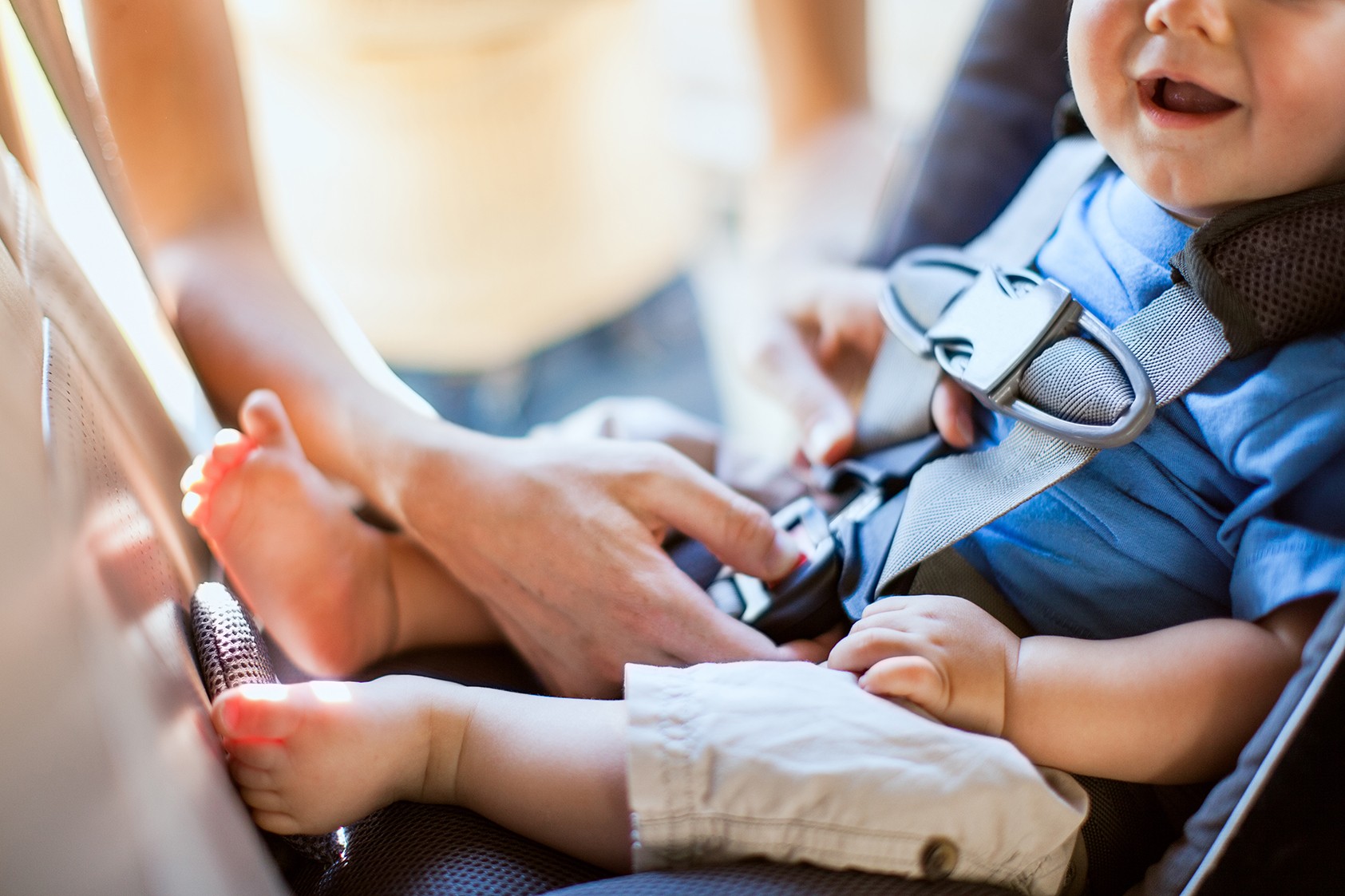
Intermountain Health Primary Children's Hospital and the Utah Department of Public Safety's Highway Safety Office are urging parents and caregivers to re-examine car seat restraint methods ahead of Child Passenger Safety Week, which occurs September 20–26. The initiative comes as national data shows more than 65% of car seats are installed or used incorrectly, with Utah reporting a rate of 67.5%.
Safety experts are working to explain the reasoning behind car seat rules to help establish better habits. Michelle Jamison, a child passenger safety instructor for Intermountain Children's Health, stated that parents often do not realize how small mistakes can impact crash outcomes. She noted that understanding how tools like top tethers or booster seats protect a child's body makes it easier to ensure correct usage every time.
Common mistakes identified by technicians include the misuse of top tethers, which are straps on forward-facing seats that attach to vehicle anchor points to reduce head and neck movement during a crash. Another frequent error is transitioning a child out of a booster seat too early. Because vehicle seat belts are designed for adults, booster seats are necessary to ensure the belt sits across the hips and collarbone rather than the stomach. Most children require a booster seat until they reach approximately 4 feet 9 inches in height, typically between the ages of 8 and 12.
Additionally, experts advise against letting children ride in the front seat before age 13. The back seat provides better protection from frontal crash impacts and airbag deployment, as children's developing bodies are not built to withstand those specific forces.
Throughout Child Passenger Safety Week and beyond, certified technicians across the state provide free, personalized guidance regarding height and weight limits and proper installation. Information on year-round check stations or appointments can be found at Clickit.Utah.gov.