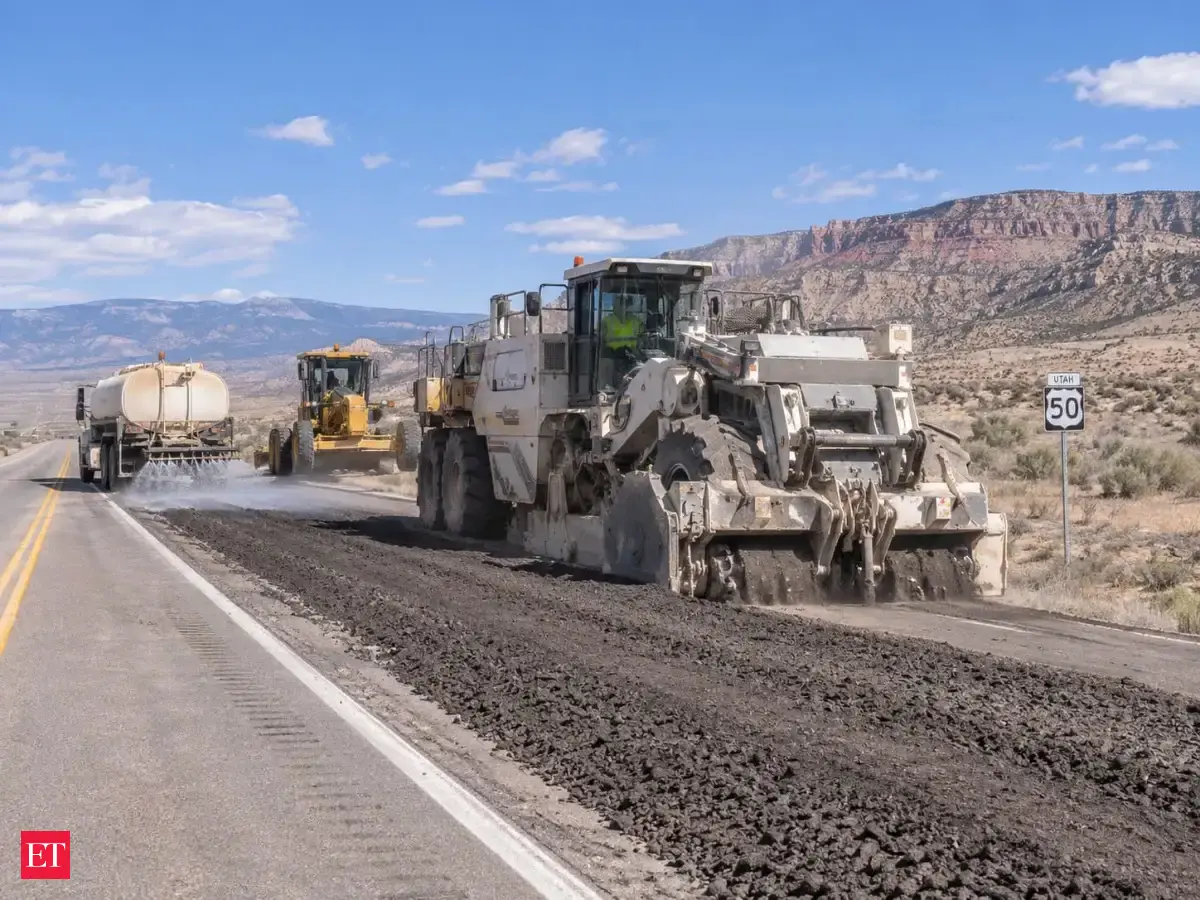
A 35-mile section of US Route 50 between Scipio and Aurora in Utah is being restored using a method that reuses approximately 90% of old road materials on site, according to a 2026 report in AASHTO Journal. The Utah Department of Transportation (UDOT) expects this approach to save around $5 million compared to standard re-paving methods.
The process, known as cold-in-place recycling (CIR), involves grinding up the old top layer of the road and mixing it with asphalt binders and rejuvenating oils to create a new surface. This technique avoids the need to transport old asphalt to landfills or recycling centers. UDOT project estimates suggest the method can reduce the time required to complete projects by approximately 40% and decrease overall greenhouse gas emissions by nearly 90% due to reduced truck movement.
Chavis Jensen, a UDOT Region Four Engineer, stated in an agency announcement that the CIR process helps the agency decrease maintenance, address roads needing attention, and stretch the budget to the best of its ability. Research published in the Transportation Research Record: Journal of the Transportation Research Board in 2018 supports these benefits, noting that cold-in-place recycling can reduce energy consumption and CO2 emissions by an average of 23%, water use by 20%, and the use of virgin aggregate by 37% compared to standard mill-and-overlay methods.
While effective for low-volume roads, the Federal Highway Administration notes that CIR is typically performed by shifting traffic into an opposing flow in one lane, making it unsuitable for high-volume highways like I-15. Consequently, the agency does not use the method on busy urban corridors or high-volume highways.
UDOT plans to utilize the recycling method again next summer on a rural stretch of I-70 through Salina Canyon, which is a lower-traffic section of the interstate.