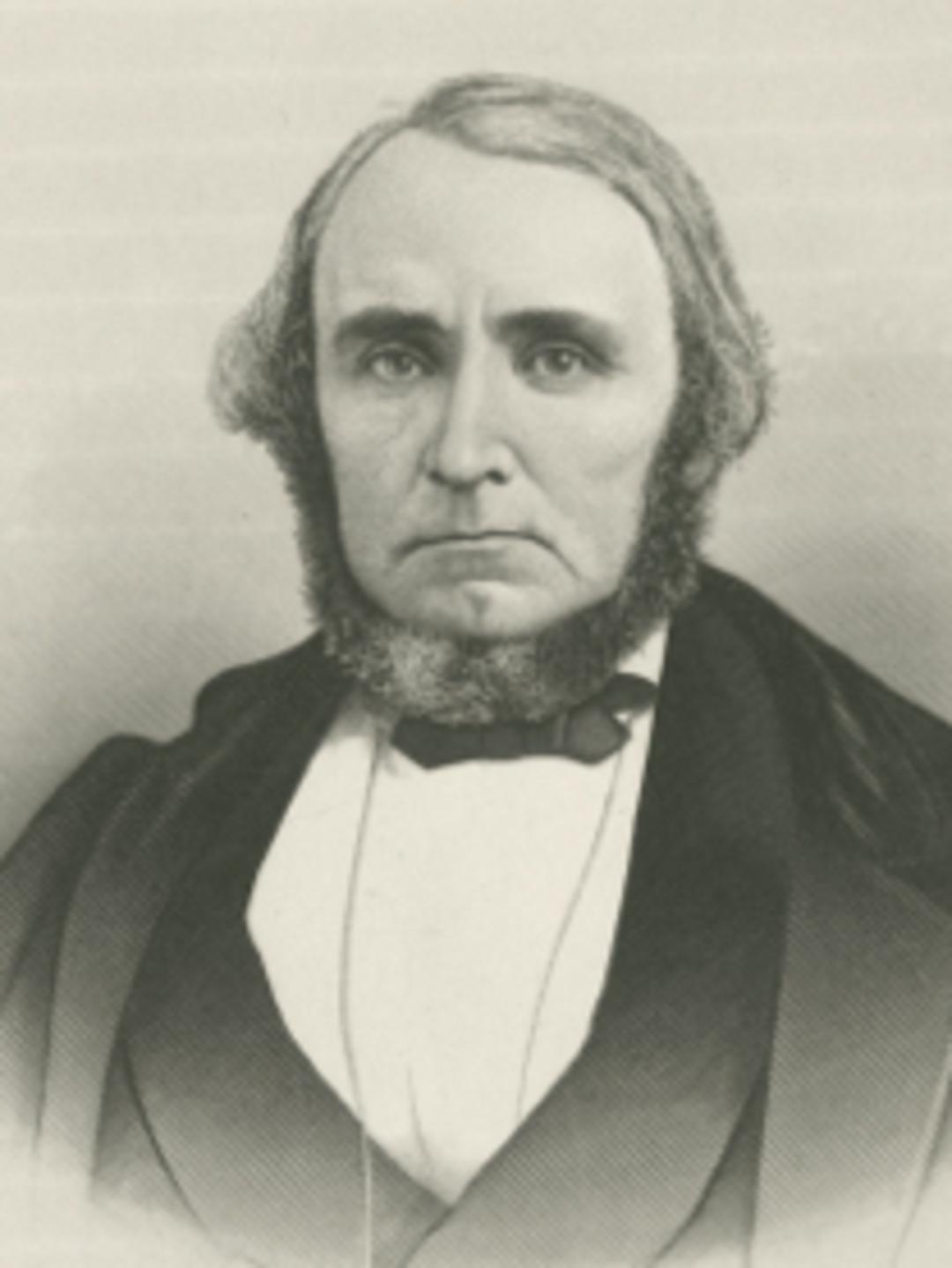
The National Portrait Gallery in Washington, DC, now features a portrait of Joseph Smith, a figure of historical and religious significance to Utah communities. This inclusion reflects decades of curation effort, underscored by Utah-specific connections to the Community of Christ and the Salt Lake Temple.
History of Smith portrait reproductions
The Rogers portrait of Joseph Smith was reproduced in 1899 for the Community of Christ, and a reproduction hangs in the bottom floor of the Salt Lake Temple. The original Rogers portrait was included in the National Portrait Gallery’s 1968 opening, following Wallace B. Smith’s 1968 loan to the institution. Lewis McInnis received the painting from Smith, and Brandon Fortune, chief curator of the NPG in 2019, reflected on the museum’s founding: ‘When the National Portrait Gallery was founded in 1962, it had no collection. During the next decade, as the museum staff gathered works by gift and purchase and transfer for the collection, they also researched available portraits of Americans who had great impact on our history and culture. Occasionally, the staff commissioned a copy of a painting in order to fill a gap when it was unlikely that the museum would ever be able to acquire an original portrait from life.’ Bob Thompson, a Washington Post journalist, explained the challenges in acquiring portraits: ‘Sometimes they [the NPG] tracked down portraits, and sometimes portraits came to them. Sometimes they scraped together money for purchases, and sometimes they pleaded for donations.’ He added: ‘The culling of notable Americans for admission to the National Portrait Gallery can feel at times like the construction of history itself: sometimes logical and fair-minded, but sometimes idiosyncratic or skewed.’
Significance of cultural preservation
The selection of Joseph Smith’s portrait by the National Portrait Gallery marks a milestone in American cultural preservation. Utah’s religious and cultural ties to the Community of Christ and the Salt Lake Temple continue to shape the broader narrative of Latter-day Saint heritage. The National Portrait Gallery’s ongoing curation reflects the enduring importance of figures who shaped history and identity, as documented in the 1968 opening and subsequent efforts to preserve legacy.