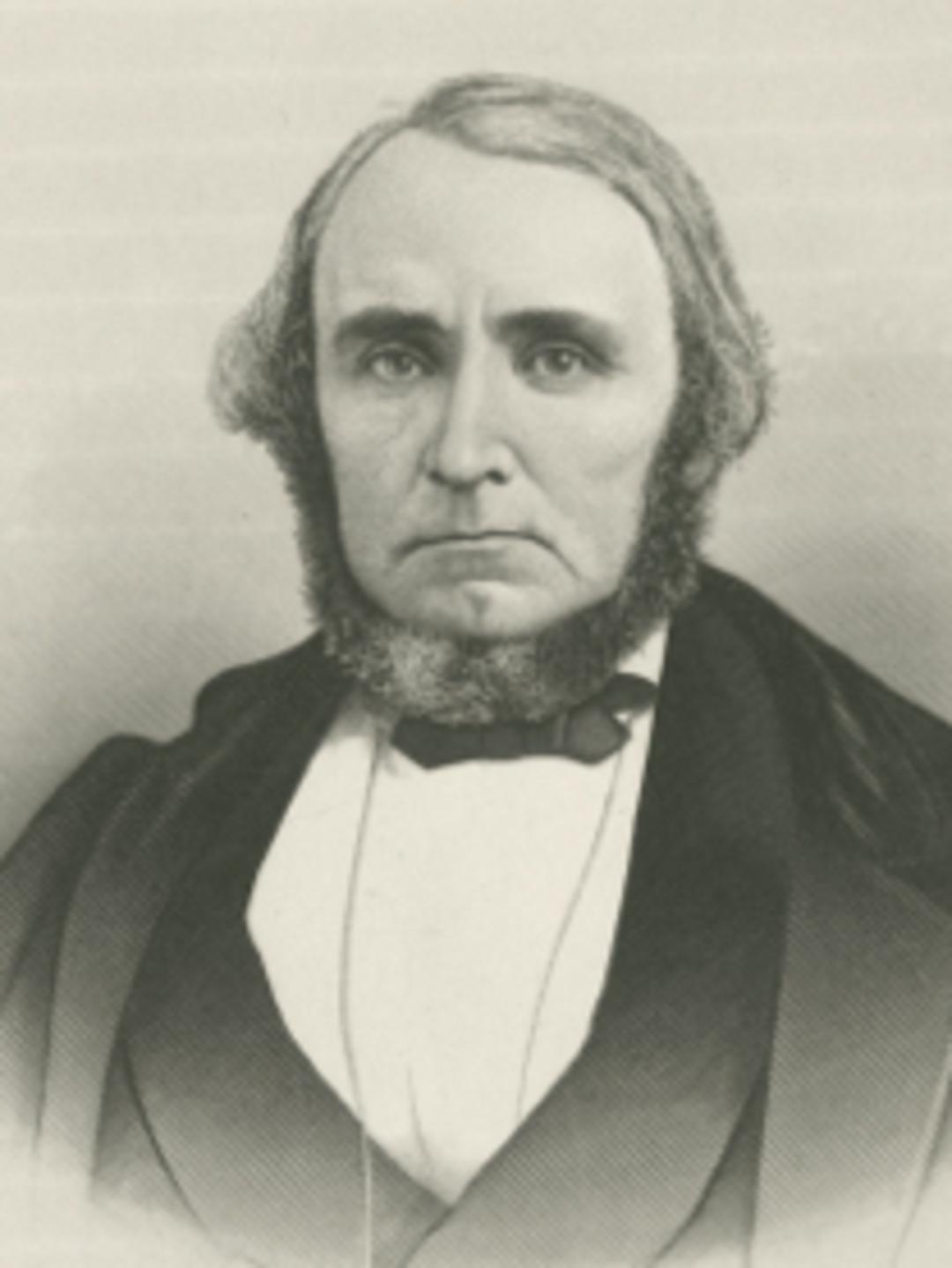
The full journals of William Clayton, the secretary and scribe for church founder Joseph Smith, are scheduled for publication in 2026 through Yale University Press. The release of the comprehensive records follows decades of scholarly debate regarding Clayton's documentation of Joseph Smith's practice of plural marriage during the Nauvoo period.
The Role of William Clayton
William Clayton is widely recognized by members of The Church of Jesus Christ of Latter-day Saints as the author of the pioneer hymn "Come, Come, Ye Saints," but historians view him as a critical figure in the early years of Mormonism. Serving as secretary and scribe for Joseph Smith, Clayton maintained a detailed diary that recorded many of the events and controversies of the Nauvoo era. His writings include records of Smith dictating passages for the faith's Doctrine and Covenants, including the specific section regarding polygamy, also known as plural marriage.
Upcoming Scholarly Publication
For more than a century, the church maintained restricted access to Clayton's journals, allowing only select scholars to study them. According to a July 22, 2026, episode of the podcast Mormon Land, the Utah-based faith intends to publish the full record next year with careful annotations. This upcoming publication through Yale University Press aims to provide a scholarly resource for the historical community.
Debates Over Historical Authenticity
The publication comes amid ongoing scrutiny from critics who question the authenticity of the journals. Some individuals have suggested that the evidence regarding Joseph Smith's involvement in plural marriage was doctored by Brigham Young and his associates to implicate Smith after his death. These critics often point to public speeches given by Joseph and Hyrum Smith, in which they denied participation in plural marriage, as evidence that Clayton's journals might constitute "revised history."
Response to Claims of Revisionism
FAIR, an organization that answers questions regarding the faith, addressed these claims in a July 25, 2025, blog post. FAIR Senior Researcher Sarah Allen stated there is no evidence that Brigham Young or William Clayton colluded to doctor official records to implicate Joseph Smith in plural marriage. Allen noted that no serious, credentialed historian agrees with the claim that Smith did not practice polygamy, citing a wealth of evidence including journal entries, letters, affidavits, and sworn witness testimony.
Journaling and Historical Standards
Regarding the methodology of the journals, Allen explained that Clayton's practice was consistent with other contemporaries like Wilford Woodruff and Willard Richards. Clayton would take notes and then copy them into his journal and Joseph's, sometimes rephrasing them or incorporating memories if they were not captured in the initial notes. While some non-historians have labeled these entries as non-contemporaneous because they were not always copied immediately, Allen asserted that they were recorded shortly after the events and met professional historical standards.
Distinctions in Early Doctrine
The debate over Smith's denials of polygamy has also been addressed by FAIR researchers. Allen explained that Joseph and Hyrum Smith, along with the Anointed Quorum, maintained strict distinctions between four different concepts: celestial plural marriage, polygamy, adultery, and "spiritual wifery." In the view of the Smith brothers, celestial plural marriage was a specific divine order for endowed, married Saints. They differentiated this from polygamy, which they viewed as a practice of Muslims and other foreigners, and from the "spiritual wifery" system concocted by John C. Bennett.
Scholarly Context of the Journals
The upcoming 2026 publication of the Clayton journals is expected to undergo the rigorous review process characteristic of Yale University Press. The volume is intended to include introductions and historical explanations similar to those found in the Joseph Smith Papers. This release is expected to provide further clarity on the day-to-day life and controversial religious practices in Nauvoo.