SALT LAKE CITY — More than half of Utah’s law enforcement agencies have failed to comply with a state law requiring them to report sexual assault case data, marking the second consecutive year a majority of agencies have missed the deadline.
Details of the reporting law
The law, passed by the Utah Legislature in 2024, requires agencies to submit data on sexual assault cases from the previous calendar year to the Utah Commission on Criminal and Juvenile Justice by April 30. That data includes how many assaults were reported and how many cases were referred for prosecution. The commission then compiles and publishes a public report intended to help lawmakers and communities better understand how sexual assault cases are handled statewide.
Previous year's compliance trends
In the first year the law took effect, compliance was initially low. As of late May 2025, only 25 law enforcement agencies — about 22% — had submitted the required data. Following reporting by KSL, compliance improved in the following weeks, eventually reaching about 65% by late June, according to the commission.
Current year noncompliance statistics
Now, in the second year of the requirement, the state is again seeing widespread noncompliance.
According to the Utah Commission on Criminal and Juvenile Justice, only 55 of 119 agencies with qualifying cases have submitted their data as of June 4 — a compliance rate of about 46%.
Legislator reaction to missing data
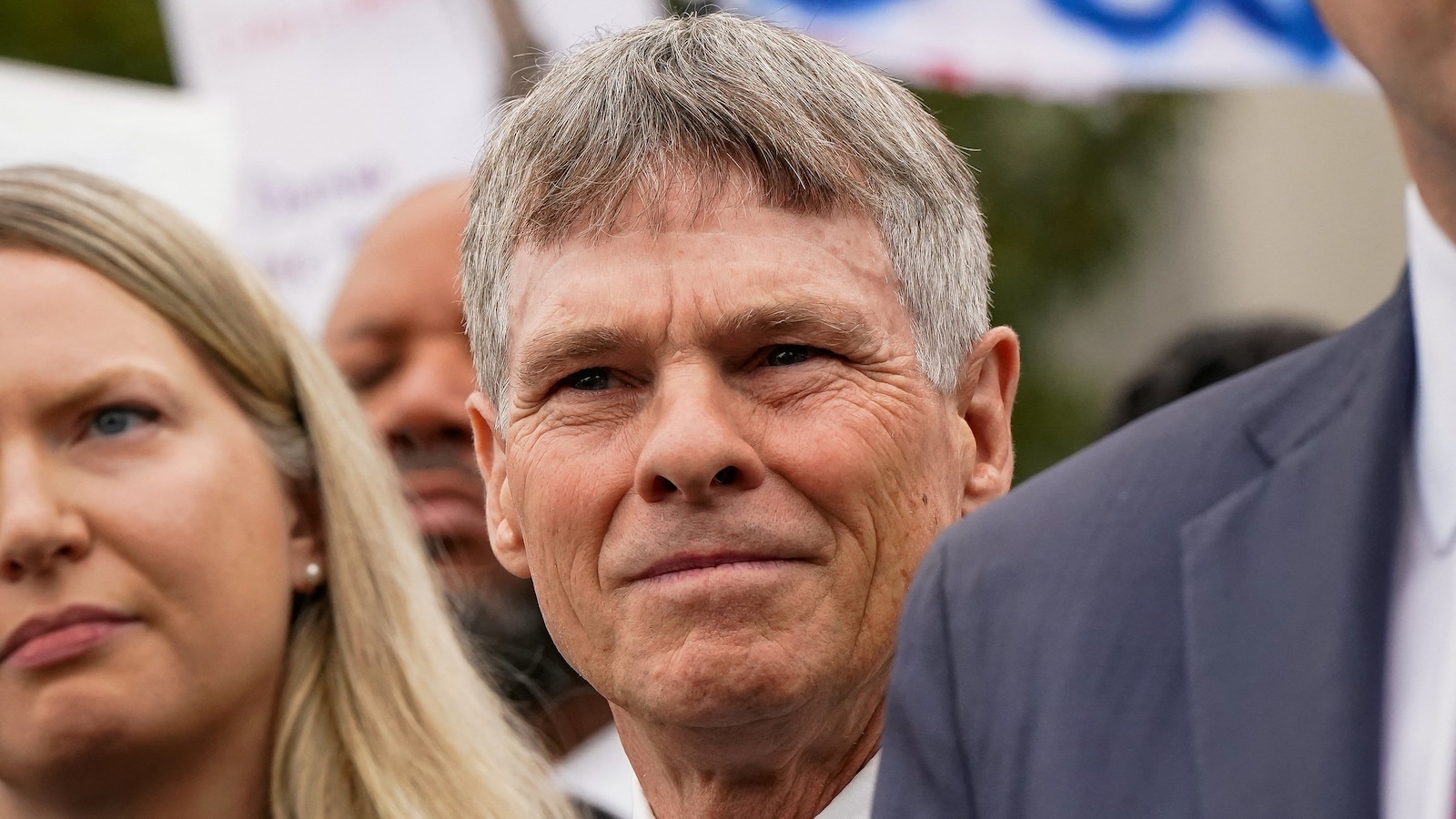
“That’s disappointing,” said Rep. Angela Romero, D-Salt Lake City, who sponsored the legislation. “There’s a reason why we want this report to happen, because as we know, sexual assault is the only violent crime that’s higher than the national average here in Utah.”
Romero said she was understanding in the first year as agencies adjusted to the new requirement. Now, she said she's feeling more frustration.
“It’s not a suggestion. It’s a requirement,” she said. “Get your data in. I’m not trying to shame anyone here, but we need that data. That’s going to help us move forward as a state and it’s going to help us identify some more best practices and what more we can do.”
The Commission on Criminal and Juvenile Justice previously indicated they work with agencies to resolve questions and improve reporting compliance.
The KSL Investigators have reported extensively on challenges in Utah when it comes to addressing sexual assault, finding in 2021 that sexual assault cases here are poorly tracked and under-prosecuted.
Importance of accurate crime tracking
The reporting law was designed to give policymakers clearer insight into how sexual assault cases move through the system — and to identify gaps or disparities between jurisdictions. Advocates have long argued that better data is key to improving outcomes for survivors.
Future steps for agency compliance
While the commission did not share which agencies have complied, Romero said she hopes to speak with some of the agencies that have not to understand what barriers may be preventing them from submitting their data.
She also expressed concern about the broader implications of low compliance among law enforcement.
“What does this tell sexual assault victims?” she questioned.
A spokesperson for the Commission on Criminal and Juvenile Justice said more agencies provided data last year after a second push for reporting by the commission, which has not yet happened this year.
Follow @KSL5TV
Like us on Facebook