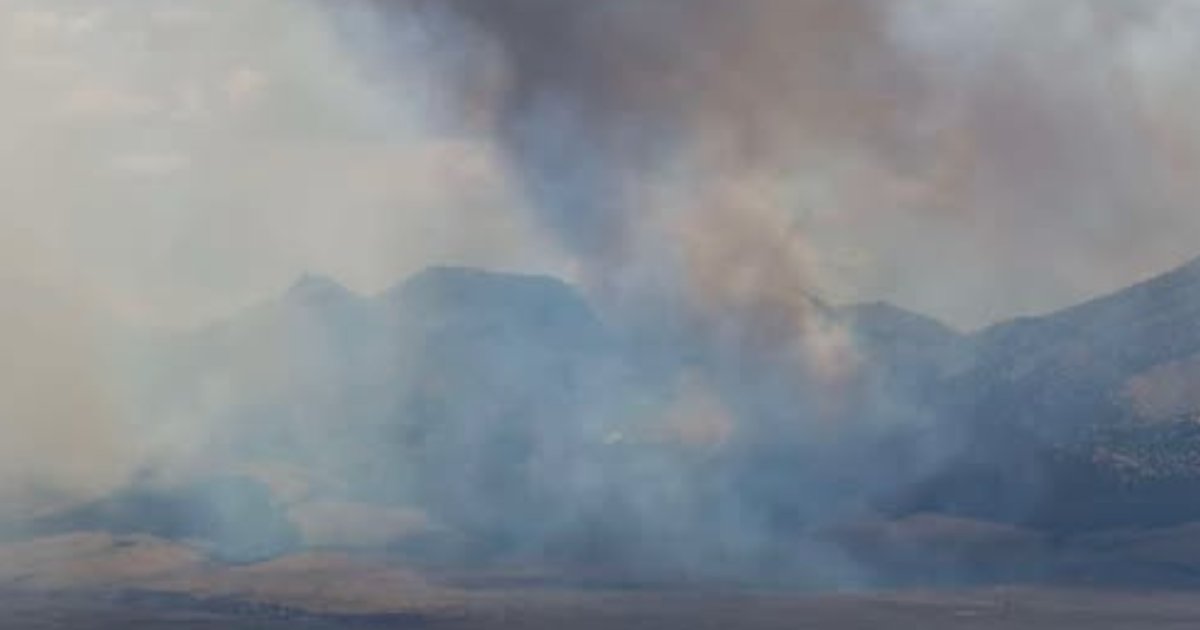
Utah is one of three states currently reporting large active wildfires as of July 24, 2026, according as the National Interagency Fire Center reports a nationwide total of 78 large fires. The increased fire activity occurs amid heightened national preparedness levels and expanding red flag warnings across much of the country.
Nationwide Fire Statistics
The National Interagency Fire Center reported on July 24, 2026, that firefighters are actively working to suppress and contain 78 large fires across the United States. This includes 15 new large incidents identified since the previous day. To combat these threats, a massive mobilization of resources is underway, with 23,151 firefighters and support personnel engaged in nationwide fire activity.
The scale of the current deployment includes 513 crews, 1,327 engines, and 153 helicopters. These efforts come as the year-to-date statistics for 2026 show a significant upward trend in fire activity compared to previous years. As of July 24, 41,779 fires have burned more than 4 million acres across the United States during the 2026 calendar year.
Great Basin Coordination
Within the Great Basin region, fire management is coordinated through several dispatch centers. The Great Basin Coordination Center (GBCC), located in Salt Lake City, serves as the primary focal point for mobilizing resources for wildland fires and other incidents throughout the geographic area. This center provides critical intelligence and predictive services used by the wildland fire community for incident management decision-making.
The GBCC oversees a complex network of dispatch centers across the region, including specialized units for Northern Utah (UT-NUC), Color Country (UT-CDC), Uintah Basin (UT-UBC), and Richfield (UT-RFC). These centers are essential for managing the movement of engines, crews, and aircraft during periods of high fire danger.
Critical Fire Weather
Weather conditions are currently playing a significant role in fire behavior and the potential for new ignitions. According to the National Interagency Fire Center, elevated to locally critical fire weather conditions are expected near and east of the Cascades and northern Sierra. In these areas, gusty west to southwest winds, low relative humidity, and recent lightning activity are supporting both new fire starts and the growth of existing large fires.
In the Southwest and Great Basin, thunderstorms continue to move through the region. These storms are bringing activity to many areas that have recently experienced hot and dry conditions. Similarly, in the southern High Plains, breezy conditions combined with low humidity and high temperatures are supporting elevated fire weather, where isolated mixed wet and dry thunderstorms could lead to new starts.
Statewide Fire Totals
The threat of wildfire also extends to the Northwest Geographic Area, which currently contains 37 large fires and continues to identify new starts. Other states reporting large active fires include Oregon with 25 incidents, Colorado with eight, California with eight, Washington with six, Minnesota with six, Idaho with five, Florida with four, Louisiana with two, North Carolina with one, Wyoming with one, Virginia with one, South Carolina with one, and Montana with one.
In California specifically, the National Interagency Fire Center is tracking eight large fires covering 97,638 acres. Notable incidents include the Biscar fire in the Northern California District, which covers 69,344 acres, and the Elephant fire in the Tahoe National Forest, which spans 13,930 acres.
Public Prevention Efforts
As the summer season progresses, official agencies are emphasizing public vigilance and fire prevention. The National Interagency Fire Center issued reminders regarding vehicle maintenance to prevent dangerous wildfires, noting that sparks from poorly maintained vehicles can ignite dry vegetation. Officials also advised that any chains used for towing must be secured to prevent dragging, and that vehicles should be parked on pavement rather than vegetation.
Additionally, the Utah Fire Info official page reminded residents during the Pioneer Day period to stay informed about local fire and fireworks restrictions. The agency encourages citizens to use official resources like UtahFireInfo.gov or their social media platforms to stay updated on active wildfires, fire restrictions, and project work.
Current Preparedness Level
With the National Preparedness Level remaining at 5, the intensity of fire activity across the country remains high. As long as low humidity and gusty winds persist in the West, fire management agencies will continue to monitor for new starts and manage the expansion of the 78 large fires currently active across the United States.