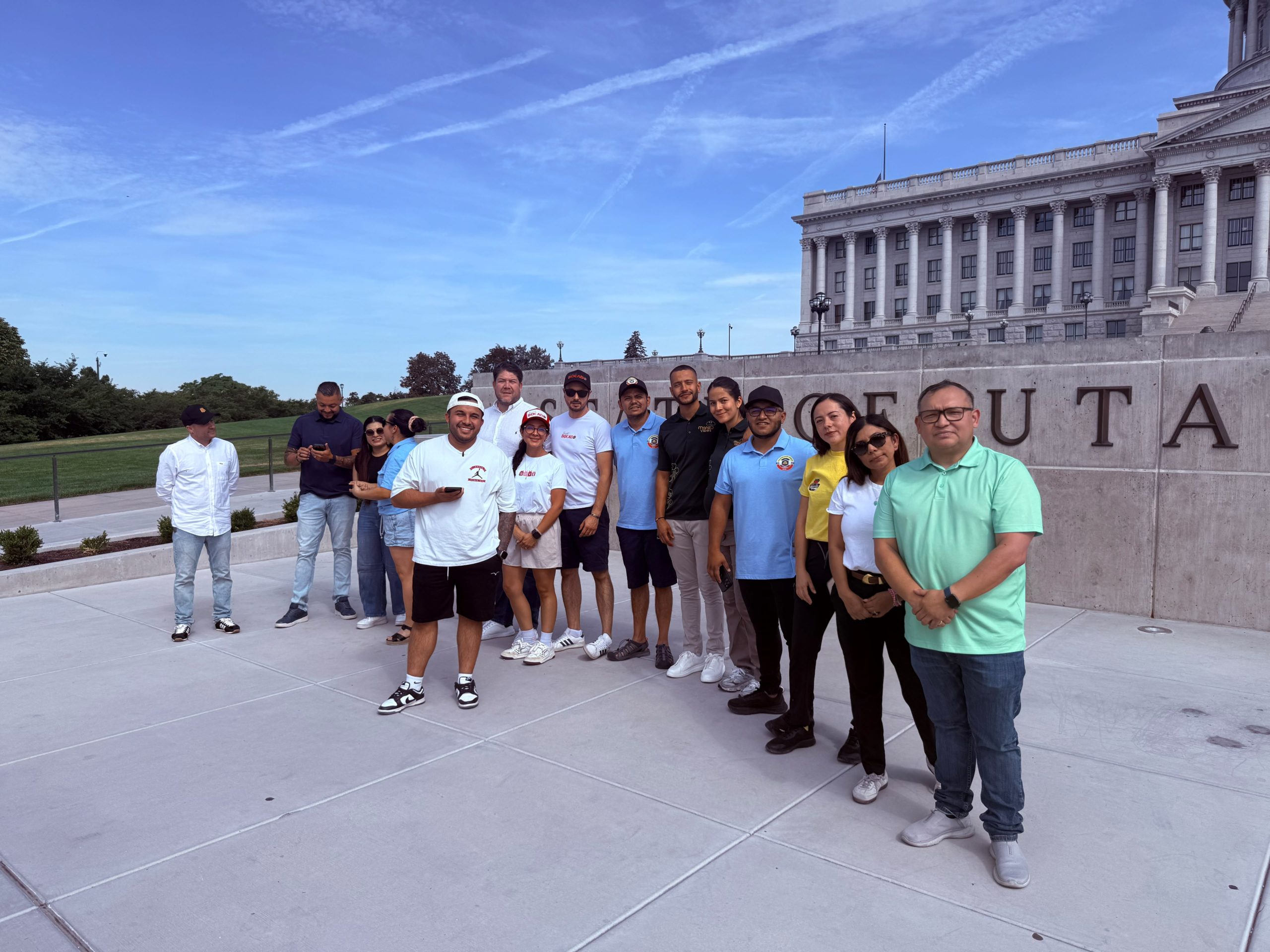
A massive 7.4 magnitude earthquake struck western Colombia on Aug. 10, 2026, causing widespread damage and potentially impacting millions of people, according to the U.S. Geological Survey. The seismic event, which occurred at a depth of approximately 110 kilometers, has prompted a massive humanitarian response, including a solidarity gathering of Latino community leaders at the Utah State Capitol to support affected families.
Seismic Details and Impact
The earthquake, which occurred at 12:34:28 UTC on Aug. 10, 2026, was centered 5 kilometers south of San José del Palmar. The U.S. Geological Survey identified the event as a potential mainshock within an earthquake sequence and noted that the tremor resulted from strike-slip faulting within the South America subduction zone. The agency assessed a high likelihood of widespread damage and casualties, noting that approximately 10.5 million people experienced shaking ranging from strong to very strong.
Geological Mechanisms
Geological analysis indicates the earthquake occurred due to the eastward subduction of the Nazca plate beneath the South America plate. The focal mechanism solutions suggest the rupture took place on either a steeply-dipping oblique reverse and left-lateral strike-slip fault or a moderately-dipping largely right-lateral strike-slip fault. Because of the 110-kilometer depth, the event likely occurred within the subducting Nazca plate. The U.S. Geological Survey warned that aftershocks, some potentially with strong shaking, may follow the initial event.
Utah Community Mobilizes
In the wake of the disaster, the Latino community in Utah mobilized to provide relief. On Tuesday, Aug. 12, 2026, organizations, community leaders, and residents gathered at the Utah State Capitol to express solidarity with the families affected by the earthquake. The meeting brought together representatives from various Latin American communities, including Venezuelans, Ecuadorians, Peruvians, and Mexicans, to support the victims in Colombia.
Humanitarian Aid Efforts
Under the campaign titled "Utah Unido por Colombia," organizers aimed to expand a support network and generate new aid initiatives. Participants emphasized that the distance between the two nations does not prevent solidarity during a major national emergency. The movement seeks to maintain focus on the families facing the crisis while emergency teams continue their response efforts.
Direct Relief and Support
To ensure aid reaches those in need without intermediaries, organizers in Utah recommended that donors contribute directly through the official channels of the Colombian Red Cross. The organization has already activated its response mechanisms, mobilizing personnel and resources to address the needs of the most affected areas. Beyond financial contributions, the campaign encourages the community to share verified information to help others find secure ways to provide assistance.
A Message of Solidarity
The gathering at the Utah State Capitol served to reinforce unity among the various Latin American communities living in the state. As emergency teams in Colombia continue search, rescue, and medical attention efforts, the message from the Utah community remains: "Colombia no está sola" (Colombia is not alone).
Ongoing Response
The earthquake on Aug. 10, 2026, has caused significant disruption in western Colombia. While the U.S. Geological Survey continues to monitor the region for aftershocks, the international community and local groups like the one in Utah continue to prioritize humanitarian assistance and information dissemination.