SALT LAKE CITY — It turns out a Sunday spent at church might do more than just leave you feeling uplifted in the moment; it could set you up for a better week, and a better life. A recent report from the Wheatley Institute took a closer look at the link between faith and happiness. Results showed that people who are religiously involved tend to have better mental health and higher overall happiness.
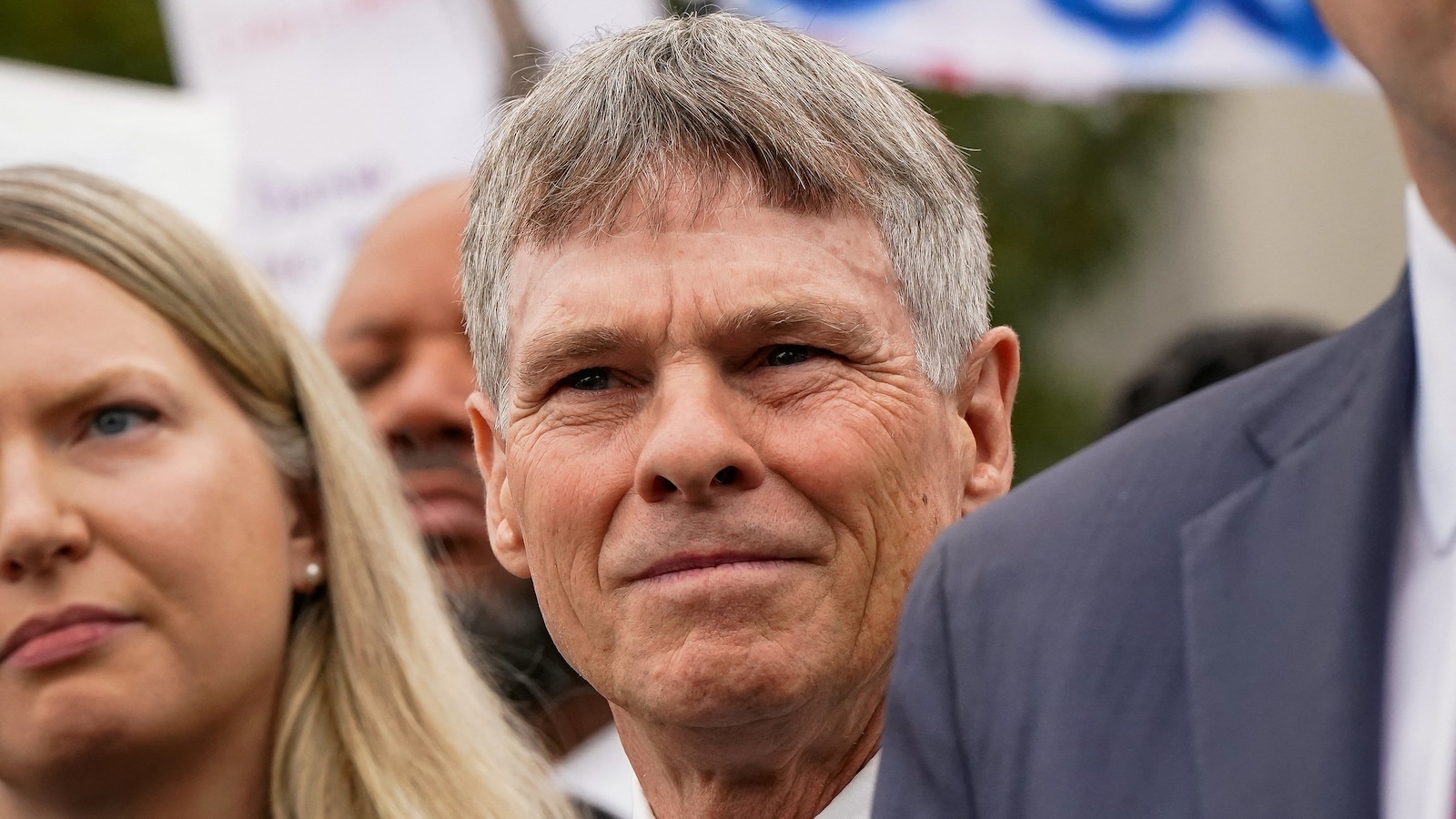
Shima Baughman, a law professor and a Distinguished Fellow at the Wheatley Institute, gave more insight on the study.
Research methodology and findings
Baughman explained how the research came together, pointing to a comprehensive review led by her colleague Loren Marks. Baughman said the question that was thrown around during research was how many of the studies about religion and health are positive for religion versus being negative.
After spending a year analyzing high-quality studies, she said the findings were striking. Baughman said researchers were “blown away” by the results, emphasizing just how consistent the data was across multiple categories.
Impact on stress reduction
One of the clearest takeaways from the report is the relationship between religion and reduced stress. Across more than 100 studies examining stress, the vast majority showed a positive effect.
Baughman highlighted that “the overwhelming majority show that people had less stress when they were, had religion as part of their mental health healing.” She added that these findings come from medical studies, not religious studies.
With nearly 90% of those studies pointing in the same direction, the data suggests that religious participation may play a meaningful role in managing everyday stress.
Benefits for anxiety and depression
The benefits outlined in the report extend well beyond stress. Baughman said the research shows similarly strong outcomes when it comes to anxiety and depression and people regularly attending a worship service.
What Baughman found striking was the correlation between addiction and regularly attending church.
“The most amazing was addiction … it’s like 93% were showing that the addiction was just so much less likely to be a problem if you regularly went to church,” she said.
It’s natural to wonder whether these benefits are simply the result of social interaction, or something that could be replicated through clubs, teams or other group activities. But the research suggests otherwise.
Baughman addressed that question directly, noting that while community matters, faith-based engagement offers something distinct. “People think that, well, it’s just a social interaction … and it’s actually not,” she said.
She pointed to findings from a large international study that compared religious participation with other types of group involvement.
“Social clubs, mahjong groups, sports clubs, political groups, that’s not going to give you the same effect as active religious engagement,” she explained.
The report also examined suicide, and the correlation between attending church.
According to the study, 89% found lower suicidality among the more religious. One major study followed nearly ninety thousand women and found that weekly worship attenders were 84% less likely to die by suicide over fifteen years compared to women who never attended services.
Baughman acknowledged that staying engaged in a religious community can be difficult for those struggling with mental health challenges but emphasized its importance.
“Religion is part of the solution … it’s a kind of part of the, a holistic solution on helping with your mental health,” she said.
Even for those who may feel hesitant, she encouraged being persistent.
“If you’re having a hard, hard time, you should just try to keep going,” she noted.
Baughman explained that continued engagement can still offer meaningful support.
Looking ahead, Baughman hopes the findings will inspire broader conversations, especially among policymakers and health care leaders.
Baughman also emphasized the importance of inclusivity across different beliefs. “Let’s consider different interdenominational, right, all faiths, not just one, but let’s think of all the faiths as a possible partner for people struggling with mental health,” she explained.
This story was adapted from a TV broadcast script using artificial intelligence. Every story, including those adapted with AI, is reviewed by a human editor before publication to ensure that KSL's editorial standards are upheld.