A significant watershed restoration effort has targeted the control and containment of Phragmites and invasive weeds across northern Utah Waterfowl Management Areas (WMAs) for fiscal year 2025. Managed by the Utah Division of Wildlife Resources (DWR), the project addressed invasive species on State Sovereign Lands around the Great Salt Lake, at the Bear River Migratory Bird Refuge, and along waterways in Cache and Box Elder counties.
The initiative focused on reducing monotypic stands of Phragmites, which can limit wildlife access to feeding and nesting areas. Beyond Phragmites, the effort controlled other invasive species including Perennial Pepperweed, Dyers Woad, Hoary Cress, thistle species, Poison hemlock, Saltcedar, and Cattail.
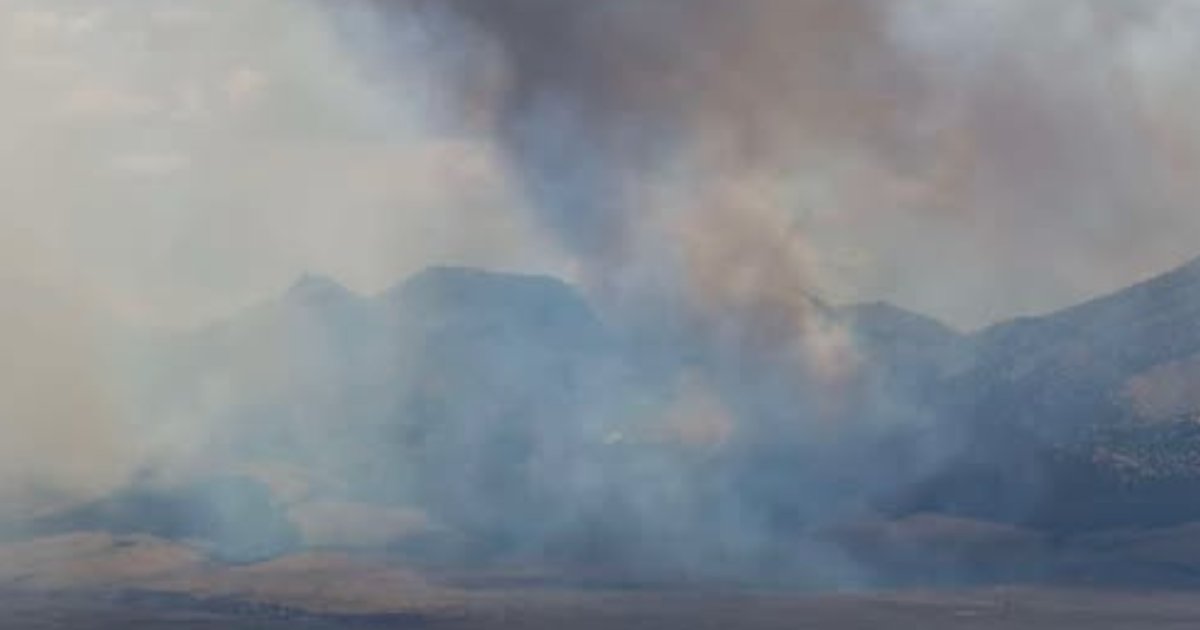
Treatment methods were diverse, involving aerial application of glyphosate by Hammond Helicopter across over 4,000 acres at various WMAs. Ground herbicide applications covered an additional 2,845 acres. Mechanical efforts included mowing and trampling by contractors and DWR personnel to remove dead biomass and encourage native species growth. Additionally, prescribed burns were conducted at Ogden Bay, Howard Slough, and Salt Creek WMAs with assistance from Forestry, Fire, and State Lands (FFSL) and local fire departments.
The project also utilized livestock grazing on over 10,520 acres at Farmington Bay, Howard Slough, Ogden Bay, and Harold Crane WMAs. Grazing was used to manage areas during drought periods when herbicide application is less effective and to help reduce Phragmites seed production.
Revegetation efforts included the use of Saltgrass seed, which was cold stratified for at least 30 days before being broadcast in suitable areas. While some seeding efforts were impacted by extremely dry conditions this year, ongoing monitoring of revegetation techniques continues through a partnership with Utah State University (USU).
The project's objectives included protecting wildlife resources, reducing fire hazards, and maintaining the functionality of Utah's premier wetlands. As the Great Salt Lake recedes, officials noted that managing barren mudflats is critical to preventing further Phragmites expansion. Future management will shift toward a maintenance mode, focusing on treating patches of invasive species to preserve habitat for waterfowl, shorebirds, and wading birds.