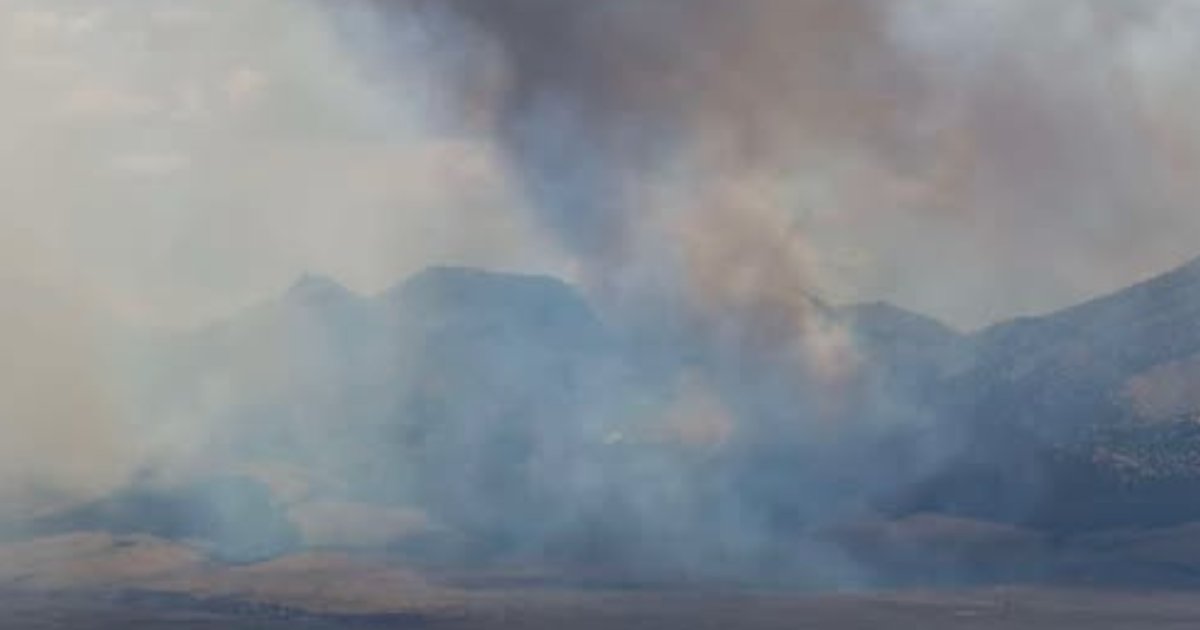
High winds, low humidity, and dry vegetation have created dangerous fire conditions across Utah, prompting statewide warnings of elevated fire danger. As hot temperatures persist, officials are simultaneously monitoring moisture moving into southern and central Utah that could trigger new flash flooding threats.
Elevated Wildfire Risks
Statewide fire danger remained high as of July 2026, driven by a combination of strong winds and low relative humidity. These environmental factors, paired with hot temperatures and dry vegetation, have established a highly combustible landscape across the state.
This period of high risk follows recent significant fire activity in several Utah communities. In Weber County, a fast-moving grass fire recently ripped through a neighborhood near the Roy Frontrunner Station. The blaze caused damage to multiple homes and forced residents to take emergency measures to protect their own properties.
St. George Fire Incidents
In St. George, recent fire incidents have left residents without housing. An apartment fire at the Bella Vista complex rendered 20 units uninhabitable, forcing tenants to seek emergency housing and attempt to recover belongings from the damaged structures.
St. George police released bodycam footage documenting the rescue of residents, including children and pets, from a burning apartment building during the incident. Additionally, firefighters previously responded to North Dixie Downs Road in St. George, where at least five homes caught fire in a neighborhood blaze.
Fireworks and Liability
The current period of high fire danger comes after Governor Spencer Cox issued a plea for Utahns to avoid using personal fireworks during the Fourth of July period due to wildfire concerns. The Governor urged residents to stick to professional displays, though he noted that the state lacks the legal authority to implement a total ban on personal fireworks.
This call for caution coincided with legal debates regarding liability. Leaders in at least two Utah cities that permit personal fireworks during the holiday weekend stated their communities hold no liability for damages caused by such activities, though legal experts have questioned those claims.
Flash Flood Threats
While fire remains a primary concern, weather patterns are also introducing hydrological threats. Moisture moving up from the south has been identified as a catalyst for potential flash flooding in southern and central Utah.
Forecasts indicate that scattered thunderstorms moving through these regions could lead to sudden rises in water levels. This follows a period of significant community impact in Mona, where residents recently rallied around the sole survivor of a family killed during previous flash flooding events.
Ongoing Weather Monitoring
As temperatures continue to fluctuate between the 80s and high 90s across the region, emergency management remains focused on both fire mitigation and flood preparedness. The combination of extreme heat, wind-driven fire potential, and incoming storm moisture presents a complex challenge for Utah's environmental safety officials.