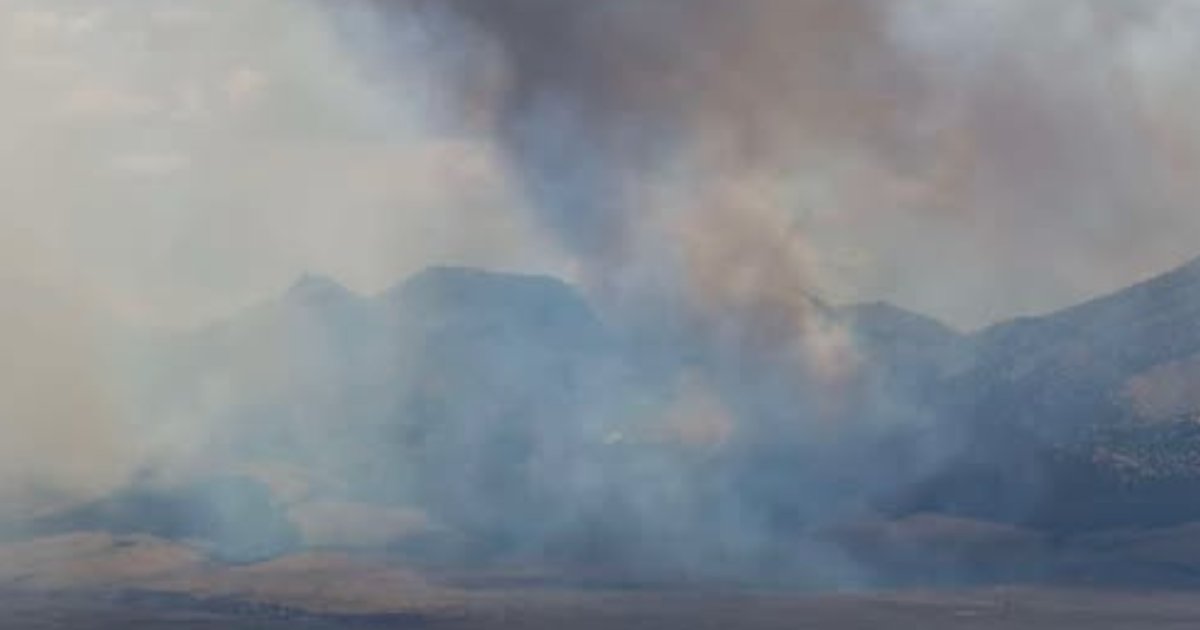
SALT LAKE CITY — Rising June temperatures have contributed to a deepening drought in Utah, leading to accelerated drying of soils and vegetation. The state has already seen over 230 fires so far this year, the majority of which were caused by humans.
Rising wildfire activity in Utah
Increased fire activity was noted over the past week, including two fires that exceeded 1,000 acres. Low fuel moisture in sagebrush and light grasses, combined with red-flag winds, has been a driving factor behind recent wildfire activity.
New Stage 1 fire restrictions
Due to these conditions, Stage 1 fire restrictions took effect on June 5 in Beaver, Garfield, Iron, Kane, and Washington counties. Officials are urging residents to use extreme caution with ignition sources.
Declining reservoir and lake levels
Reservoir storage is currently averaging 68% full, which is 7% lower than the normal for this time of year and 18% lower than last year. Many Utah state parks are seeing extreme lows in water levels, sometimes forcing the closure of boat launch ramps to protect visitors and property.
Lake Powell remains at a very low 24% capacity. According to the June 1 Water Supply Outlook Report for Utah, the only other years when the June 1 value was lower occurred during the mid to late 1960s.
Impacts of early snowmelt runoff
Water systems are experiencing impacts from early runoff. In the Bear River basin, streamflows remain higher than in 2021, though much of the runoff arrived early due to warm spring temperatures. The Upper Provo River has also seen accelerated snowmelt, with water managers expecting flows to decline.
Challenges for Utah agricultural producers
In the Upper Duchesne River, conditions are comparable to or more challenging than the 2021 drought year. While deliveries in the Upper Sevier River remain above 2021 levels, they reflect an early runoff season that is expected to face reductions as summer demand increases.
Agricultural producers are facing pressure as seasonal water supplies tighten. The Utah Department of Agriculture and Food is encouraging farmers to use water-efficiency strategies, such as monitoring soil moisture and optimizing irrigation schedules.
Drought-driven wildlife migration risks
Additionally, extreme drought may cause wildlife to migrate into neighborhoods seeking food and water. DWR officials discourage feeding wildlife due to public safety and disease concerns, suggesting that homeowners use 8-foot fences or motion-activated sprinklers to protect gardens from deer.