The University of Utah and the U.S. Army Reserve finalized a historic land transfer on Aug. 8, completing the acquisition of the final 50 acres of historic Fort Douglas. The completion of the transfer follows the relocation of military units to a new $127 million headquarters at Camp Williams in Bluffdale, marking the end of a process decades in the making.
Commemorating a Historic Legacy
The transition concluded with a day-long celebration on Aug. 8, which began at 9 a.m. with a ceremony at Fort Douglas's Soldier Field. According to the University of Utah, the event commemorated the fort's unique history, spanning from its founding through two world wars to the present day. The celebration included a ceremonial flag folding, a luncheon, a time capsule burial, and a tour of the new Army Reserve facilities.
Modernization at Camp Williams
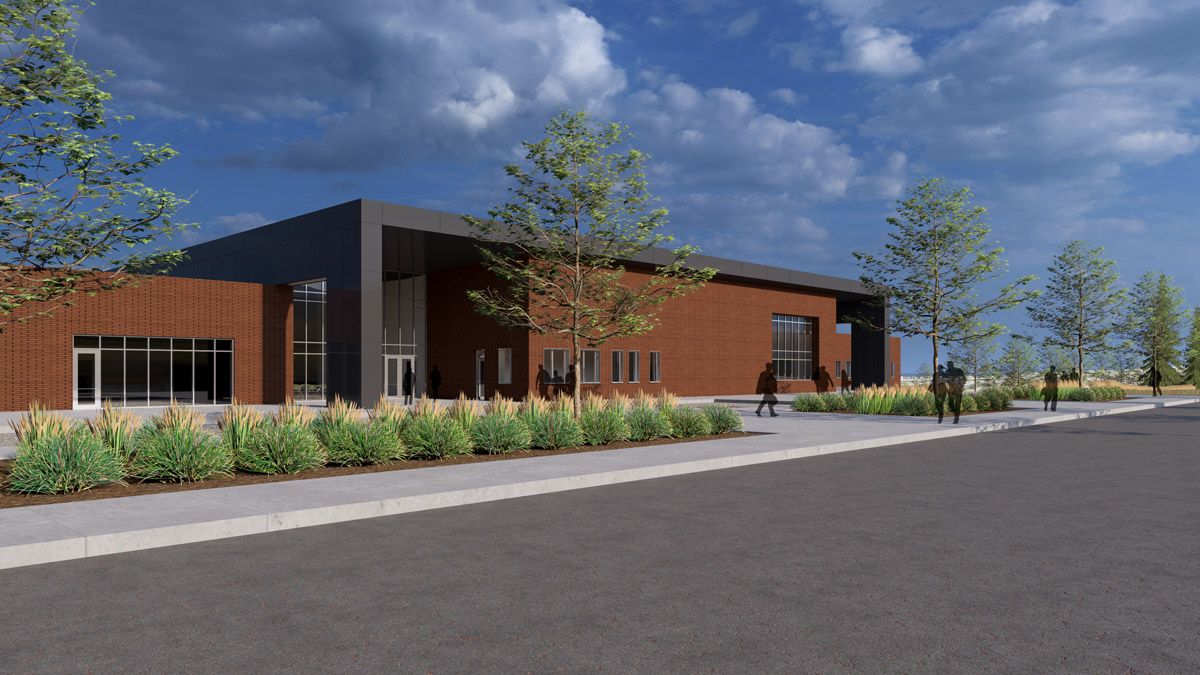
The relocation of Army Reserve personnel and units was completed on June 19, following the opening of the new 227,000-square-foot headquarters at Camp Williams in June. This new facility, designed by Elliott Workgroup and built by Jacobsen Construction, includes five buildings such as administrative offices, storage, and a vehicle maintenance shop. The project took 25 months to complete, involving 45 subcontractors and 72,423 worker hours. The new site is 31.9 acres and was selected to replace outdated infrastructure at Fort Douglas, where some buildings were more than 100 years old.
State and Federal Collaboration
The complex transfer required legislative and executive action from the Utah State Legislature, the Utah Governor's Office, and the U.S. Congress. Using state funding, the university constructed the $127 million state-of-the-art center to clear the way for the military to vacate the remaining acres east of the university campus. Utah is the only state to fund such a military relocation, according to the University of Utah. Utah Senate President J. Stuart Adams noted that the partnership strengthens national defense and provides soldiers with modern resources.
Century of Land Transfers
The University of Utah president, Taylor Randall, stated that the university owes much of its history and future to the fort. Founded in 1862 to defend the western frontier, the fort once stretched over 10,500 acres from 900 South to 6th Avenue and from 1300 East to the mouth of Emigration Canyon. Over the past 126 years, the university has acquired 1,534 acres from the military, including land used for Utah Athletics facilities, the Natural History Museum of Utah, Red Butte Garden & Arboretum, the Research Park, university teaching buildings, and U of U Health facilities. Following the USAR relocation, the remaining 50 acres will be used for future campus development.
Preserving Historic Significance
The entire Fort Douglas property is listed on the National Register of Historic Places and the Utah State Historic Register. According to the National Park Service, the National Register is the official federal list of properties significant in American history, architecture, archaeology, or engineering. The Fort Douglas district, which has periods of significance dating back to 1850, is a resource type classified as a district. The Utah Office of Historic Preservation will provide guidance for the development of the fort property, as federal preservation laws will guide the renovation process.
Museum and Cemetery Stewardship
The Utah Military Museum at Historic Fort Douglas continues to serve as a repository for the region's military heritage. The museum is dedicated to preserving the stories of the State of Utah and honoring the service of veterans. The museum remains open Wednesday through Saturday from 10:00 a.m. to 4:00 p.m., though it is temporarily closed from July 29 to October 18. The Army Reserve will continue to operate the museum and will manage the fort's military cemetery on Chipeta Way.
Impact on Military Operations
The relocation impacts significant military commands, including the 76th Operational Response Command, which coordinates Defense Support of Civil Authorities during emergencies. This command includes 62 units and over 6,300 soldiers and civilians. Additionally, the 807th Medical Command (Deployment Support), the largest medical command in the Army Reserve, manages deployable field medical units across 26 states, comprising over 10,000 soldiers and civilians.