The University of Utah and the U.S. Army Reserve have finalized a historic agreement to transfer the final 50 acres of Fort Douglas to the university, a move tied to the construction of a new $100 million headquarters at Camp Williams. The agreement, announced on Aug. 19, 2024, follows a long-standing relationship between the university and the military that dates back to 1862.
New Military Headquarters
The relocation of the U.S. Army Reserve from the foothills of Salt Lake City to Bluffdale marks a significant milestone in Utah's military and educational infrastructure. Under the terms of the deal, the university will receive the last remaining tract of Fort Douglas land, a 50-acre site bounded by Mario Capecchi Drive to the west and Foothill Drive to the south.
To facilitate this transfer, the Utah Legislature allocated more than $100 million to fund the development of the new U.S. Army Readiness Center at Camp Williams. According to University of Utah President Taylor Randall, the transfer allows the university to "dream big" about campus expansion and its role in the future of education and the state's economy.
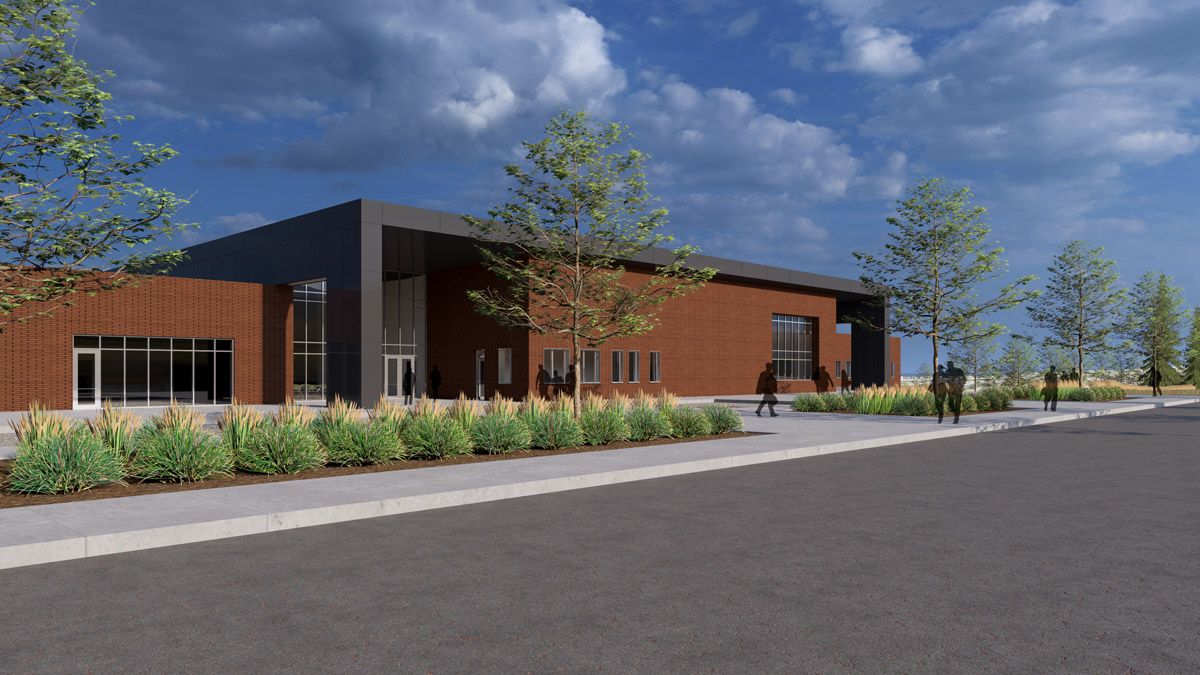
The new facility at Camp Williams will span 31.9 acres and feature a 220,000-square-foot building designed to include administrative offices, storage, and a separate vehicle maintenance shop. The project is expected to take a minimum of four years from the time of funding and notice to proceed.
Investment in Readiness
The new U.S. Army Readiness Center is slated to open in the spring of 2026. This development follows a groundbreaking ceremony held on Aug. 19, 2024, at Camp Williams. The relocation is intended to provide modern, secure facilities that offer room for future expansion, addressing the outdated infrastructure currently found at the 50-acre Douglas Armed Forces Reserve Center (AFRC) at Fort Douglas.
Utah Governor Spencer Cox noted that the historic appropriation and land transfer demonstrates the state's dedication to service members. Utah is currently the only state in the nation to fund such a military relocation.
Senate President J. Stuart Adams stated that the investment in infrastructure and facilities will strengthen national defense and ensure that servicemen and women have the best possible resources for their duties. The relocation is expected to improve operational synergy with the Utah Army National Guard.
A Century of Expansion
The relationship between the University of Utah and the military has been an integral part of the institution's growth for over a century. The university's first 60 acres of Fort Douglas land were acquired in 1898, following the end of the Spanish-American War, two years after Utah achieved statehood. At that time, the university, then known as the University of Deseret, lacked a permanent home.
Over the decades, the university has absorbed land from various federal entities, including the U.S. Forest Service, the Bureau of Land Management, and the U.S. Army. In total, 1,534 acres have been transferred to the university over the last 126 years. This land has been used for various purposes, including athletics facilities, the Natural History Museum of Utah, Red Butte Garden, the Research Park, and various university buildings and student housing.
Other institutions built on former Fort Douglas land include This is the Place State Park, Shriner’s Hospital, the Veterans Administration Hospitals and Offices, Hogle Zoo, the LDS Institute of Religion, Mount Olivet Cemetery, the Utah National Guard Armory on Guardsman Way, the Carmen B. Pingree Autism Center of Learning, and the Rowland Hall School.
Historic Legacy
The history of Fort Douglas is deeply intertwined with the settlement of the West. The fort was established in 1862 when the Third Regiment of the California Volunteers arrived in Utah. While some local stories suggest an uneasy relationship between the soldiers and the pioneers—such as an apocryphal tale of a cannon aimed at the Lion House downtown—the fort's presence ultimately protected more than 10,500 acres from development until the early 20th century.
The fort was declared a National Historic Landmark in 1975 for its role in the Civil War and the settlement of Utah. While the university is set to develop the remaining 50 acres for research labs, health sciences, student housing, and recreational spaces, the federal government will continue to maintain the fort's cemetery. Additionally, the National Guard will be responsible for managing the fort's museum.
As the military shifts its focus, the 76th Operational Response Command—which coordinates emergency responses for 62 units and over 6,300 personnel—and the 807th Medical Command (Deployment Support) will benefit from the modern facilities at the new site.
Future Campus Plans
The transition from the foothills to Camp Williams represents a modernization of military operations in Utah. The U.S. Army Reserve Installation Management Division director, Col. Martin Naranjo, noted that the new site offers a more efficient and accessible training environment.
Following the relocation of the Army Reserve, the University of Utah plans to utilize the historic Fort Douglas property for campus development projects, aiming to create what officials call "college town magic" through enhanced research and residential spaces.