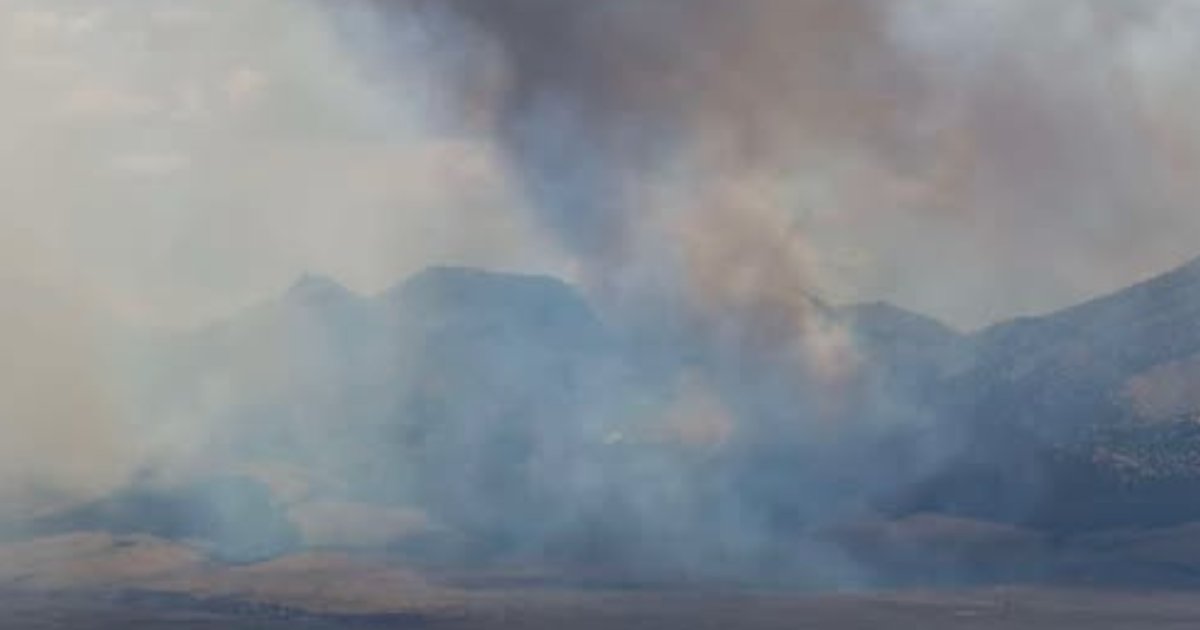
The Bonneville Fire has reached 84% containment after burning an estimated 566 acres in the steep terrain near Salt Lake City, according to a June 24 report from the WildFire Explorer. The fire, which ignited on the evening of June 20, 2026, pushed through dry grass and oak near the University of Utah hospital facilities before crews established a perimeter around the blaze.
Fire Origin and Spread
The fire was officially reported on June 21, 2026, having started at approximately 5:55 p.m. the previous evening near 1950 E. Circle of Hope Drive. The initial burn was rapid, with the fire expanding to 200 acres within just a few hours as it climbed toward the crest of Mount Van Cott. According to the report, the blaze spread through a combination of dry grass, brush, and oak vegetation.
While the fire's behavior has recently been described as minimal—mostly creeping and smoldering in the understory of larger vegetation—the impact on the local environment was notable. The fire threatened the University of Utah Hospital and the Huntsman Cancer Institute early in its development, though structure protection crews successfully defended the medical facilities and campus buildings.
Incident Management and Containment Progress
A unified command structure is currently managing the incident, involving the Salt Lake City Fire Department, Utah Forestry, Fire and State Lands, the U.S. Forest Service, and University Police. The response is being managed by the Northern Utah Type 3 Incident Management Team.
Firefighters have successfully constructed a fire break around the entire perimeter of the burn area. As containment levels increase, officials noted that resources are being released to assist with other fire-related needs across the state. Despite the progress in containment, the National Interagency Fire Center (NIFC) indicates that the fire was caused by human activity, though the specific cause remains under investigation.
Evacuation Orders and Safety Status
Emergency orders related to the fire have largely been rescinded. A previous evacuation warning for the Arlington Hills neighborhood, which spanned from 11th Avenue to Tomahawk Drive, was lifted on Monday, June 22. Additionally, an initial shelter-in-place order issued for University of Utah students was lifted shortly after the fire's inception.
As of the latest updates, there are no mandatory evacuation orders in place and zero people are currently under evacuation warnings. There have been no reported injuries or fatalities among either civilians or firefighting personnel, and no structures have been destroyed by the flames.
Current Area Closures and Restrictions
Despite the reduction in active threats to homes, significant infrastructure and recreational closures remain in effect. The public is urged to avoid the area near Red Butte Canyon Road and Tomahawk Drive to prevent obstructing firefighter traffic. Several local trails are strictly closed due to the presence of internal hot spots, including the Bonneville Shoreline Trail, City Creek Trail, Dry Creek Trail, and Red Butte Trail.
Drone Use and Flight Restrictions
A Temporary Flight Restriction (TFR) is also active over the fire area. Law enforcement will strictly prohibit the use of drones in the vicinity to ensure aerial safety.
The rapid spread of the Bonneville Fire was exacerbated by extreme environmental conditions. Utah had declared a drought emergency earlier this year following a warm winter and record-low snowpack, which caused vegetation to dry out a\nmonth earlier than usual. These tinder-dry conditions, combined with hot, dry weather and low humidity, facilitated the fire's initial growth.
While no power outages have been reported, smoke from the blaze has settled into the Salt Lake Valley, impacting local air quality. Officials advise residents with respiratory conditions to remain indoors and monitor air quality indexes.
Fire managers expressed confidence in reaching full containment soon as crews continue to strengthen fire lines and mop up internal heat pockets. However, officials warned that the public should remain cautious; while the perimeter is contained, internal pockets of heat remain dangerous.
Nearby attractions, including Red Butte Gardens and the Natural History Museum of Utah, remain open, though visitors are advised to take extra precautions. The University of Utah also remains operational.