Utah is grappling with a significant surge in wildfire activity across the state, with officials estimating that fire suppression costs reached approximately $20 million as of July 1. The increase in blazes comes amid extreme heat and drought conditions that have prompted Governor Spencer Cox to maintain emergency orders and fireworks restrictions to protect vulnerable communities.
Rising wildfire costs and frequency
State Forester Jamie Barnes reported that the current wildfire season is unlike anything Utah firefighters have witnessed before. According to KPCW, the state has seen 60 new wildfires within a recent 10-day period, including significant threats near the Wasatch Back. The economic impact of these fires was estimated by Barnes to be roughly $20 million as of July 1.
Bonneville Fire containment efforts
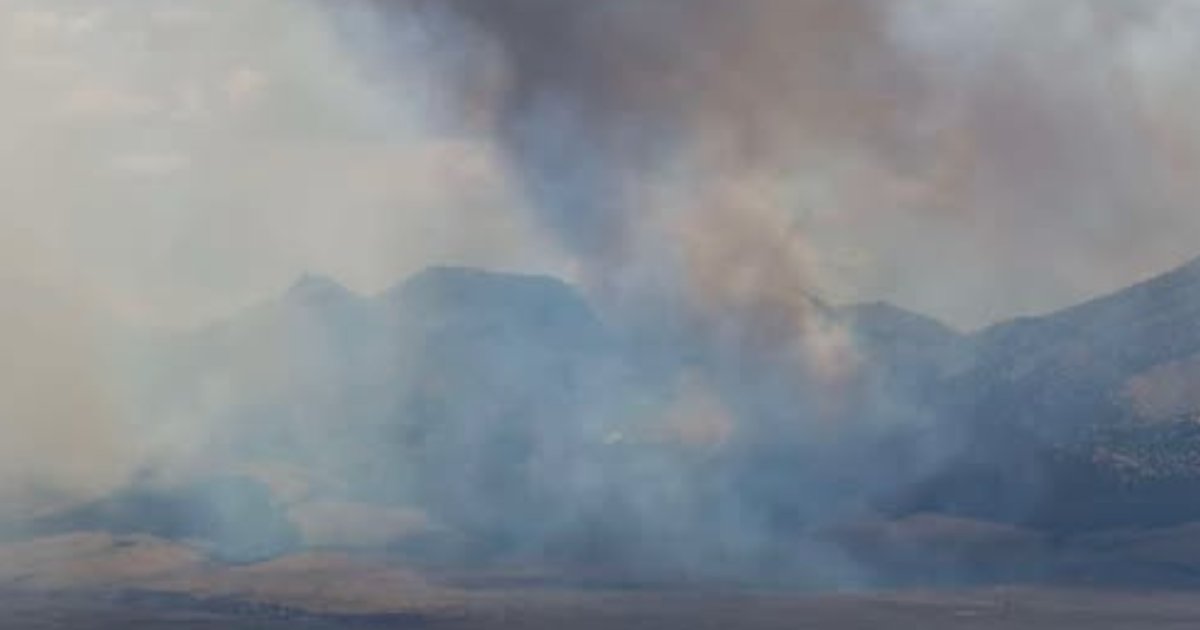
In Salt Lake City, the Bonneville Fire has consumed an estimated 566 acres. As reported by Telemundo Utah, emergency teams provided an update on June 22 stating the fire had reached a 43% containment level. While firefighters made significant progress on a Sunday by surrounding the perimeter on foot, officials warned that high temperatures in the 90s and low humidity could cause the blaze to regain strength.
Lightning-caused fires in Wasatch
The wildfire threat extends to Wasatch County, where lightning sparked a new blaze near the Strawberry Reservoir. As of July 17, the Buck Basin Fire was reported by KPCW to be 64% contained, aided by recent thunderstorms and heavy rain. This fire had burned approximately 230 acres since it was ignited on July 11. Earlier in the month, crews battled the same blaze 16 miles southeast of Heber using both air and land resources before weather conditions grounded aircraft.
Babylon Fire in San Juan County
In San Juan County, the Babylon Fire has become a primary concern for local law enforcement. The San Juan County Sheriff’s Office announced on July 22, 2026, that public lands remain integral to the local economy and community, but conditions regarding the Babylon Fire have necessitated close monitoring of the Manti-La Sal National Forest areas.
Enforcing statewide fireworks bans
To mitigate fire risks, Governor Spencer Cox has utilized an executive order to implement a fireworks ban. As reported by Telemundo Utah on July 3, 2026, the Governor granted state foresters temporary authority to prohibit fireworks between July 2 and July 5, while allowing individual cities to designate specific permitted areas. This measure was driven by historic drought and a surge in wildfires.
Law enforcement patrol increases
Law enforcement agencies are actively patrolling canyons and unincorporated areas to ensure compliance. Hannah Gorski, a spokesperson for the Salt Lake County Sheriff's Office, noted on July 3 that while the nation celebrates its 250th anniversary, residents must prioritize safety. Police in Salt Lake City requested that citizens use non-emergency lines rather than calling 9-1-1 to report fireworks violations during the holiday weekend.
Ecological recovery and debris
The environmental impact of these fires is also affecting local ecosystems and infrastructure. In Summit County, the Park City High Country Fly Fishers announced plans to restore more than a mile of Soapstone Creek this summer to remove debris and ash left by the Yellow Lake Fire. Additionally, in Wasatch County, officials noted that a total fireworks ban remains in effect through the Pioneer Day period.