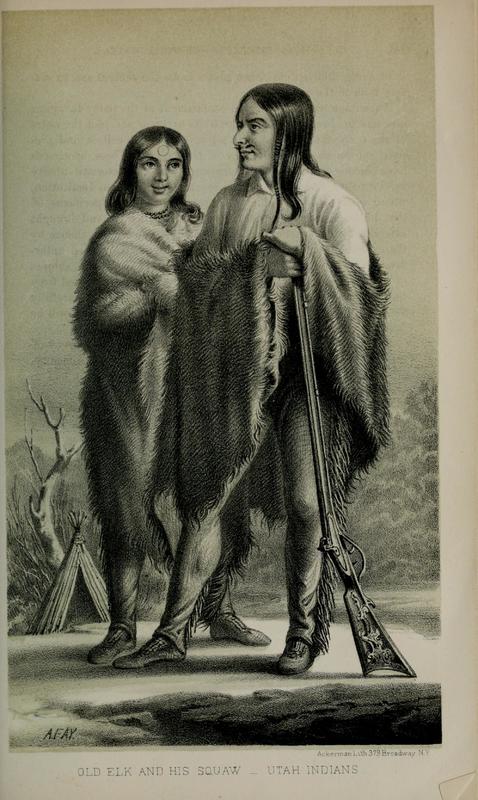
While early Mormon settlement in Utah is often described as less violent than other Western regions, significant conflicts occurred, including the Provo River Battle near the current site of Brigham Young University. The conflict began following an incident in January 1850 where three settlers shot and killed a Timpanogos Ute man while attempting to retrieve a stolen shirt from a clothesline at Fort Utah.
After the settlers disposed of the man's body in the river, members of the tribe discovered the corpse and prepared to respond. To prepare for a defense, Peter W. Cownover traveled to Salt Lake City to request reinforcements from the Deseret Militia. The militia departed Salt Lake on February 7, while Utes under Big Elk fortified themselves along the banks of the Provo River.
Following failed negotiations, a two-day battle took place. Mormon settlers eventually pushed the Utes from their fortifications near present-day Bulldog Blvd. and State St. in Provo toward the mouth of Rock Canyon.
Casualties during the battle included one killed and 18 wounded among the Mormon settlers. For the Utes, at least three were killed, including Big Elk and one woman. While some Utes surrendered and were offered asylum in Fort Utah, others fled toward Spanish Fork or were pursued and shot down near Rock Canyon, raising total Indian casualties to between 40 and 100.
In the following spring, surviving Timpanogos Utes conducted raids in the Salt Lake Valley and killed settlers in the Sanpete Valley. The conflict reached a conclusion when Patsowett, the leader of the hostile group, was captured and executed.