Tyler Robinson will face trial for the assassination of Charlie Kirk following a final preliminary hearing held on Sept. 2, 2026, in which a judge addressed matters of media access and courtroom decorum. The proceedings, which included closing arguments, set the stage for the legal battle regarding the capital offense case.
Courtroom Protocol and Safety
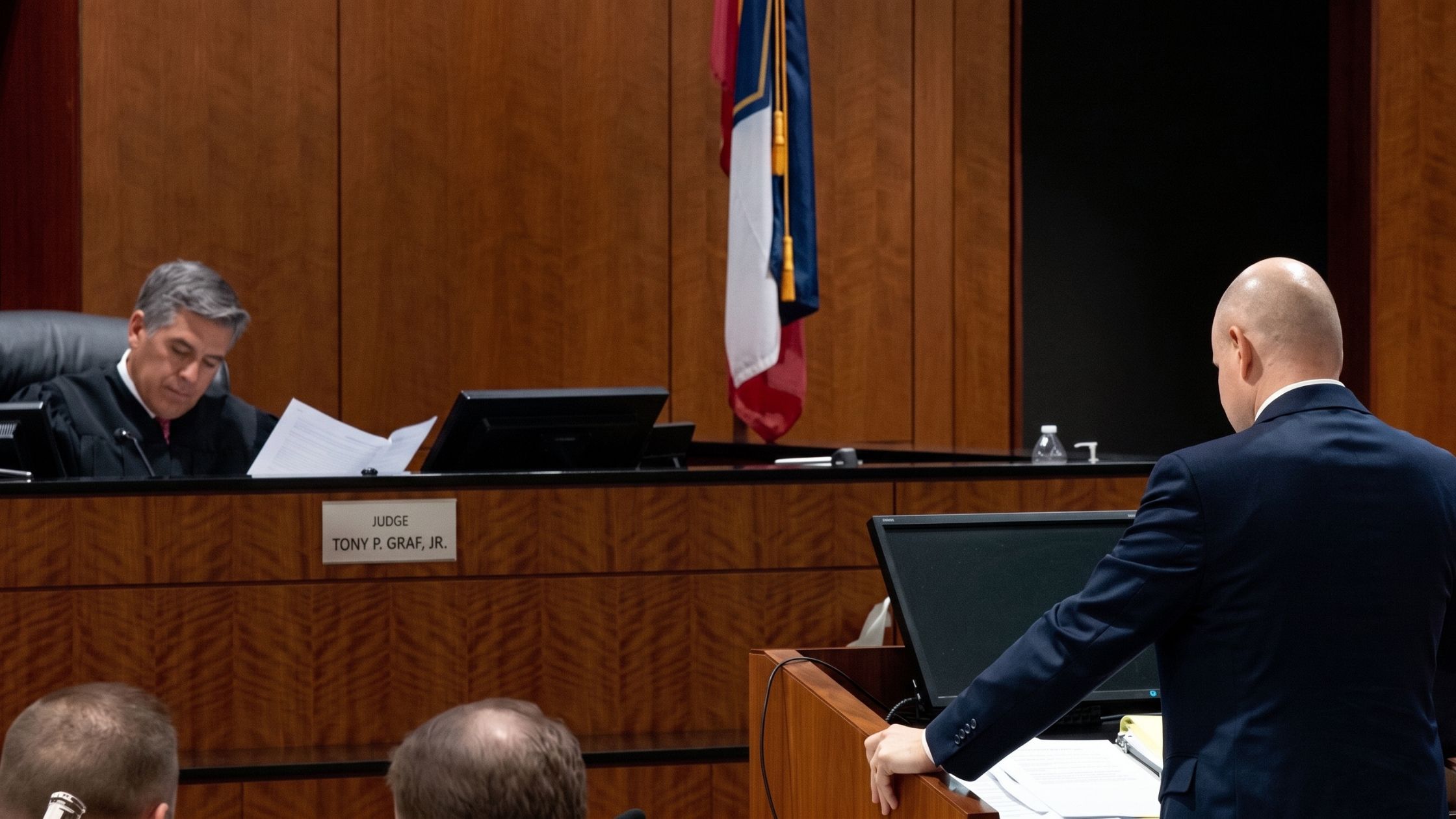
During the final preliminary hearing held on Sept. 2, 2026, the court focused heavily on the protocols required to maintain security and decorum within the courtroom. Judge Tony Graf issued specific instructions to all present, emphasizing the importance of safety, dignity, and the well-being of the parties, court staff, and the public. The judge noted the court's obligation to protect and uphold the constitutional rights of both the defendant, Tyler Robinson, and the victim's representative, Mrs. Kirk, who was present in the courtroom.
Strict Rules for Spectators
In an effort to maintain order, Judge Graf implemented strict rules regarding the conduct of spectators and media members. The court mandated that all spectators remain quiet, civil, and orderly, prohibiting any audible comments, gestures, or visible reactions such as nodding or shaking heads. Additionally, the court prohibited spectators from wearing or displaying any pins, buttons, signs, or clothing that expresses support for or opposition to any person connected to the case, or any position concerning the status of the case as a capital offense.
Debate Over Media Access
The proceedings also involved significant legal arguments regarding the classification of electronic media coverage. Before the main hearing, the court conducted a sealed closure hearing to address a request to classify certain defense motions. During the hearing, defense attorney Kathy Nester requested to withdraw a specific website identifier and the name of a website from the court's consideration. Nester argued that the defense wished to supplement their motion by refiling it without the specific website or provider to avoid creating a reasonable likelihood that the defendant would not receive a fair proceeding.
Media Opposition to Redaction
The defense's request to withdraw the website information faced immediate opposition from the media. Jeff Hunt, representing the news media, objected to the motion, arguing that there was no functional difference between the redacted material and the original motion. Hunt argued that once a party submits evidence to support a motion and the court makes a ruling, that material cannot be withdrawn from the record. He suggested that allowing such withdrawals would allow parties to attempt to recreate the record whenever they lose an access issue or other motion.
Legal Representation and Media Presence
The hearing was attended by several representatives for the various parties involved. The state was represented by Chad Grunander, Chris Ballard, Ryan McBride, Lauren Hunt, and Jeff Gray. Representing Tyler Robinson were Kathy Nester, Richard Novak, Staci Visser, and Michael Burt. Mrs. Kirk was represented by attorney Jeffrey Neiman. Media coverage was provided by KUTV 2 News via Josh Demick and The Salt Lake Tribune via Francisco Kjolseth, who was tasked with providing still and pull photography.
Case Progression
The final preliminary hearing concluded with the court having addressed the various motions and procedural requirements. The case, identified as State of Utah v. Tyler James Robinson, moves forward toward trial following the conclusion of these preliminary proceedings.
Security Measures
The legal proceedings were conducted under an Amended Standing Decorum Order. Judge Graf reminded all counsel to take reasonable measures to safeguard confidential communication, which included the potential use of screen protections on electronic devices to prevent the inadvertent capture of privileged or private discussions by recording equipment.