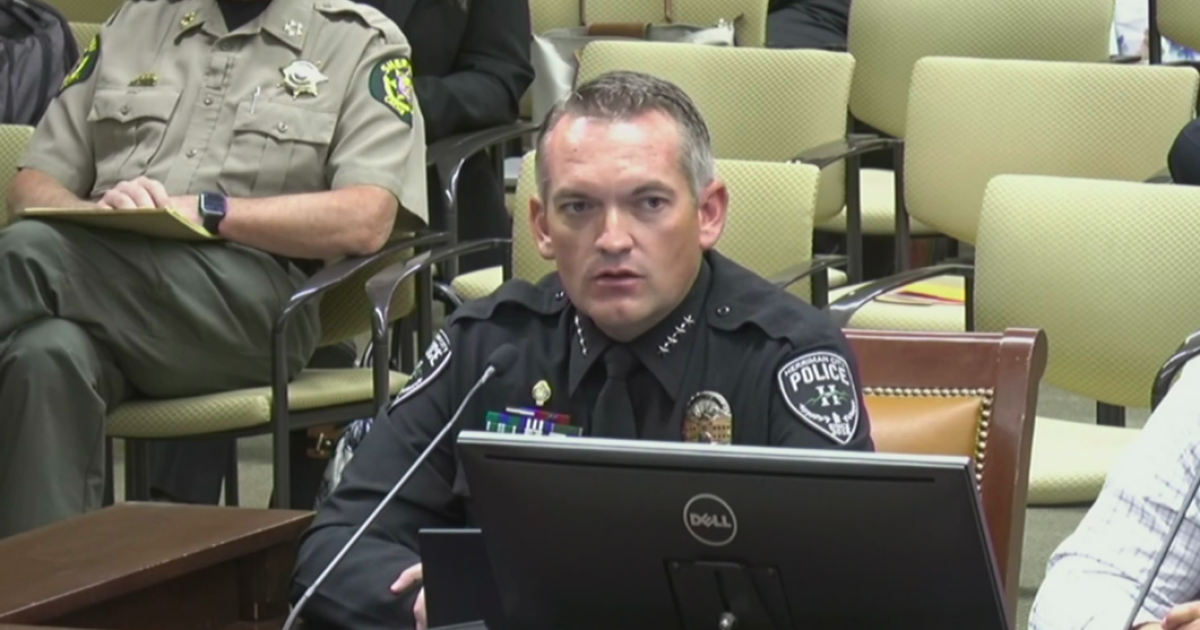
Elise Morgan was listed as Mayor Pro Tempore and a Council Member for the Town of Alta in an undated Town Council directory on the town's website, with a term expiration of 2028.
According to an undated Town Council directory on the town's website, Elise Morgan was listed as Mayor Pro Tempore and a Council Member for the Town of Alta. The directory noted that her term was set to expire in 2028. The Town of Alta is governed by a Mayor and a Town Council consisting of four members. As of the undated directory, the other officers included Mayor Roger Bourke, whose term was set to expire in 2030, and Council Members Carolyn Anctil, Dan Schilling, and Craig Heimark. According to the same undated document, Anctil's term was set to expire in 2030, while both Schilling and Heimark were listed with term expirations in 2028.
The Town Council performs several functions for the community. According to the town's website, the council meets every month on the second Wednesday of the month at 4:00 PM, though the location may vary from the Alta Community Center if otherwise noted. In addition to its regular meetings, the Town Council serves as the Appeal Authority. In this capacity, the council acts as the final arbiter for issues regarding the interpretation or application of land use ordinances. Residents can submit comments to the Town Council by using the contact us form provided on the town's website.
Legislative and budgetary actions are central to the council's work. For instance, a resolution dated 2026-R-13 acknowledged a separate item on the agenda for a public meeting held on May 13, 2026. During that May 13, 2026, meeting, the Budget Officer presented the tentative budget for fiscal year 2026-27. The resolution noted that the tentative budget included a proposed property tax increase as required by Utah Code. The Budget Officer also presented a property tax impact schedule as a separate item on the agenda during that May 13, 2026, meeting. This schedule is required to be available for public inspection at the office of the Town Clerk and on the town website.
The council also manages community utility programs. Ordinance 2026-0-7, which is undated, enacted a Community Clean Energy Program by adding Title 8, Chapter 4 to the Alta Code. This program was made possible because Alta executed a Utility Agreement with Rocky Mountain Power on October 4, 2024. This agreement addressed various issues required by the Community Renewable Energy Act. Furthermore, the town entered into an Interlocal Cooperation Agreement Among Public Entities Regarding the Community Renewable Energy Program, known as a Governance Agreement, to become a member of the Community Renewable Energy Agency. This allows for cooperative decision-making regarding program design and resource acquisition.
whatThisMeans
Residents encounter the work of the Town Council through monthly meetings held at the Alta Community Center. The council's role as an Appeal Authority means they provide final decisions on land use ordinance interpretations. Additionally, residents can review the town's fiscal planning through the property tax impact schedules and tentative budgets presented during public meetings.
According to an undated Town Council directory on the town's website, Elise Morgan was listed as Mayor Pro Tempore and a Council Member for the Town of Alta. The directory noted that her term was set to expire in 2028. The Town of Alta is governed by a Mayor and a Town Council consisting of four members. As of the undated directory, the other officers included Mayor Roger Bourke, whose term was set to expire in 2030, and Council Members Carolyn Anctil, Dan Schilling, and Craig Heimark. According to the same undated document, Anctil's term was set to expire in 2030, while both Schilling and Heimark were listed with term expirations in 2028.
The Town Council performs several functions for the community. According to the town's website, the council meets every month on the second Wednesday of the month at 4:00 PM, though the location may vary from the Alta Community Center if otherwise noted. In addition to its regular meetings, the Town Council serves as the Appeal Authority. In this capacity, the council acts as the final arbiter for issues regarding the interpretation or application of land use ordinances. Residents can submit comments to the Town Council by using the contact us form provided on the town's website.
Legislative and budgetary actions are central to the council's work. For instance, a resolution dated 2026-R-13 acknowledged a separate item on the agenda for a public meeting held on May 13, 2026. During that May 13, 2026, meeting, the Budget Officer presented the tentative budget for fiscal year 2026-27. The resolution noted that the tentative budget included a proposed property tax increase as required by Utah Code. The Budget Officer also presented a property tax impact schedule as a separate item on the agenda during that May 13, 2026, meeting. This schedule is required to be available for public inspection at the office of the Town Clerk and on the town website.
The council also manages community utility programs. Ordinance 2026-0-7, which is undated, enacted a Community Clean Energy Program by adding Title 8, Chapter 4 to the Alta Code. This program was made possible because Alta executed a Utility Agreement with Rocky Mountain Power on October 4, 2024. This agreement addressed various issues required by the Community Renewable Energy Act. Furthermore, the town entered into an Interlocal Cooperation Agreement Among Public Entities Regarding the Community Renewable Energy Program, known as a Governance Agreement, to become a member of the Community Renewable Energy Agency. This allows for cooperative decision-making regarding program design and resource acquisition.
What this means for Alta
Residents encounter the work of the Town Council through monthly meetings held at the Alta Community Center. The council's role as an Appeal Authority means they provide final decisions on land use ordinance interpretations. Additionally, residents can review the town's fiscal planning through the property tax impact schedules and tentative budgets presented during public meetings.