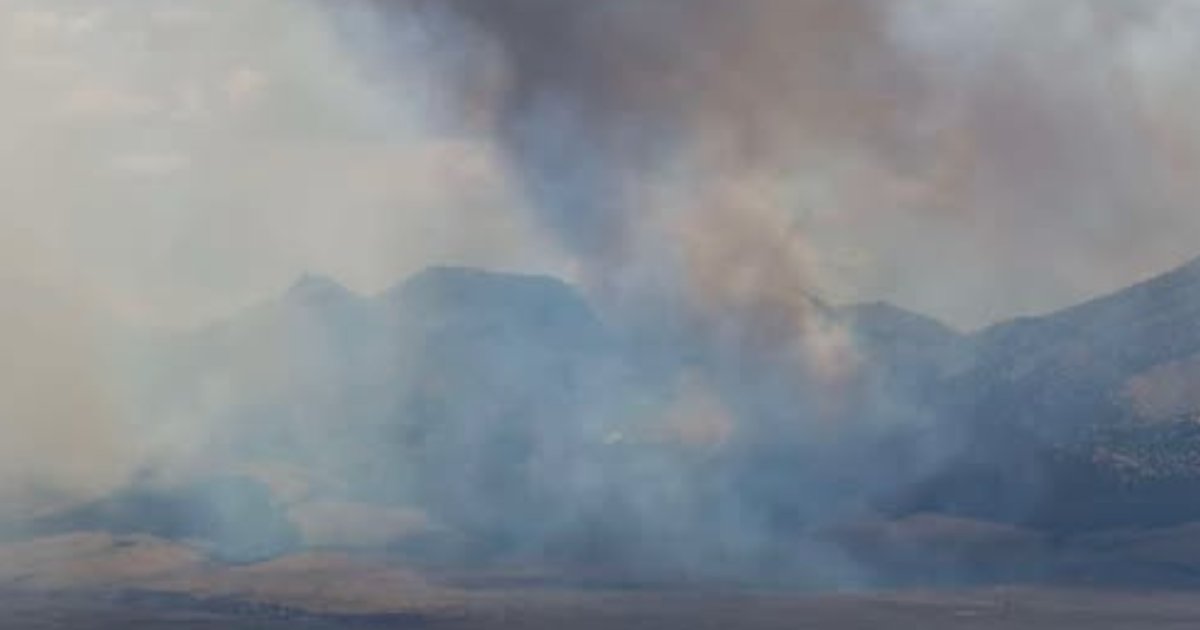
A prescribed fire has burned through approximately 1,500 acres near Farmington Bay as part of a controlled effort to restore ecosystem health. The burn occurred amid conditions in Davis County that maintained a good air quality index on July 16, 2026.
Ecosystem management goals
The use of prescribed fire, also known as a prescribed burn, involves the controlled application of fire by experts under specific weather conditions. According to the U.S. Forest Service, these planned fires are used to meet management objectives and restore ecosystems that depend on periodic fire.
By applying fire at the right time, land managers aim to reduce hazardous fuel buildup, which protects human communities from extreme wildfires. The process also helps minimize the spread of pests and disease, removes invasive species, and recollates nutrients back into the soil.
Great Salt Lake oversight
The Great Salt Lake Ecosystem Program, a division of the Utah Division of Wildlife Resources, manages the aquatic and avian communities within the region. This program is responsible for monitoring environmental data around the lake and surveying waterfowl and shorebirds that use the area as a migration stop.
The program also oversees the commercial harvest of brine shrimp cysts, which is described as a multimillion-dollar business for which the Great Salt Lake is globally recognized.
Air quality monitoring
As of 1:00 AM on July 16, 2026, the Utah Department of Environmental Quality reported that air pollution levels in Davis County remained within the 'Good' range. The recorded PM 2.5 level was 6.8 µg/m3 and ozone levels were 0.047 ppm.
Despite the current good air quality, the Utah DEQ noted that smoke from wildfires can cause high concentrations of particulate matter. The agency advised that if smoke becomes thick, individuals with existing respiratory or heart ailments should reduce outdoor physical activity.
Burn plan execution
Fire specialists utilize burn plans to identify the ideal conditions for fire, considering factors such as humidity, temperature, wind, and vegetation moisture. These plans also account for the necessary conditions for smoke dispersal to ensure safety during the operation.