Utah's transportation infrastructure is defined by a legacy of technological innovation, stretching from the historical invention of the electric traffic light to modern efforts by the Utah Department of Transportation and Salt Lake City to reduce emissions and traffic delays through advanced signal management.
A Legacy of Innovation
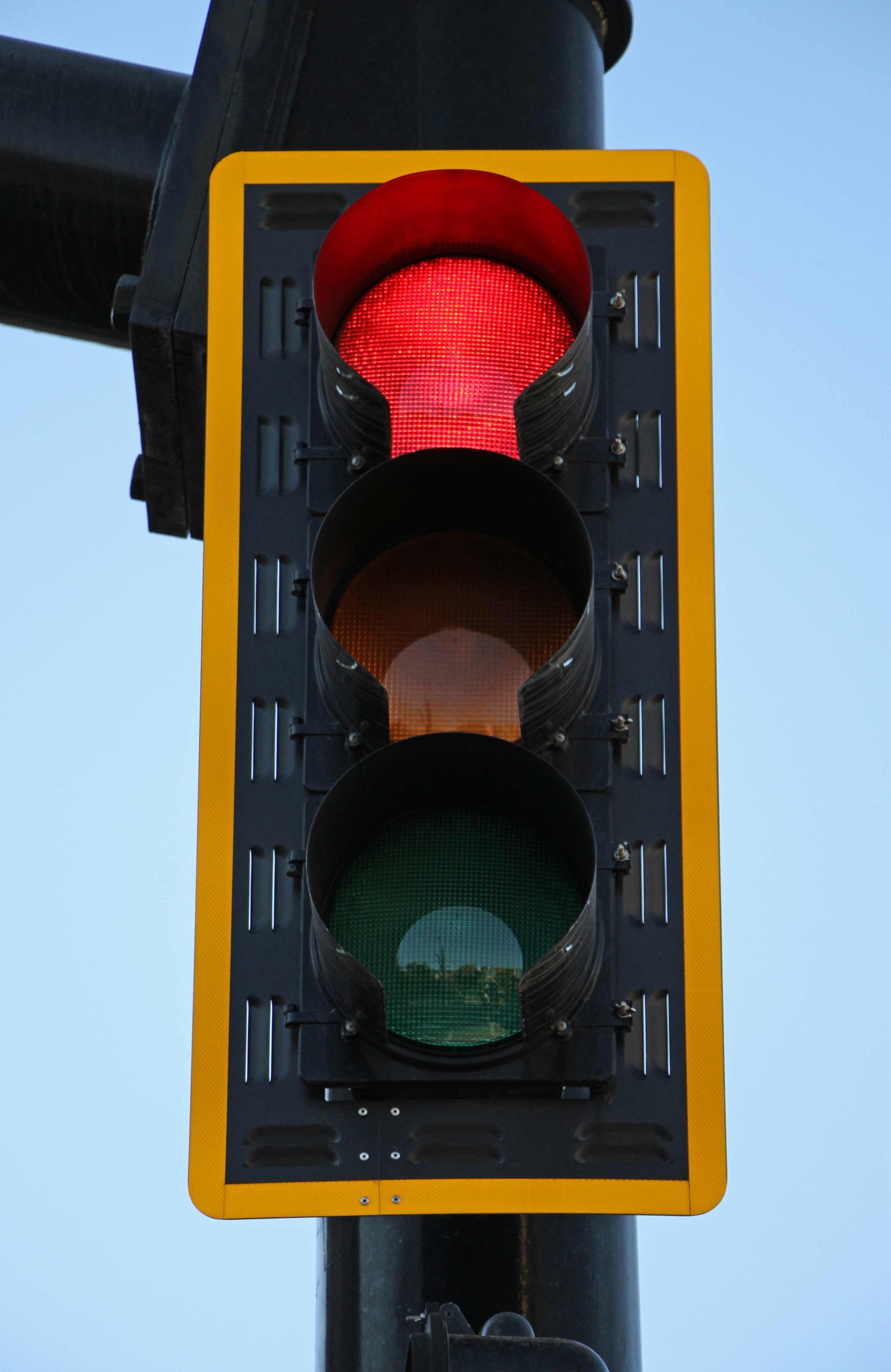
The history of Utah's roadway safety is anchored by the work of Lester Wire, a Utah police officer who invented the electric traffic light. According to the Utah Division of Archives and Records Service, Wire's invention remains a foundational piece of the state's historical records, preserved as part of the state's digital collections regarding significant local figures.
UDOT Traffic Management Operations
Building on this foundation of innovation, the Utah Department of Transportation (UDOT) has established the Traffic Management Division to consolidate its Intelligent Transportation Systems (ITS) and Traffic Operations Center (TOC) into a single technology-oriented unit. This division is responsible for the planning, design, installation, operation, and maintenance of advanced ITS technologies intended to improve mobility, safety, and economic prosperity across the state.
Advanced Traffic Technologies
The Traffic Management Division manages a vast array of services, including computer-controlled coordinated traffic signals, the management of traffic incidents on state highways, and the operation of ramp meters on I-15. Additionally, the division controls electronic variable message signs and operates the state's 511 traveler information telephone system and traffic website.
Weather Management and Safety
A critical component of UDOT's safety mission is the Weather Group. Established before the 2002 Olympics, the UDOT Weather Program serves as a national model for road weather management, providing an 11:1 cost-benefit return to taxpayers. A dedicated team of meteorologists provides forecasts for hazards ranging from snow to crosswinds and flash floods, helping crews and the public manage maintenance and travel safely.
Data-Driven Weather Forecasting
The Weather Group utilizes data from over 200 Road Weather Information Station (RWIS) stations to power innovative applications. These include the control of Variable Speed Limits (VSLs), Snow and Ice Performance Measure (SIPM), and automated warnings on Variable Message Signs (VMS).
Salt Lake City Signal Management
In Salt Lake City, the Transportation Division manages approximately 250 signalized intersections and crossings. The city's Traffic Control Center handles questions regarding signal timing and technology upgrades, while signal technicians are available between 6 a.m. and 6 p.m. on weekdays to address technical concerns.
Rapid Response and Maintenance Protocols
The city's signal technicians are available 24/7 to respond to dark or malfunctioning signals. Since 2018, the city has maintained an average response time of 19.95 minutes for trouble calls. Additionally, the Salt Lake City Streets Division Signals Team handles maintenance for over 180 other signal devices, including 80 school zone flashers, 50 pedestrian-activated flashers, and 50 driver feedback radar speed signs.