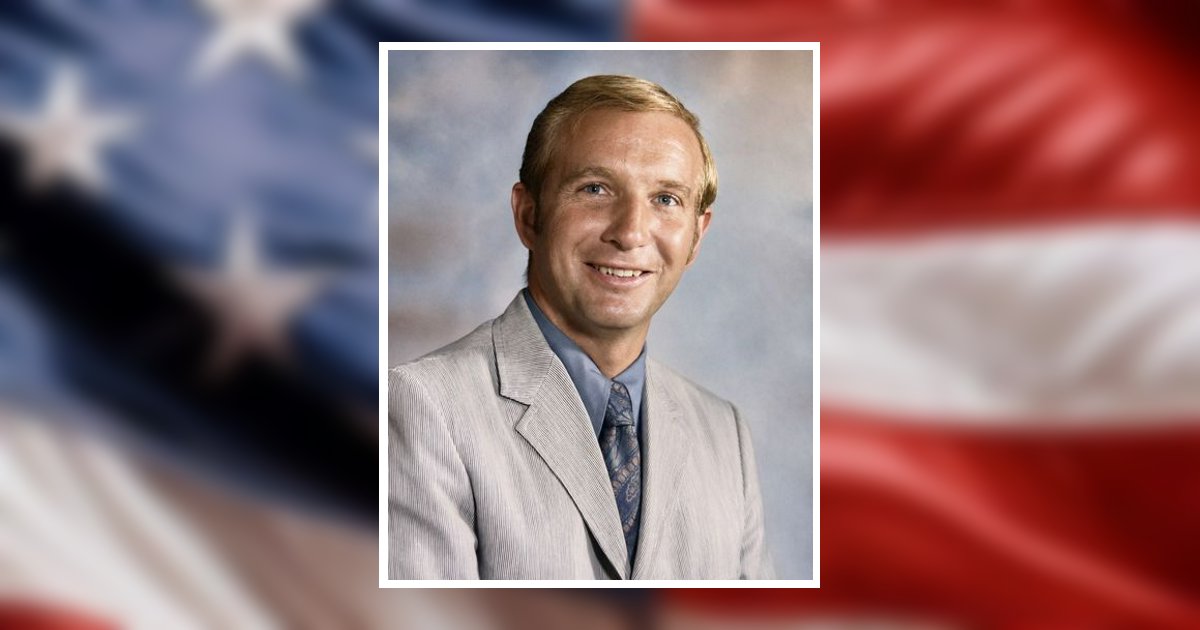
Dr. Justin Collings delivered a devotional at BYU-Idaho on March 24, 2026, outlining a theological framework for education based on the visions of Joseph Smith. During his presentation, titled "A Prophet’s Vision for Your Education," Collings explored how religious doctrine intersects with the pursuit of knowledge, history, and law.
The Purpose of Learning
In his March 24 address, Collings identified three primary motivations for lifelong learning derived from the teachings of Joseph Smith. He stated that the first fundamental reason to learn is to become more like Heavenly Father and Jesus Christ. Citing Smith's declarations, Collings noted that Smith's primary objective was to understand the character of God and comprehend His excellencies.
Collings explained that according to Smith’s teachings, the purpose of education is rooted in the plan of salvation, where individuals use learning to progress toward the image and glory of Christ. He highlighted Smith's belief that the relationship between God and His children provides a foundation for advancing in knowledge through obedience to the gospel.
Preparation and Joy
A second purpose for study, according to Collings, is the preparation required to serve God and others more effectively. He referenced the necessity of being prepared to magnify callings and missions through broad learning. This includes the ability to perform the work of the Lord in the latter days.
Collings also presented a third reason for education: the attainment of joy. He argued that because intelligence is part of human nature, learning is a source of enduring happiness. Drawing from Smith's theology, Collings noted that 'knowledge is necessary to life and godlyness' and that the principle of knowledge is inextricably linked to the principle of salvation.
An Expansive Curriculum
The devotional also addressed the vast scope of what should be studied, which Collings described as an expansive curriculum. He noted that Smith's revelations encouraged seeking wisdom from the best books and obtaining knowledge regarding history, countries, kingdoms, and the laws of both God and man.
Collings emphasized that this pursuit of learning should involve studying languages, tongues, and various peoples. He highlighted Smith’s desire to learn 'of things both in heaven and in the earth,' including historical events, the wars and perplexities of nations, and things that have been, are, or are to come.
Reason and Revelation
Discussing the methodology of learning, Collings described a process that combines reason and revelation, inquiry and inspiration, as well as study and faith. He referenced Smith's view that salvation cannot be achieved without revelation and that much of the knowledge available through immediate revelation can also be sought through diligent study.
Collings noted that while some religious creeds might attempt to set limits on how far an individual may learn, Smith resisted such boundaries, seeking instead to expand his understanding of all things.
Academic Career and Service
Dr. Collings brings a significant academic background to his role at Brigham Young University. According to university records, he joined the BYU faculty in 2013 at the J. Reuben Clark Law School. Since then, he has achieved continuing faculty status and was promoted to professor of law in 2019.
Before his current administrative roles, Collings served as an Associate Dean at the Law School from 2020 to 2022. His international academic experience includes serving as a Fulbright Fellow at the European University Institute in Florence, Italy, from January to June 2019.
Legal Expertise and Education
A specialist in constitutional law and history, Collings has authored two books published by Oxford University Press: "Democracy's Guardians: A History of the German Federal Constitutional Court, 1951-2001" (2015) and "Scales of Memory: Constitutional Justice and Historical Evil" (2021). His teaching focuses heavily on constitutional subjects.
His educational credentials include a double major in English and Italian from Brigham Young University, as well as a JD and a PhD in history from Yale University. Prior to his academic career, he served as a law clerk for the Honorable Guido Calabresi on the United States Court of Appeals for the Second Circuit.
Personal Life
Beyond his professional life, Collings and his wife, Lia, are parents to seven children. The family shares interests in literature, music, languages, and travel.