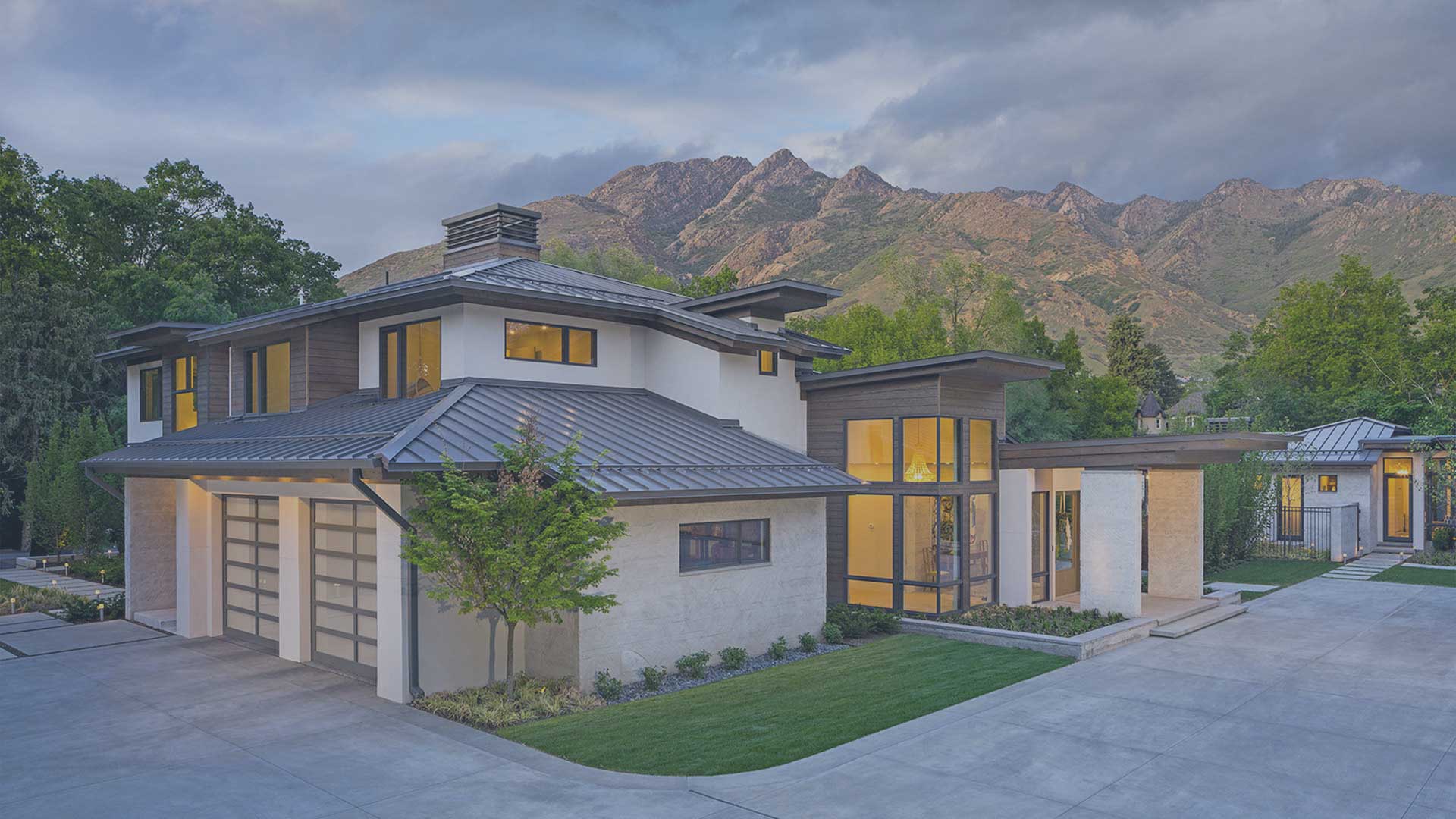
Utah home prices rose 1.9% to a median of $530,000 in September, according to a report published October 21 by Best Utah Real Estate. Despite the price increase, pending sales in the state dropped 26.8% compared to a year ago, falling to 2,744 homes under contract.
The decline in pending sales follows previous monthly decreases of 9.9% in July and 11.6% in August. This downward trend in activity aligns with rising borrowing costs, as Freddie Mac reported the 30-year fixed rate averaged 6.86% in September. By the week of October 15, 2026, the average rate had reached 7.40%, compared to 6.27% a year earlier. On a $530,000 home with a 20% down payment, the monthly principal and interest at 7.40% would be approximately $2,936, whereas it was roughly $2,567 on the previous year's $520,000 median at 6.27%.
Inventory levels are increasing, with 17,528 homes for sale in Utah at the end of September, representing a 3.6% increase from a year earlier. This results in a 4.7-month supply, which is level with the national supply of 4.8 months. In the Salt Lake City metro area, 33.6% of listings received a price cut in September, a figure Realtor.com noted was the highest share among the 50 largest U.S. metros. Statewide, sellers who closed in September received an average of 96.1% of their original asking price.
Regional market performance varied across the state in September. Utah County saw the strongest gain on the Wasatch Front, with a median price rising 5.0% to $525,000. In contrast, Davis County's median slipped 3.0% to $525,000, and Washington County's median fell 1.9% to approximately $510,000. Iron County reported a 9.9% rise in median price to $420,000, while Summit County's median rose 3.2% to approximately $1.64 million.
The housing slowdown appears linked to borrowing costs rather than employment. The Utah Department of Workforce Services reported that Utah added 20,600 jobs over the year, and the state's unemployment rate was 3.5% in August, which is below the national rate of 4.1%.
Market analysts suggest that if interest rates remain above 7% and pending sales continue to fall while inventory grows, Utah prices may flatten or decrease into the winter months.