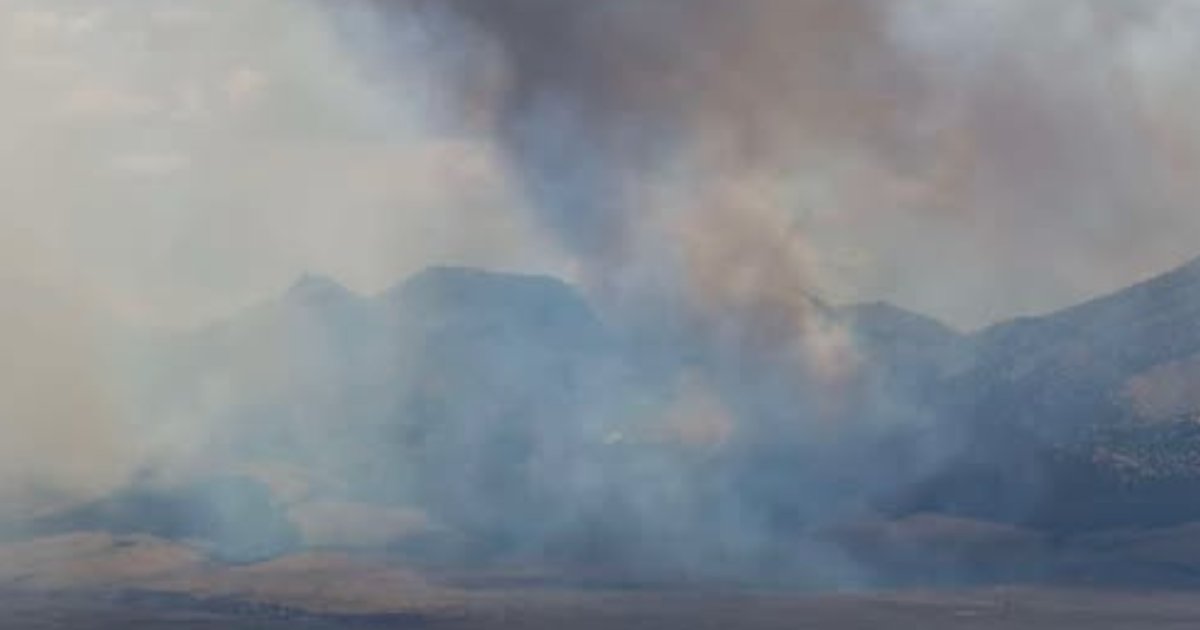
Research aircraft are currently flying over the Salt Lake City area as part of the Salt Lake City - Summer Ozone Study (SLC-SOS), an initiative designed to monitor and analyze ozone concentrations throughout the region.
Aerial Ozone Monitoring
The Earth Observing Laboratory (EOL) announced July 20, 2026, that the SLC-SOS project is active, focusing on the seasonal fluctuations of ozone in the Salt Lake City corridor. The study utilizes specialized research aircraft equipped with advanced airborne instrumentation to collect high-resolution atmospheric data.
By deploying these aircraft, researchers can capture real-time measurements of ozone levels that ground-based stations might miss. This aerial approach allows for a more detailed mapping of how pollutants move and react within the unique geographic basin of the Salt Lake Valley during the summer months.
Laboratory Research Infrastructure
The SLC-SOS project is a specialized field program managed by the Earth Observing Laboratory. The laboratory's mission involves utilizing various platforms and instruments, including both research aircraft and ground-based instrumentation, to observe atmospheric changes.
In addition to the aircraft components of the study, the EOL maintains a wide array of resources for field programs, such as data and software services, project management, and education and outreach. The laboratory also provides the EOL Field Data Archive (DMS) and specialized calibration laboratory services to support the technical requirements of complex atmospheric studies like the Salt Lake City ozone mission.
Project Objectives
The ongoing summer study serves as a critical component of the Earth Observing Laboratory's broader field program schedule. Through the integration of airborne instrumentation and continuous data collection, the SLC-SOS project aims to provide deeper insights into the chemical composition of the local atmosphere during peak ozone season.