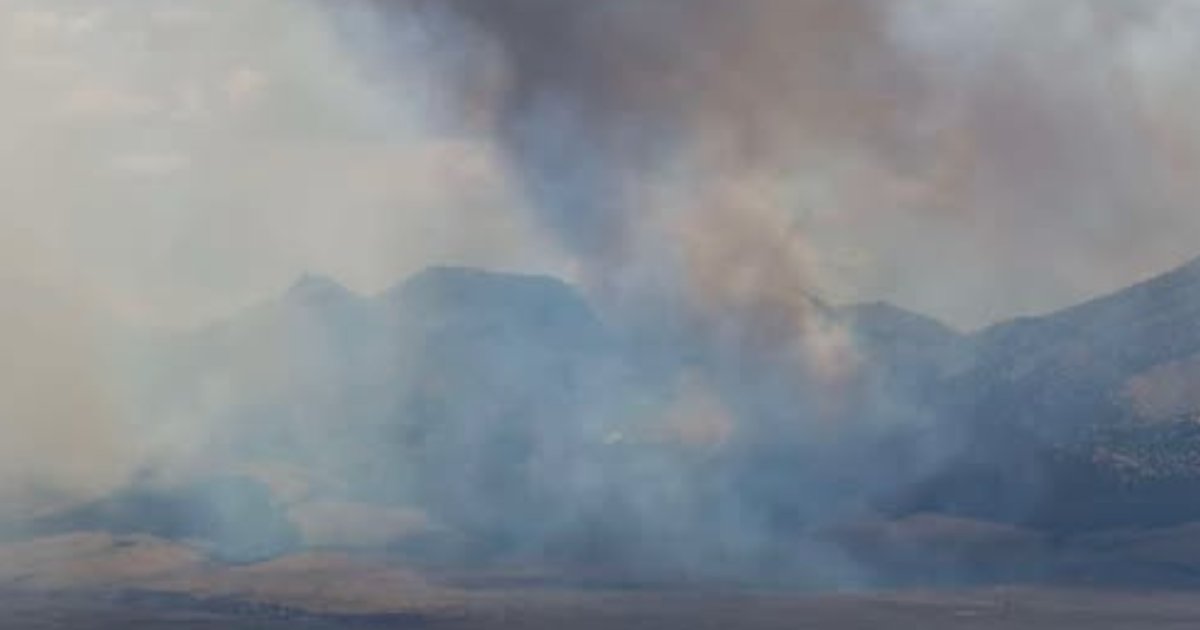
An extreme heatwave is moving across southern Utah and much of the Southwest, bringing intense temperatures that threaten public health and infrastructure. While the National Weather Service reported no active hazardous weather conditions for the area four miles south-southwest of American Fork on Thursday, July 16, 2026, regional monitoring continues as high heat persists throughout the region.
Understanding HeatRisk Levels
The National Weather Service's HeatRisk system, which provides supplementary guidance to official watches and warnings, tracks the potential for heat-related impacts based on temperature duration and unusualness for the time of year. According to data from July 7, 2026, the HeatRisk index uses a five-tier scale to categorize danger levels to decision-makers and heat-sensitive populations.
At the lowest level, Green indicates little to no risk. Yellow represents minor risks that primarily affect those who are extremely sensitive to heat and lack cooling or hydration. Orange signifies moderate risk, impacting sensitive individuals and certain industries, while Red denotes major risks affecting anyone without access to cooling. The highest level, Magenta, represents extreme heat characterized by rare or long-duration events with no overnight relief, posing a threat to health systems, industries, and infrastructure.
Strategies for Home Cooling
As heatwaves intensify, emergency preparedness experts suggest specific home modifications to mitigate rising indoor temperatures. According to Be Ready Utah, residents can prepare for potential utility outages during heat emergencies by installing adequate attic vents to dispel accumulated heat and utilizing energy-rated, UV-protective windows to lower cooling costs.
During an active heatwave, officials recommend designating 'cool rooms' on the lowest level of a home, as heat naturally rises. To further reduce temperatures, residents can sleep with mattresses directly on the floor to stay several degrees cooler than they would on a higher bed frame. Selecting rooms with only north-facing windows can also help block the intense southern sun during the day while still allowing for cool air circulation at night.
Window and Evaporation Techniques
To prevent heat from entering living spaces, Be Ready Utah suggests covering south and west-facing windows with aluminum foil or Mylar blankets. Applying these materials directly to the glass helps reflect sunlight away and prevents the heating of indoor air. Residents are advised to keep all doors and $\text{windows}$ closed during the hottest parts of the day, then open upper-level windows at night to allow trapped heat to escape.
In dry climates, the agency recommends promoting evaporation by hanging wet blankets or sheets in front of windows and doors. This technique, often used by hospitals to cool bedridden patients, creates a cooling effect as moisture evaporates. However, experts note that this method is less effective in high-humidity areas where the air is already saturated with moisture.
Personal Safety and Hydration
Personal safety during extreme heat requires strict adherence to hydration and activity management. Be Ready Utah advises individuals to limit physical activities during the hottest parts of the day and to use extreme caution when exerting themselves, particularly in humid environments where sweating may not effectively cool the body.
Maintaining hydration is critical for the body's internal cooling system, and residents should ensure they have plenty of stored water on hand. In scenarios where power outages cause freezers to defrost, officials suggest cooking meals outdoors to prevent adding additional heat to the home environment.
Ongoing Regional Monitoring
While current reports for specific locations like American Fork show no active warnings at this hour, the broader regional context of the Southwest remains under scrutiny. The integration of CDC Social Vulnerability Index data into heat monitoring helps officials identify high-risk populations who may lack the resources to manage extreme temperature spikes.