Utah lacks significant regulations regarding noise and temperature impacts from new data center developments, according to the commissioner of the Utah Department of Environmental Quality. Tim Davis told lawmakers Wednesday that these regulatory gaps represent major concerns as the state manages rapid growth in the sector.
Regulatory Gaps in Heat and Noise
During testimony before the Economic Development and Workforce Services Interim Committee on Wednesday, Davis highlighted that heat and noise are among the most prominent issues currently missing from the state's approach to data center permitting. He noted that researchers have indicated large data centers relying on natural gas or other fuel sources may dramatically increase temperatures in nearby areas.
Davis stated that the state currently lacks regulatory authority to govern the amount of noise data centers can produce or the amount of heat they can emit. To address these issues, he intends to examine the impacts with the assistance of state universities and other agencies. He noted that the issue of noise is particularly relevant when considering land use compatibility.
"Putting things that are compatible next to each other is important," Davis said. He cited an example of multi-million dollar homes sited next to an existing landfill, noting that residents are often unhappy with the smells even though the landfill was established first.
Concerns Over Stratos Project
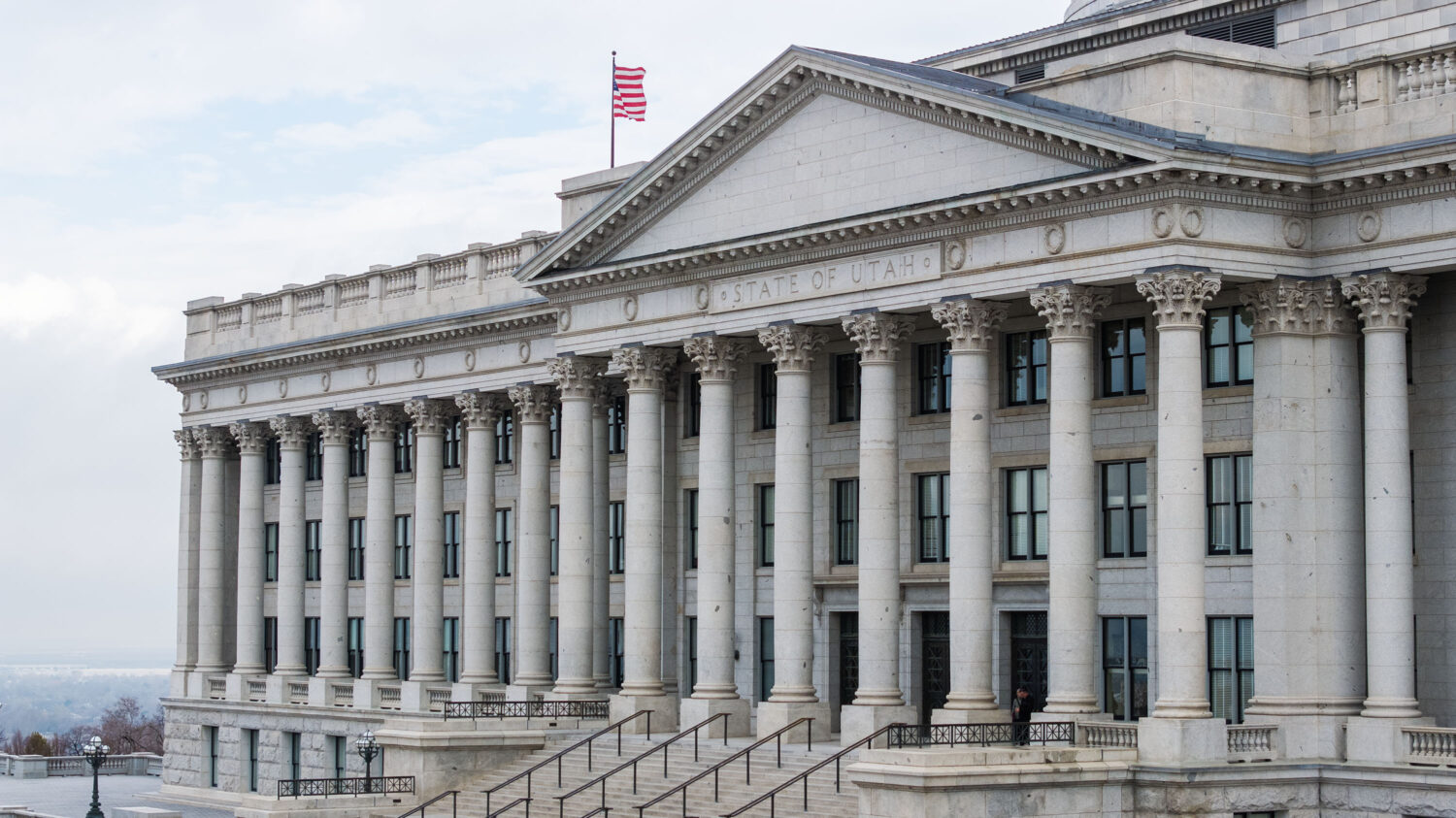
The discussion regarding data center policy occurred during three separate meetings on Capitol Hill on Wednesday. These hearings were held in light of significant public uproar over the Stratos Project Area in Box Elder County, a development that contributed to several elected officials being unseated in primary elections earlier this summer.
Regarding the Stratos Project Area, which is backed by celebrity investor Kevin O’Leary, officials stated they do not yet have full clarity on the specific plans. Davis noted that the project still has several hurdles to clear and said he has not yet met with the team representing O'Leary, though he has extended an invitation.
Davis expressed a desire for companies to engage with state agencies early in the process to assist with planning. "I ask any company (that) wants to do anything ... come and talk to us early so that we can help figure out how," Davis said. He noted that he has invited the Stratos team to discuss air quality, but they have not yet done so, meaning the state has not yet started its process for that project.
Air Quality and Compliance Issues
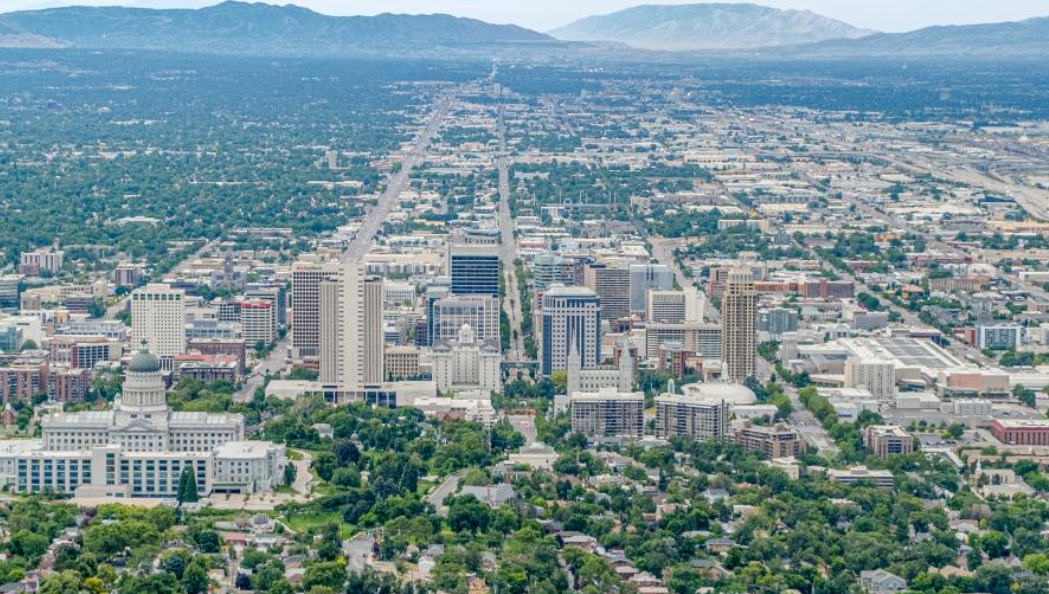
Davis also addressed the challenges of managing pollution along the Wasatch Front. He informed the committee that the region is already out of compliance with the Clean Air Act, specifically regarding ozone levels. Due to these existing conditions, Davis said it would be difficult, if not impossible, for a major new natural gas source to generate along the Wasatch Front.
As a result, Davis said the state is attempting to steer projects that generate natural gas away from the Wasatch Front. He noted that the controversial large data center proposed in Box Elder County has yet to begin the process of obtaining air quality permits.
Existing Data Center Legislation
While new regulations are needed for noise and heat, Utah has already taken steps to manage other aspects of data center growth. Jake Garfield, deputy director of the Utah Office of Energy Development, praised a law passed in 2025 that requires large data centers to find alternative power sources rather than solely connecting to the existing power grid.
Garfield described the 2025 law as an "American-leading piece of data center legislation" because it protects ratepayers by ensuring that large loads pay for their own costs rather than shifting those costs to the general ratepayer base. Additionally, Utah lawmakers approved a bill earlier this year to regulate water use specifically for new data center developments.
Accountability and Agency Coordination
The complexity of the approval process raised concerns among state representatives regarding accountability. Because multiple agencies are involved in the permitting process and no single agency holds complete power to approve a new development, Rep. Doug Fiefia, R-Herriman, questioned how responsibility is assigned.
"If no single agency approves a data center, then who's accountable when something falls through the cracks?" Fiefia asked. He added that his constituents expressed concerns regarding the lack of a single point of contact, noting, "If there's a million people I have to contact, well, then I never really get to the right person that I have a question or concern to. ... there's a lot of hands in the kitchen, and we don't know who's responsible for what."
In response to these concerns, Davis acknowledged that the state recognizes the need for better coordination between agencies and said the state is looking at ways to improve that process moving forward.
Future Policy Outlook
Wednesday's hearings on data center policy may not result in immediate legislative changes. However, the discussions are expected to shape future policy regarding development when lawmakers return for their annual general session in January.