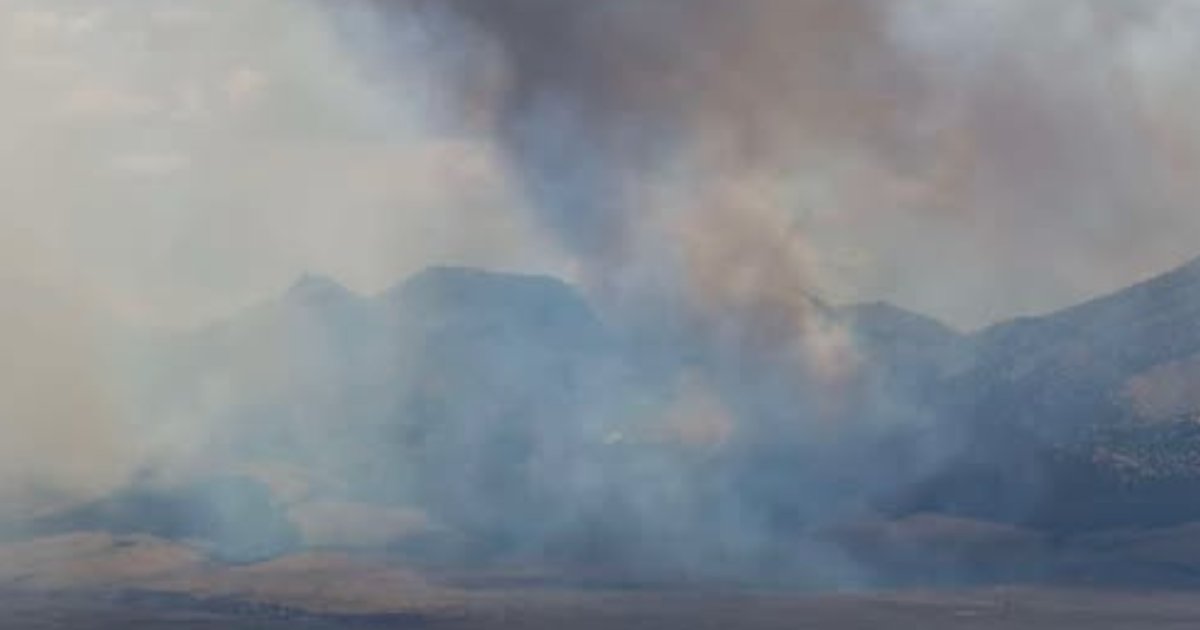
Lake Powell is facing significant water level declines, with the reservoir currently at approximately 23% capacity. The shrinking water levels, driven by a combination of record-dry winters, extreme heat, chronic drought, and climate change, are forcing marinas in the region to adapt to dwindling access. Experts warned that the reservoir could reach historic lows as early as September.
The current water levels in Lake Powell and Lake Mead are the lowest they have been in nearly 70 years. According to Jack Schmidt, director for the Center for Colorado River Studies at Utah State University and lead author of a recent report, the combined storage of these two reservoirs is the lowest in their recorded history. The report noted that the reservoirs will likely continue to deplete until the spring snowmelt begins.
Low water levels have created significant challenges for recreation and infrastructure. The National Park Service has warned that low water levels have created new navigation hazards, including submerged obstacles and narrower channels. Many boat ramps have closed or become unsafe for launching houseboats and small motorized vehicles due to the low elevation.
Marinas are implementing various projects to maintain access. At Antelope Point Marina, plans are underway for an $81 million project to extend a ramp to accommodate water levels as low as 3,520 feet. Additionally, a marina at Bullfrog Bay is being moved to deeper waters with a projected $73.4 million price tag, while the Wahweap Stateline ramp is undergoing continuous extensions.
The water crisis extends beyond Lake Powell. The Bureau of Reclamation has flagged eight western reservoirs for being at or near record lows. In New Mexico, Elephant Butte State Park is at about 2% capacity, leading to the closure of two boat ramps in June. Richard Holcomb, mayor of Elephant Butte, stated that the county is seeing fewer tourists and regular visitors, which impacts revenue from the gross receipts tax used for infrastructure.
The Colorado River, which feeds these reservoirs, is a vital resource for more than 40 million people across seven U.S. states, tribal nations, and Mexico. While the federal government is expected to announce a plan for how states including Utah, Arizona, California, Nevada, Colorado, New Mexico, and Wyoming should share dwindling resources, current guidelines are set to expire this year without a long-term agreement in place.
Despite the challenges, marina managers noted that there is still enough water for recreation. Kenneth Runnels, chief administrator with Antelope Point Holdings, stated that while water levels are an issue, the problem is primarily one of access rather than recreation availability. He noted that improvements to ramps are intended to fix these access issues.