As the holiday shopping season begins with Black Friday, trauma experts at Intermountain Health Primary Children’s Hospital are advising parents to prioritize safety when purchasing gifts for children. Doctors warn that popular items like e-bikes and battery-operated toys can carry significant health risks if not carefully selected and supervised.
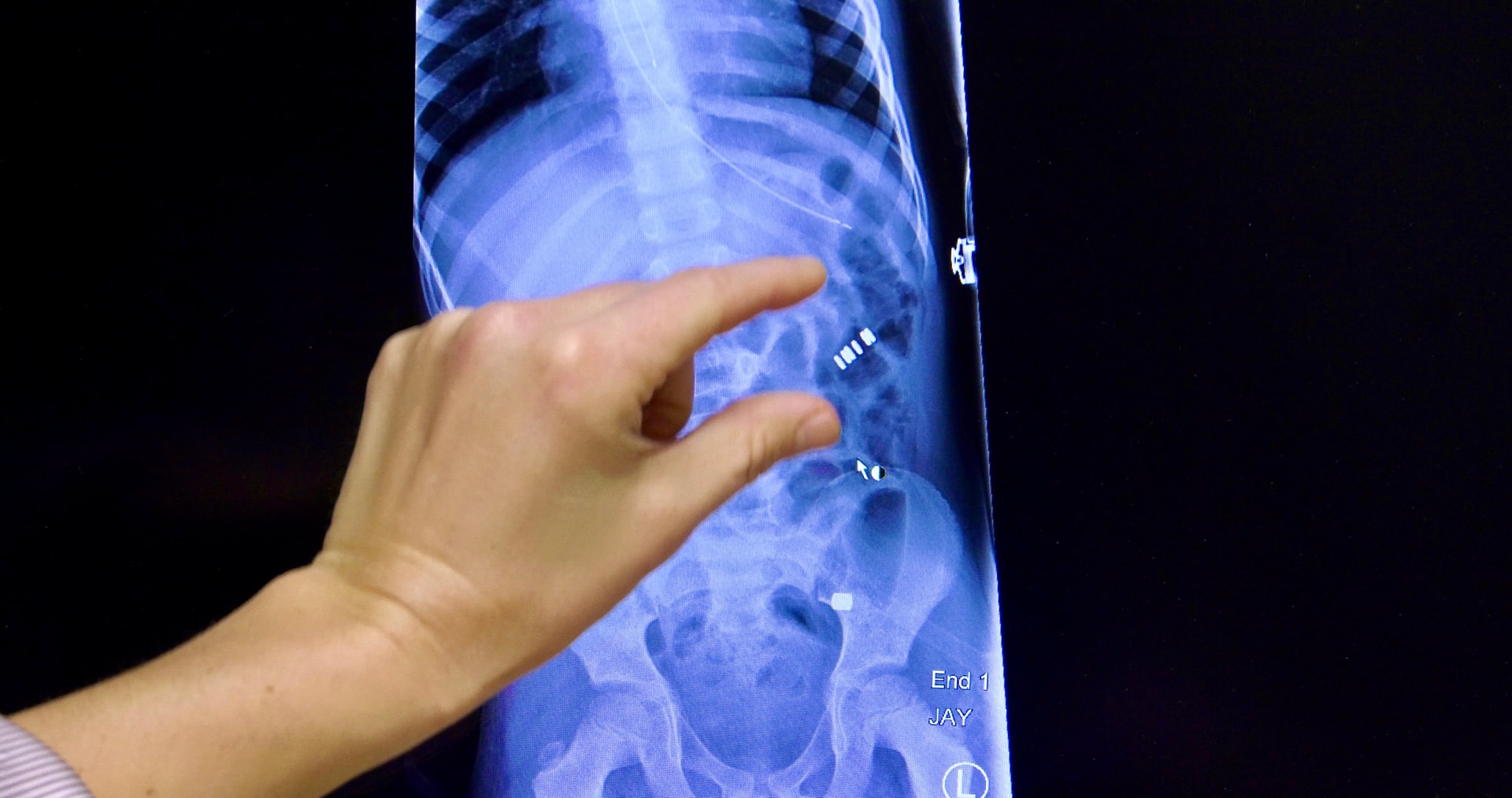
For children under age 3, trauma surgeons warn against toys containing small magnets or button batteries. Rob Swendiman, MD, a pediatric trauma surgeon with U of U Health and Intermountain Health Primary Children’s Hospital, said small magnets are particularly dangerous if ingested because they can move through the intestines and pinch the intestinal walls, requiring emergency surgery. Similarly, doctors noted that button batteries found in many toys can cause life-threatening burns to a child's esophagus or throat. Because symptoms may not be immediately obvious in young children, experts recommend researching toys carefully and avoiding products with these components for toddlers.
Regarding electric transportation, Intermountain Health reported a sharp rise in e-bike-related injuries among Utah children and teens over the past year. Katherine Stokes, RN, a trauma coordinator for Intermountain Health Primary Children’s Hospital, noted that injuries from e-bikes and e-scooters often resemble motorcycle crashes more than bicycle falls due to factors like speed, lack of helmet use, and failure to follow traffic rules. Head trauma has been identified among the most serious injuries, involving patients as young as 8 years old.
Utah law defines three classes of electric-assist bicycles: Class 1 and Class 2 devices provide assistance up to 20 mph, while Class 3 e-bikes can reach 28 mph with pedal assistance. Devices capable of exceeding 20 mph without pedaling may fall into different legal categories and require additional safety measures. Experts recommend that most youth stick to Class 1 e-bikes and wear helmets appropriate for the device's speed and power. Parents can face penalties if a child uses a bike not intended for their age, according to new Utah laws that set age restrictions for certain e-bikes.
To prevent life-changing injuries, experts suggest parents should research a device before purchasing, choose correct protective equipment, and teach children traffic laws, braking, and hazard awareness. Stokes emphasized that staying involved and setting clear expectations are critical to ensuring a safe ride.