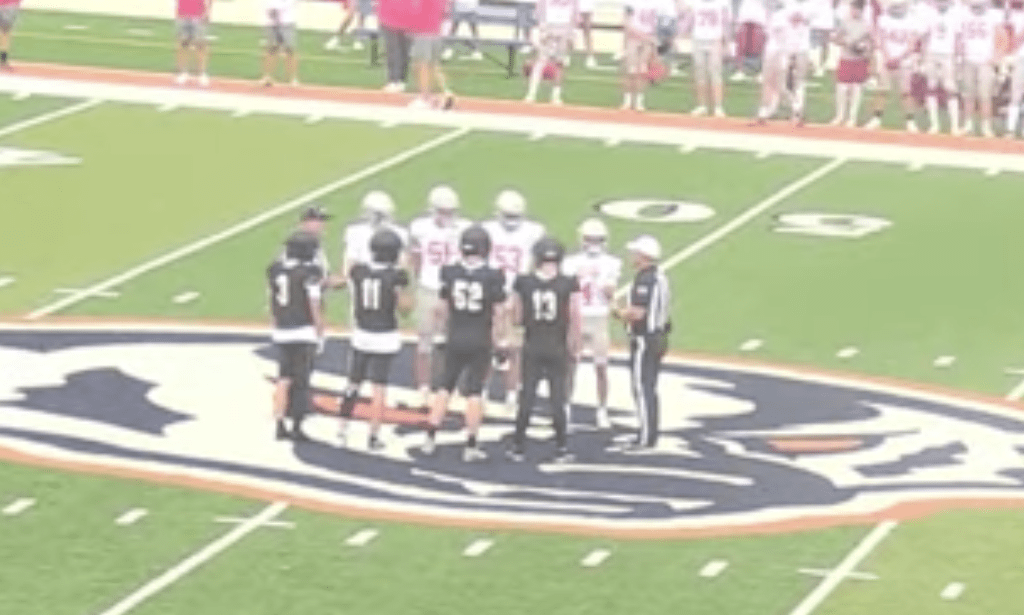
BYU's 2027 football recruiting class has reached 10 commitments as of July 2026, placing the Cougars 75th in national rankings and 15th within the Big 12. Despite a smaller volume of players compared to previous cycles, the program continues to secure high-rated talent, including four-star wide receiver Blake Wong.
Current Class Rankings and Talent
The current state of the 2027 class shows a significant difference in scale compared to last year's recruiting efforts. According to a June 28 report by Jeff Hansen of 247Sports, BYU has secured 10 players for the 2027 cycle, including standout four-star wide receiver Blake Wong from Norco, California, and four-star defensive lineman Jeremiah Williams from Tustin, California.
Recruit Quality and Power Four Offers
While the number of commitments is low, the quality of the recruits remains competitive. The class currently holds an average recruit rating of 86.89, which ranks sixth in the Big 12. This high average rating helps mitigate the lower ranking caused by the small class size. Most of the current commitments, with the exception of kicker James Thorley and Demichael Burks, carry multiple Power Four offers.
Three-Star Prospects and Roster Depth
The 2027 recruiting class includes several three-star prospects that bolster the roster's depth. The list of commitments features cornerback Ryan Wooten from New Jersey, linebacker/athlete Kamoni Adams from Georgia, defensive lineman Maa'imoa Havili from Salt Lake City, and athletes Jaxson Rex and Tytan DeJong.
Notable Additions and Recent Flips
Other notable additions to the class include running back Ezra Sanelivi from Nevada and cornerback Demichael Burks, who flipped from Fresno State. The roster also includes unrated kicker James Thorley, who committed on June 21, 20 26.
Recruiting Footprint and Target Availability
The disparity between the 2026 and 2027 cycles is largely attributed to a lack of available high-profile targets within BYU's traditional recruiting footprint. Jeff Hansen reported on June 28 that while the 2026 class was bolstered by local Utah talent and members of The Church of Jesus Christ of Latter-day Saints, the 2027 cycle has seen fewer such opportunities.
Specifically, the program missed out on several key targets who fit this profile, including Bode Sparrow, Jaxton Itaaehau, and Kamden Lopati. While BYU successfully landed Wong and Williams, the absence of other highly sought-after in-state or LDS players has made the path to a higher national ranking much narrower than it was during the 2026 cycle.
Several roster dynamics are influencing BYU's ability to expand its 2027 class. New NCAA age-based eligibility rules and a significant number of returning missionaries are expected to limit available scholarship spots.
A group of players, including Alai Kalaniuvalu, Austin Pay, McKay Madsen, Blake Bryce, and Taani Makasini, are all scheduled to return from missions prior to the next season. Additionally, several seniors may utilize new rules to compete for a fourth season, with names such as Raider Damuni, LJ Martin, Cade Uluauve, and Tiger Bachmeier cited as potential returnees.
The coaching staff's strategy appears to be one of selectivity rather than volume. Following missed opportunities for players like Isaiah Bertola, the program did not immediately rush to fill those gaps with additional offensive linemen. Instead, BYU has maintained its established evaluation process, focusing on players capable of moving the needle for the program.
Recent activity in June included a flurry of official visits and commitments. As noted by Jeff Hansen on June 27, the Cougars recently hosted the majority of their key targets and nearly all of their existing commitments to finalize summer visits.
As the summer dead period continues, BYU faces the challenge of climbing the Big 12 rankings. While the program currently sits near the bottom of the conference in terms of class size, the high rating of its existing commitments provides a foundation for future growth through the transfer portal and remaining recruiting cycles.