The Bureau of Land Management is coordinating with multiple agencies to fight a massive wildfire in Stockton that has burned between 1,000 and 2,000 acres, even as the agency faces renewed criticism over the return of cyanide-based predator traps to federal lands.
Details of Stockton wildfire growth
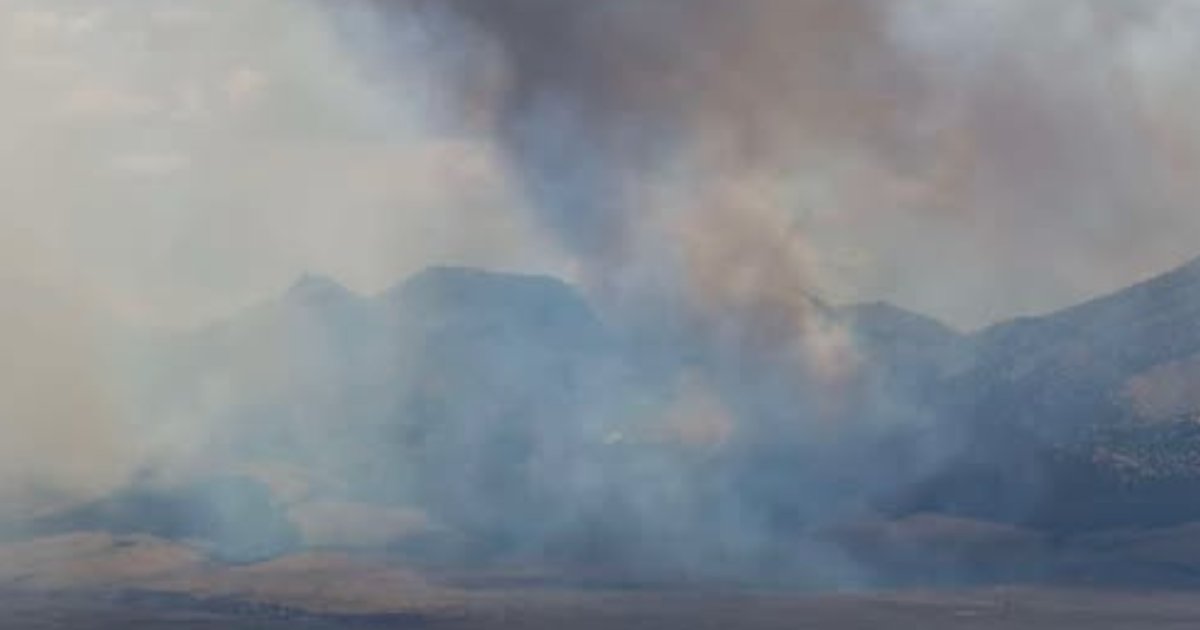
A wildland fire near South Mountain Road in Stockton grew rapidly on the night of June 8, 2026. According to reports from the North Tooele Fire District, the blaze initially burned approximately 200 acres by 9:44 p.m., but surged to over 1,000 acres overnight due to winds exceeding 50 miles per hour.
By 9:00 a.m. on June 9, the North Tooele Fire District reported the fire had expanded to burn between 1,000 and 2,000 acres with 0% containment. Firefighting resources on the scene include the Bureau of Land Management, Utah Division of Natural Resources, and crews from Stockton, Grantsville, Tooele City, and Tooele County.
Information on Droubay Road fire
A separate fire on Droubay Road burned 20 acres of open land on June 4, 2026. Jon Smith with the North Tooele Fire District stated the fire began near the intersection of Droubay and Foothill Drive during 90-degree temperatures and 10-mile-per-hour winds.
While the Bureau of Land Management assisted in containing the Droubay fire within 10 minutes of arrival, Smith noted that high heat and dry conditions increase the risk of human-caused fires. He advised residents to maintain at least 25 yards of defensible space between homes and trees to mitigate wildfire risks.
Controversy over M-44 cyanide traps
The Bureau of Land Management’s management of federal lands is also at the center of a controversy regarding M-44 cyanide bombs. On April 15, the Trump administration lifted a ban previously imposed by President Biden, allowing the U.S. Department of Agriculture’s Wildlife Services to once again deploy these spring-loaded devices on 245 million acres of BLM land.
Risks and legislative ban efforts
The M-44 devices use sodium cyanide to kill predators like coyotes and foxes. According to Moab Times reporting, wildlife advocates such as Predator Defense and Animal Wellness Action have called the move "insane" and "devastating," citing the danger the traps pose to non-target species, children, and domestic dogs.
Legislative efforts to permanently ban the devices continue through "Canyon’s Law," which seeks to prevent the use of M-44s on federal lands following a 2017 incident where a teenager was injured by a trap. Meanwhile, fire officials in Tooele County continue to warn the public that summer fire danger remains high.